
 Radio Apac
Radio Apac
Radio Apac
28 March 2026, 9:56 am
By, Daniel Odongo
Uganda’s nationwide tree-planting campaigns long promoted as a key strategy in the fight against climate change are facing growing scrutiny from environmental experts, who warn that the increasing reliance on fast-growing exotic species may undermine long-term ecological sustainability.
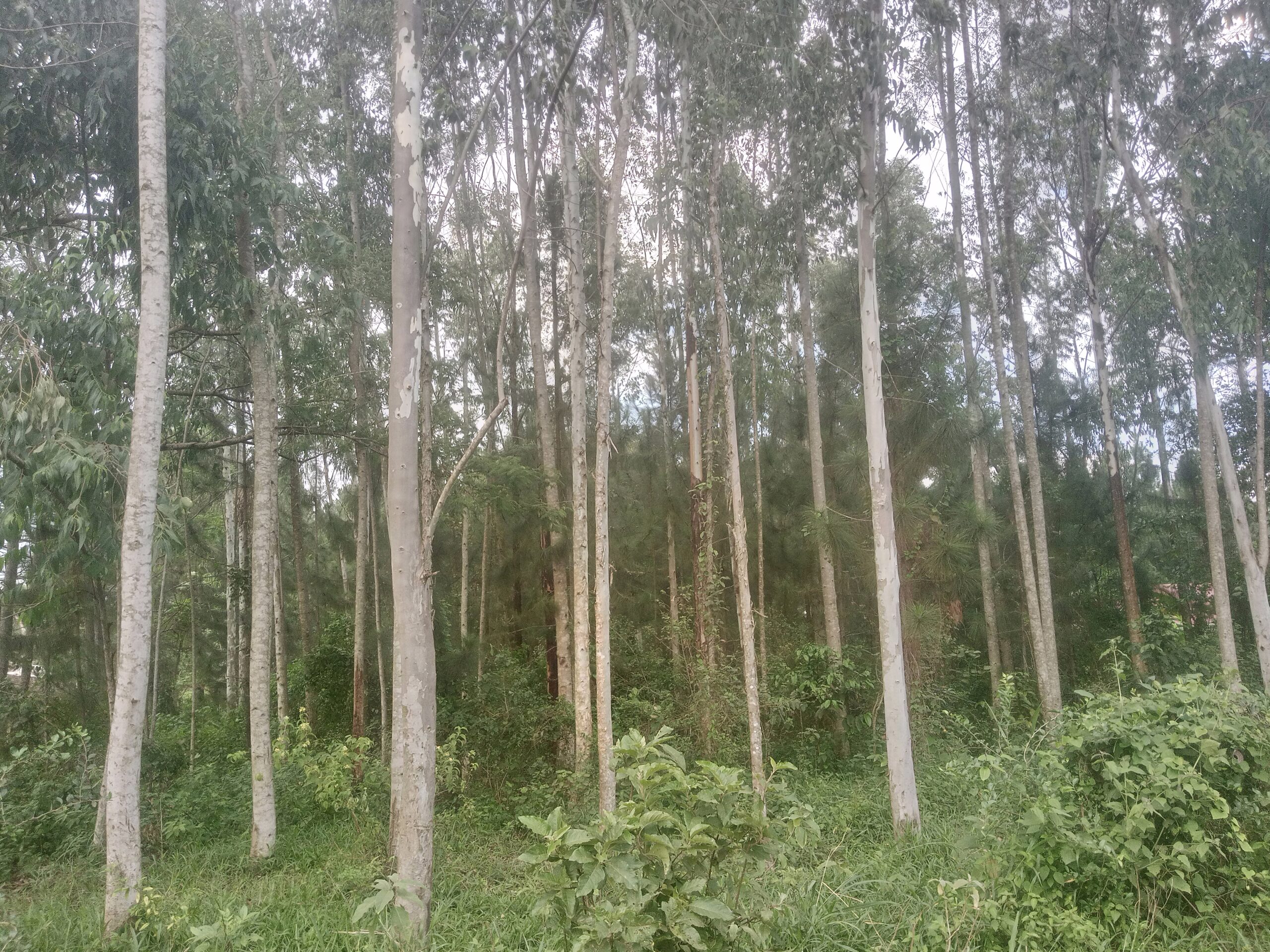
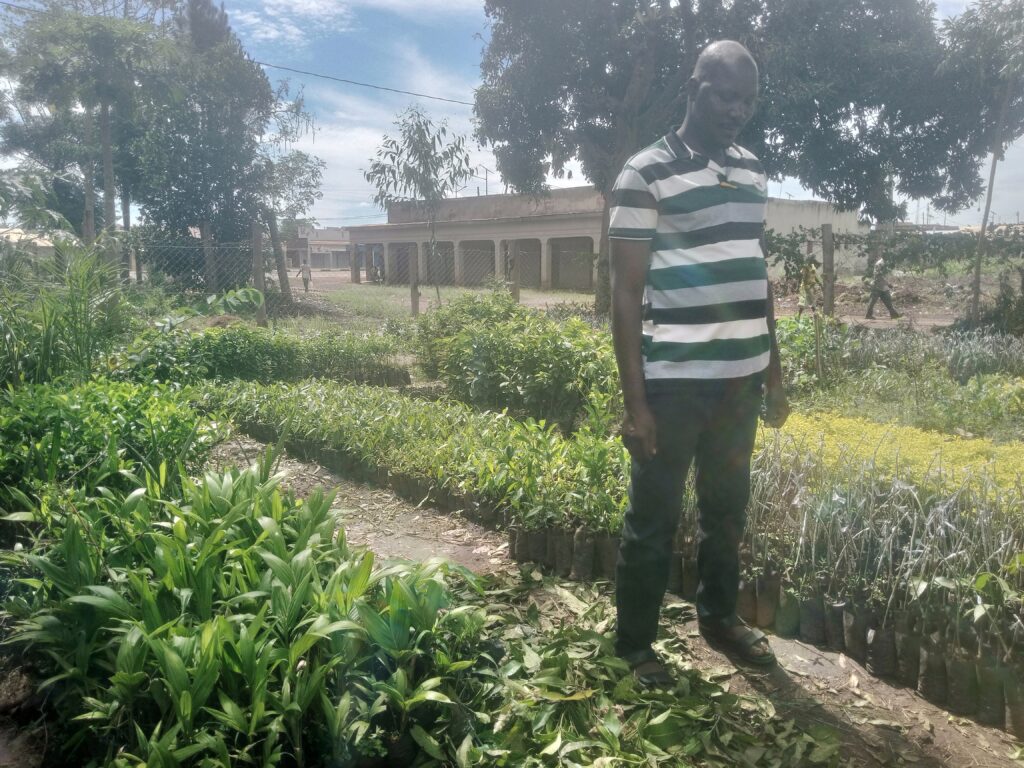
Across many parts of the country, tree nursery operators are prioritizing commercially attractive species such as eucalyptus and pine. Investigations in Apac District reveal that most nurseries predominantly stock exotic timber species, fruit trees, and ornamental plants, with very limited availability of indigenous tree species.
Nursery operators attribute this imbalance to low demand for native species and the technical challenges involved in propagating them.
At Tropical Quality Tree Nursery in Apac, for example, cashew seedlings were among the few species identified as having long-term climate mitigation value.
Denis Obete, a nursery operator, explains that farmers tend to prefer exotic species due to their rapid growth and quick financial returns, influencing what nursery owners choose to produce.
Apac District Environment Officer Harron Okullu describes the trend as an “environment–money mindset,” where economic gains are prioritized over ecological sustainability.
“Indigenous species play a critical role in maintaining soil fertility and supporting natural regeneration,” he said. “Unlike exotic species such as eucalyptus and pine, they allow other plants to grow beneath them and contribute to a healthier ecosystem.”
Environmental experts emphasize that indigenous trees are generally more effective for long-term carbon sequestration and ecosystem stability compared to exotic monocultures, which often provide short-term economic benefits at the expense of environmental health
Specialists warn that widespread planting of exotic species especially in sensitive ecosystems like wetlands can lead to serious ecological consequences, including water depletion, soil degradation, and biodiversity loss.
Research from organizations such as the Food and Agriculture Organization and academic institutions including Addis Ababa University highlights several risks associated with these species. Eucalyptus, for instance, is linked to high water consumption, soil nutrient depletion, suppression of nearby plant growth, increased erosion, and reduced biodiversity. Pine, on the other hand, is associated with soil acidification, disruption of nutrient cycles, increased fire risk, and biodiversity loss due to monoculture planting.
A forestry expert involved in the investigation described pine as one of the most environmentally harmful species currently being promoted, despite its popularity for timber production.
Apac District Forest Officer Ambrose Ocare noted that indigenous species are far more effective in climate mitigation.
He criticized the expansion of pine plantations, arguing that they contribute little to ecological balance and may even worsen environmental conditions.
He also cited limited research and policy focus on large scale plantations while ignoring indigenous species as key challenges, urging farmers to preserve native trees for both environmental protection and agricultural sustainability.
Farmers living near large plantations of exotic trees are already experiencing negative impacts. Many report declining yields of staple crops such as maize and beans.
Moses Neo, a farmer in Arocha Division, Apac Municipality, says his production has steadily dropped since nearby eucalyptus plantations matured. “My yields have gone down over time,” he said, attributing the decline to the presence of eucalyptus trees.
Like many others, Neo is calling on the government to introduce clear zoning policies to regulate where exotic species can be planted, in order to safeguard agricultural productivity and local ecosystems.
According to research conducted by Radio Apac FM, several factors continue to limit the promotion of indigenous species in Uganda, including limited technical knowledge on propagation, scarcity of indigenous seedlings, low market demand, preference for fast-growing high-return species, and insufficient research and policy support.
Experts argue that addressing these barriers will require targeted investment in research, nursery development, and public awareness campaigns.
Uganda is implementing frameworks such as the National Forestry and Tree Planting Act (2003) and is a signatory to the United Nations Framework Convention on Climate Change, which aims to limit global temperature rise to well below 2°C. However, experts warn that current large-scale plantation strategies largely centered on exotic species risk undermining these climate goals if not rebalanced.
Environmental specialists are now calling for increased promotion and distribution of indigenous tree species, protection of wetlands from inappropriate tree planting, clear land-use policies regulating exotic plantations, greater investment in research and technical capacity, and enhanced public awareness on long-term environmental impacts.
Ultimately, while tree planting remains a critical tool in addressing climate change, experts stress that the choice of species is crucial. Indigenous trees, they argue, offer a more sustainable pathway toward ecological restoration, improved agricultural productivity, and long-term climate resilience.