
 Radio Apac
Radio Apac
Radio Apac
28 March 2026, 6:18 pm
By Daniel Odongo
Residents living near a waste dumping site in Apac Municipality are demanding urgent government intervention, warning that poor waste management is escalating both public health risks and climate change impacts.
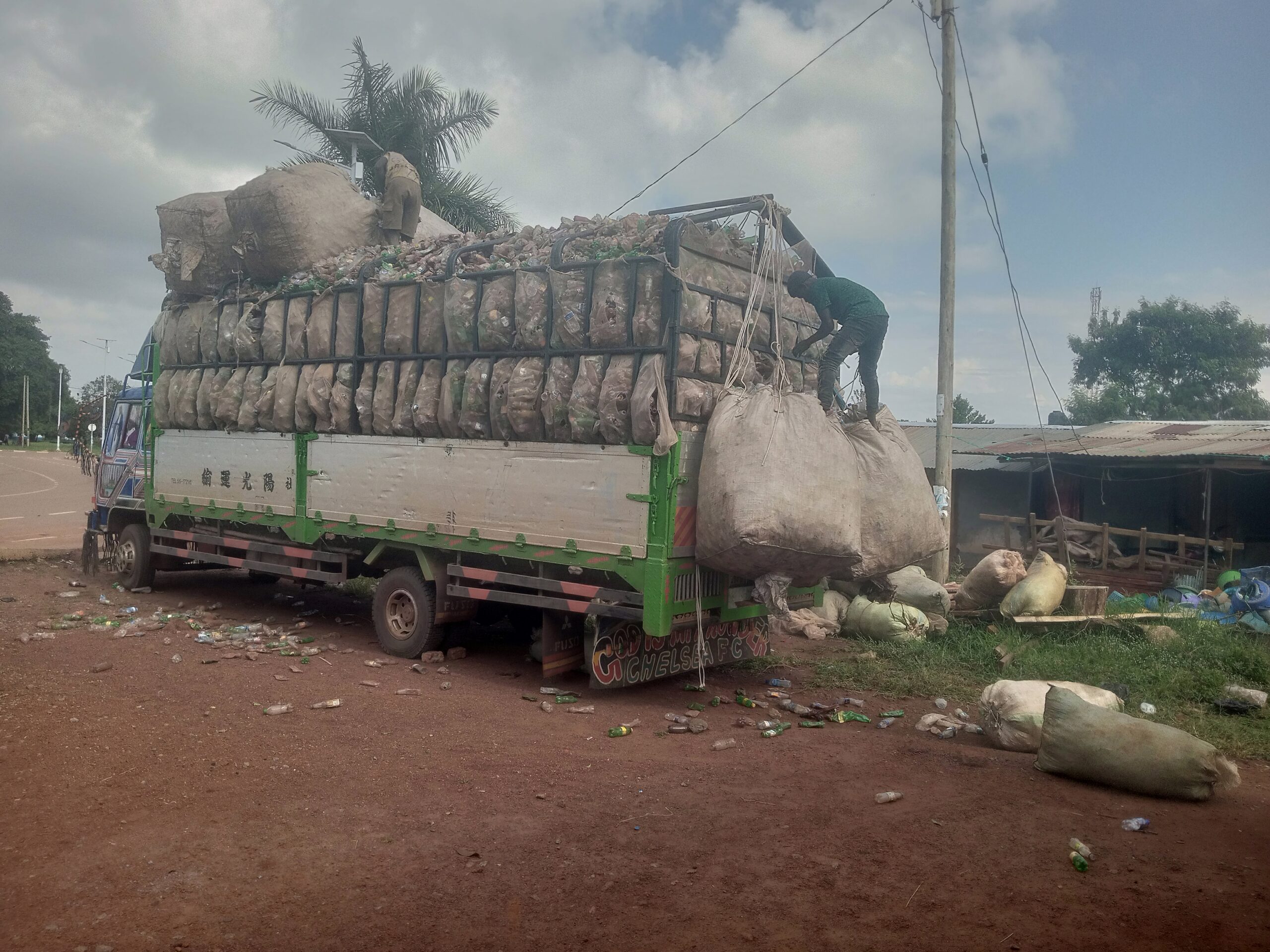
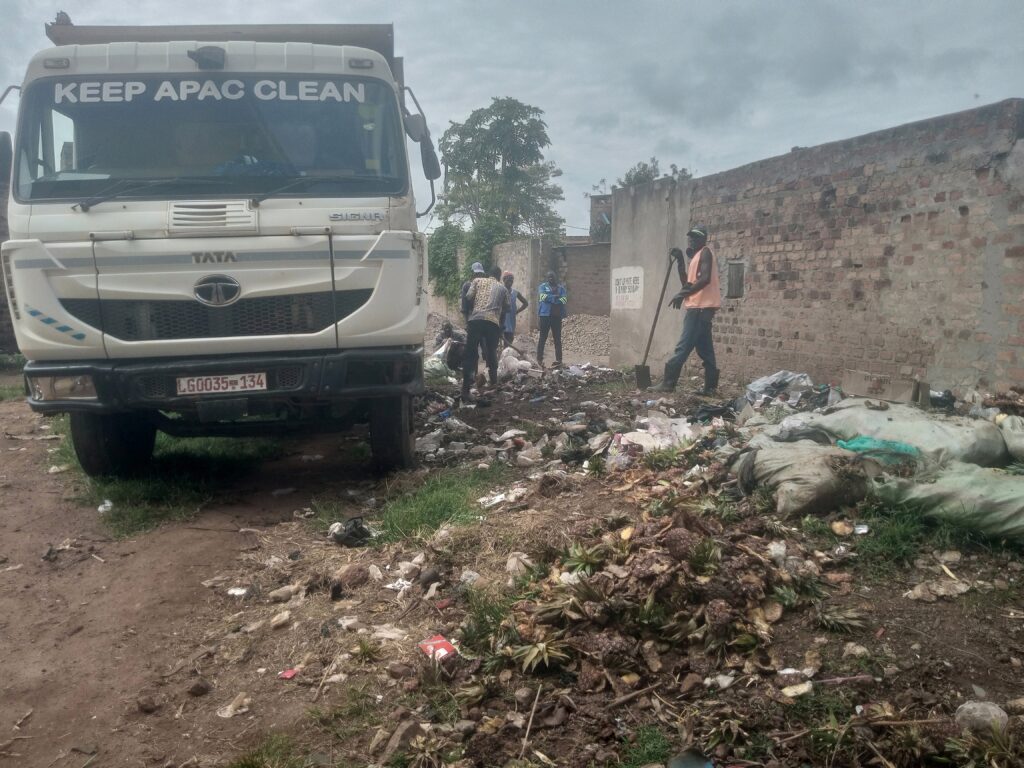
Like many urban centres across Uganda, Apac lacks a sanitary landfill and instead relies on an open dumpsite where biodegradable and non-biodegradable waste is mixed and frequently burnt.
Environmental experts say such practices significantly contribute to greenhouse gas emissions, particularly methane, while also exposing nearby communities to hazardous air pollutants.
A field assessment by Radio Apac FM in Akere Division revealed that residents are grappling with persistent smoke, foul odours, and rising health concerns linked to the site. The situation worsens during open burning, which residents describe as routine.
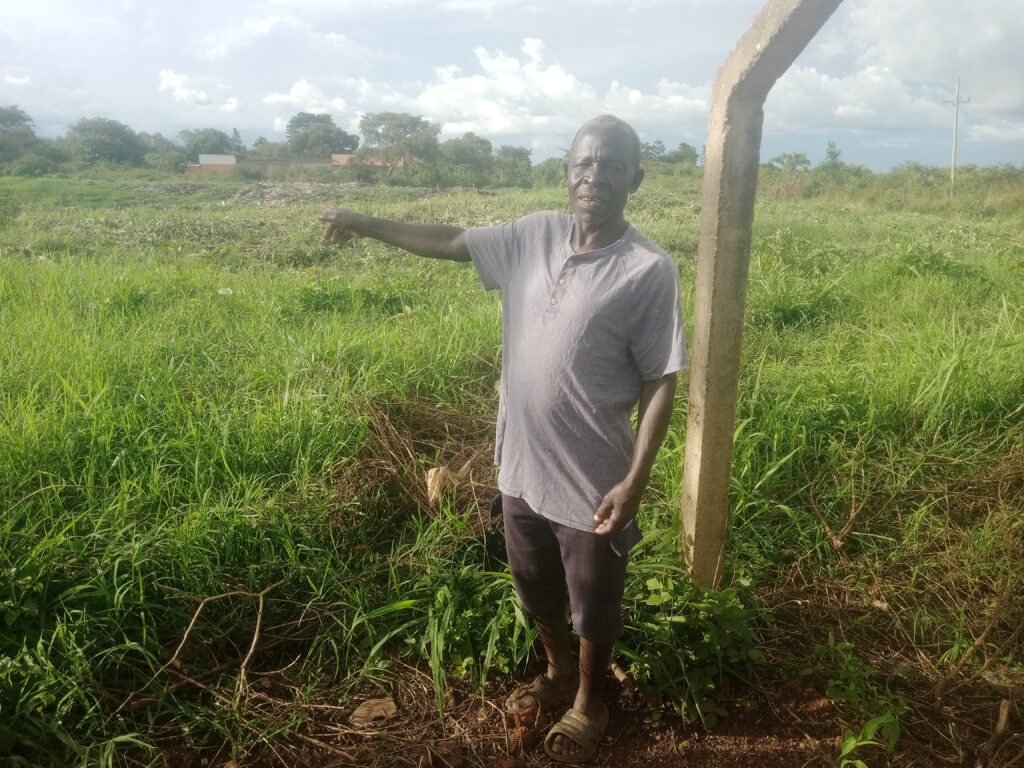
According to Richard Okello, a resident of Central Ward, the community is enduring unbearable living conditions.
He cited cases of injuries from improperly disposed hazardous waste, including medical materials, and recounted an incident in which a child was left permanently disabled after stepping on a discarded syringe.
Residents are now calling on authorities to urgently fence off the dumpsite and relocate it away from residential areas as a long-term solution.
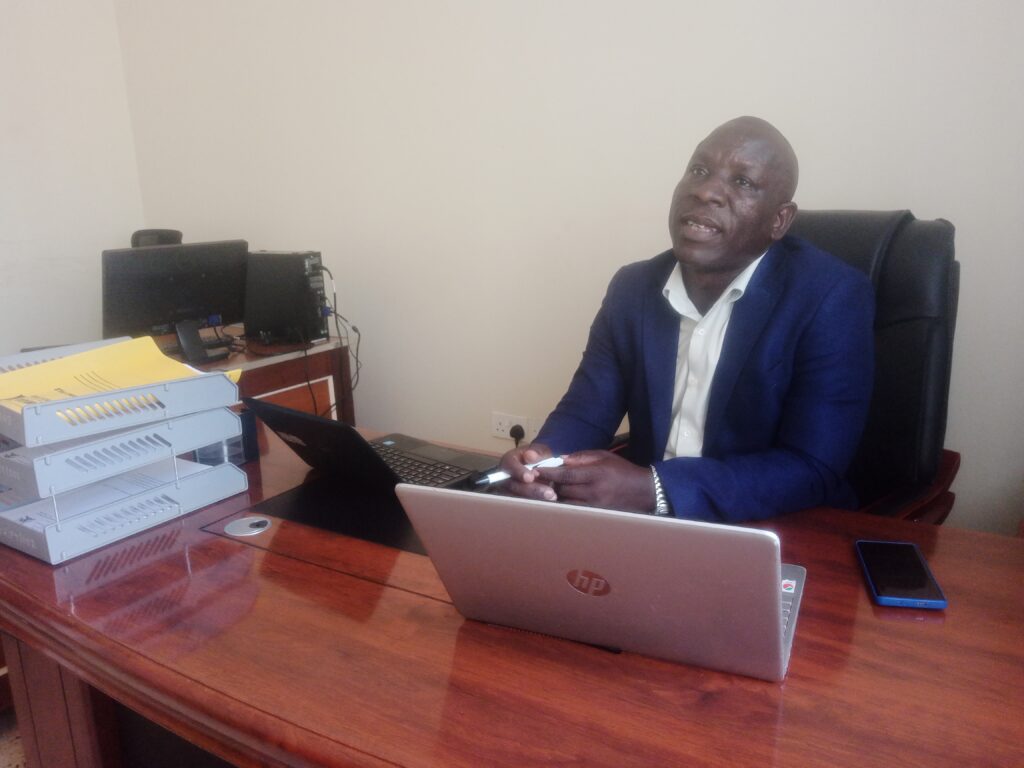
Apac Municipal Principal Health Inspector, Mr David Okeng, acknowledged the challenge, noting that the municipality generates predominantly organic waste, most of which ends up at the dumpsite.
District data from December 2025 show that households produce about 49.65 tonnes of waste daily, yet only 16 tonnes are collected. Non-household waste stands at 14 tonnes per day, with just six tonnes collected.
Municipal figures indicate that approximately 69.1 per cent of the waste disposed of is organic, while 11.9 per cent is left to decompose each month at a 0.2-acre site, with the remainder consisting of plastics, glass, textiles and other hazardous non-biodegradable materials.
Currently, Apac has no waste-to-energy systems in place and relies largely on open dumping, with about 19 per cent of waste incinerated. Environmental analysts warn that such practices not only waste potential energy resources but also intensify emissions.
At the national level, waste mismanagement is an emerging driver of climate change. Uganda’s 2022 Nationally Determined Contribution estimates that the waste sector contributes about 2.3 per cent of total greenhouse gas emissions, a figure that is rising annually.
In major cities such as Kampala, waste-related emissions are significantly higher, with some estimates attributing up to 28 per cent of total emissions to the sector.
Climate experts highlight that organic waste, which dominates Uganda’s waste stream, produces methane, a greenhouse gas far more potent than carbon dioxide at trapping heat.
Open burning further releases carbon dioxide, nitrous oxide and other pollutants, worsening air quality and contributing to respiratory illnesses and environmental degradation.
Researcher Adriana Gomez Sanabria and Carmen Marcos, the Programme and Project Officer at Strategy for Organic Waste Management, note that poor organic waste management in rapidly growing urban areas poses a serious and expanding climate threat.
Low recycling rates and limited composting infrastructure mean that large volumes of decomposable waste continue to accumulate, increasing emissions.
Local authorities say plans are underway to secure land for a modern landfill by next year. Mr Okeng also urged residents to adopt interim solutions, such as converting organic waste into animal feed, while the municipality develops long-term systems.
Despite existing legal frameworks, including the Public Health Act, Cap 281, and oversight by the National Environment Management Authority, enforcement remains inconsistent. Illegal dumping and poor waste segregation practices continue to undermine progress.
Uganda has also adopted key climate policies, including the Uganda Green Growth Development Strategy and the National Climate Change Act 2021, aimed at transitioning to low-carbon development. However, gaps in implementation at the local level persist.
As pressure mounts, residents and environmental advocates warn that, without immediate and sustained intervention, poor waste management in Apac could exacerbate both the public health crisis and the broader climate challenge.