
 LUO FM
LUO FM
LUO FM
30 April 2026, 8:33 pm
By Geoffrey Okwong
SOS Children’s Villages has announced a new strategy aimed at strengthening families and communities to care for vulnerable children instead of keeping them in institutional homes.
Speaking during a quarterly project review meeting held in partnership with ERIKS Development Partner at Kworo Guest House today, Brenda Adong, the Project Officer, explained that the organisation is gradually reintegrating children from SOS villages back into their families and communities.
Adong, who was representing the Area Programs Manager, said SOS Children’s Villages was originally founded to provide family-like care for children who had lost parental care. The initiative began by creating homes where caregivers acted as mothers to children without families.
She noted that the program has since expanded globally and currently operates in 146 countries, including Uganda where the organisation has five locations.
According to Adong, the organisation is now focusing more on family strengthening programs, which aim to support vulnerable families so they can care for their own children.
She explained that the program works with families that are at risk of losing parental care by empowering them economically and socially so children can remain within their communities instead of being taken to institutional homes.
Adong further revealed that under the new strategy, most children currently living in SOS villages will be reintegrated with relatives or foster families, while those without relatives may be placed under foster care within communities.
She added that by 2027, the organisation expects to have very few or no children living in SOS villages as the reintegration process continues.
Adong also called on members of the community who are interested in foster parenting to come forward and support children who do not have relatives to take care of them.
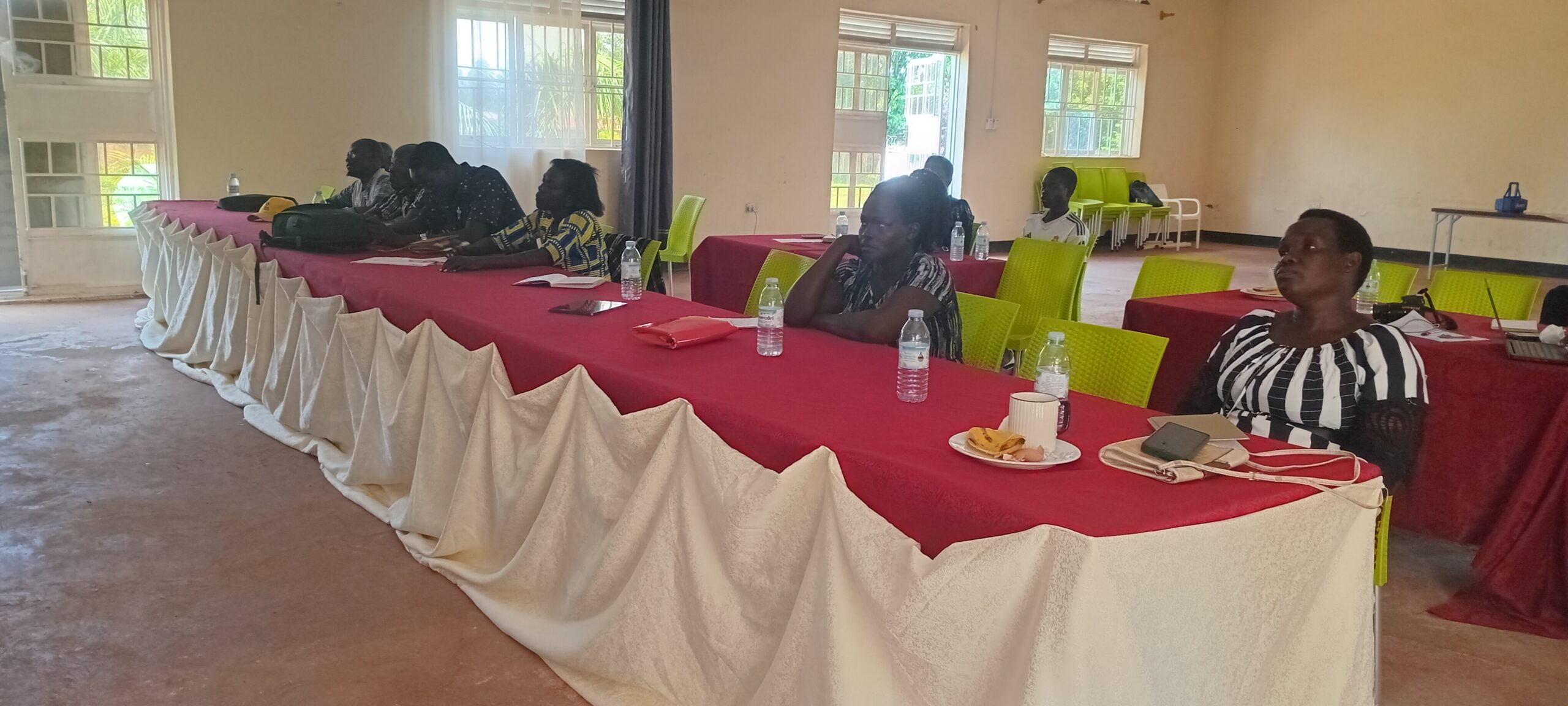
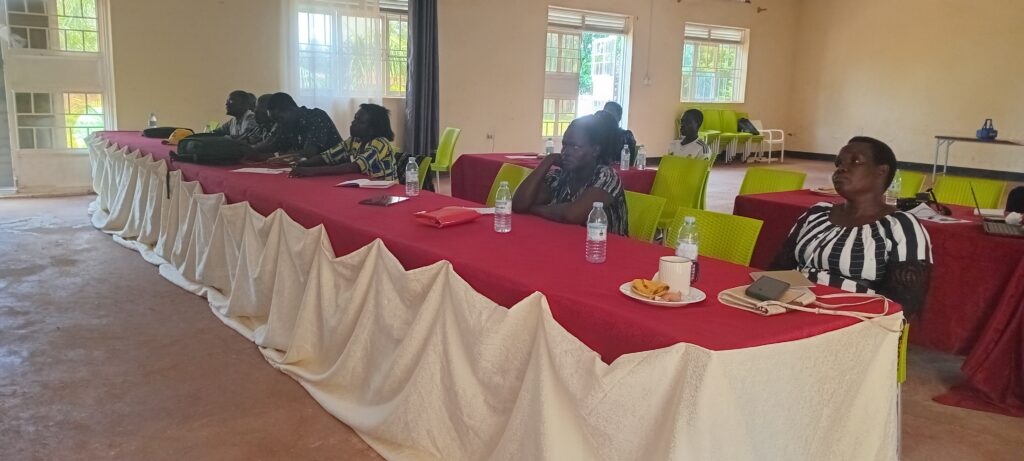
The remarks were made during a quarterly project review meeting, where stakeholders from the community and district leadership gathered to assess the progress of the project over the last three months.
Adong appreciated district and community leaders for supporting the implementation of activities, noting that collaboration has played a key role in the progress made so far.
However, she acknowledged some challenges, including delays in implementing certain planned activities and interruptions of school-based programs due to other school engagements.
Despite the challenges, she expressed optimism that the activities will be implemented in the coming quarter.
Meanwhile, Boniface Pule, the Assistant Resident District Commissioner of Pader District, called on community leaders and stakeholders to work collectively to address challenges affecting vulnerable children and families.
Pule made the remarks while closing the review meeting held at Kworo Guest House.
He commended the organisations for organising the review meeting and for their continued support towards improving the welfare of vulnerable children in the district.
Pule emphasised that tackling issues such as poverty, gender-based violence, and school dropout requires collective responsibility from all stakeholders, including community members, local leaders, and government institutions.
He noted that many challenges affecting families are linked to negative community mindsets and poor decision-making, urging leaders to intensify community sensitisation to promote responsible behavior.
The Assistant RDC also encouraged stakeholders to utilise existing government structures such as Local Council leaders and community protection committees to reach vulnerable families and support children in need.
According to Pule, collaboration between development partners, government agencies, and community leaders is essential to ensure that interventions targeting vulnerable families are sustainable.
He further assured stakeholders that the district leadership is ready to work closely with partners to strengthen programs aimed at improving the well-being of children and families in the district.
One of the beneficiaries of the education and skills training program, George Ojok Latigo, applauded SOS Children’s Villages for supporting young people in the community.
Ojok, a resident of Olam Parish in Pukor Subcounty, said he underwent a three-month training in mechanics under the program.
He explained that the skills he acquired have enabled him to start generating income, which he has used to buy a goat and sunflower seeds, with plans to plant sunflower during the current season.