
 LUO FM
LUO FM
LUO FM
4 May 2026, 6:05 pm
By Geoffrey Okwong
Stakeholders in Pader District have passed a series of resolutions aimed at addressing the rising cases of livestock theft, as well as regulating livestock movement and trade.
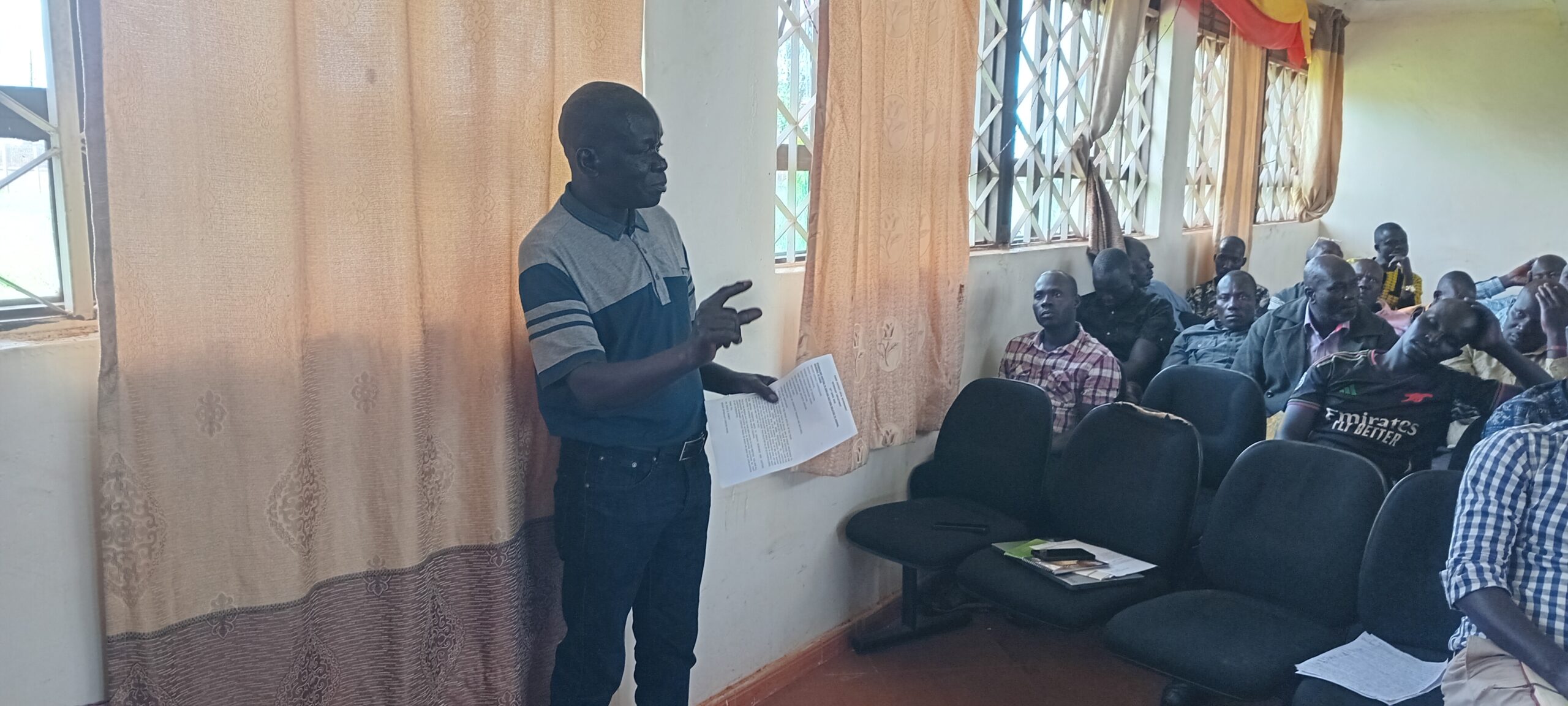
The resolutions were reached during a multi-stakeholder meeting that brought together security officials, veterinary officers, local leaders, and livestock traders to identify practical and long-term solutions to the persistent challenges affecting the sector.
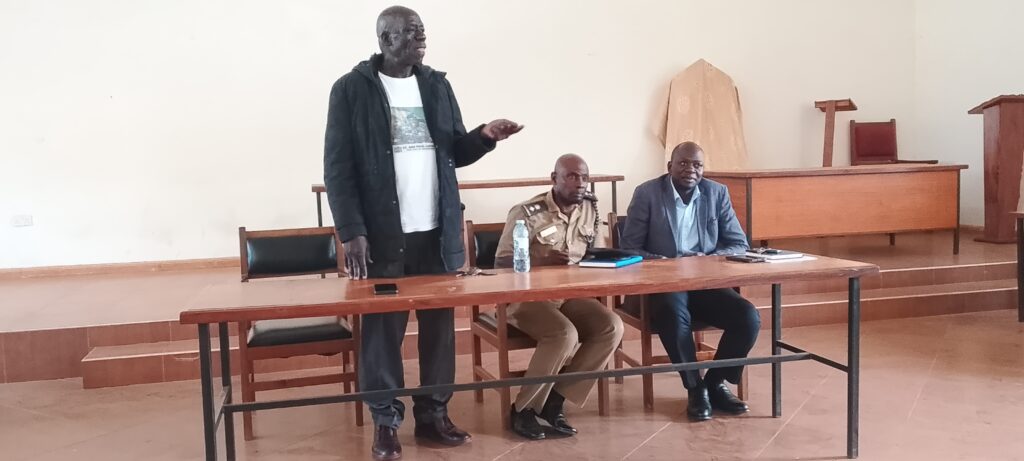
Reading the resolutions following extensive discussions, Jonathan Apuwae, the Officer in Charge of Station (OCS) at Central Police Station Pader, said LCIII chairpersons across all sub-counties should convene joint security meetings within their respective jurisdictions.
He also noted that joint security teams from the Uganda Police Force and the Uganda People’s Defence Force will, where necessary, establish animal checkpoints to help curb livestock theft across the district.
Among the key resolutions is the mandatory registration of all livestock traders operating within the district. Authorities said this will improve accountability and make it easier to track individuals involved in the livestock trade.
Stakeholders also agreed that all livestock markets, including the central market, must strictly adhere to animal health guidelines. Veterinary officers have been tasked with enforcing compliance to ensure that animals traded and slaughtered are safe for human consumption.
The meeting further emphasised the need for proper documentation of all livestock. Traders will now be required to obtain certification from LC1 chairpersons confirming the origin and ownership of animals before they are sold or transported.
In a bid to promote animal welfare and prevent the spread of disease, the practice of mixing animals from different sources without proper verification was discouraged. Officials warned that such practices increase the risk of theft and disease transmission.
Additionally, it was resolved that no animal should be slaughtered without prior inspection by a district veterinary officer. Any person found slaughtering animals without clearance will have their animals impounded and may face arrest.
To strengthen control over livestock movement, stakeholders directed that all animals being transported must have valid movement permits issued by veterinary authorities. These permits will only be issued upon presentation of proper documentation from local leaders.
The meeting also agreed that livestock transactions should be conducted in designated areas under the supervision of local leaders, veterinary officers, and inspectors to enhance transparency and reduce fraud.
Authorities warned that strict enforcement of these measures will be undertaken, and anyone found violating the regulations will face legal action.
The resolutions come at a time when Pader District has registered a growing number of livestock theft cases, raising concern among residents and leaders over the security of livelihoods.
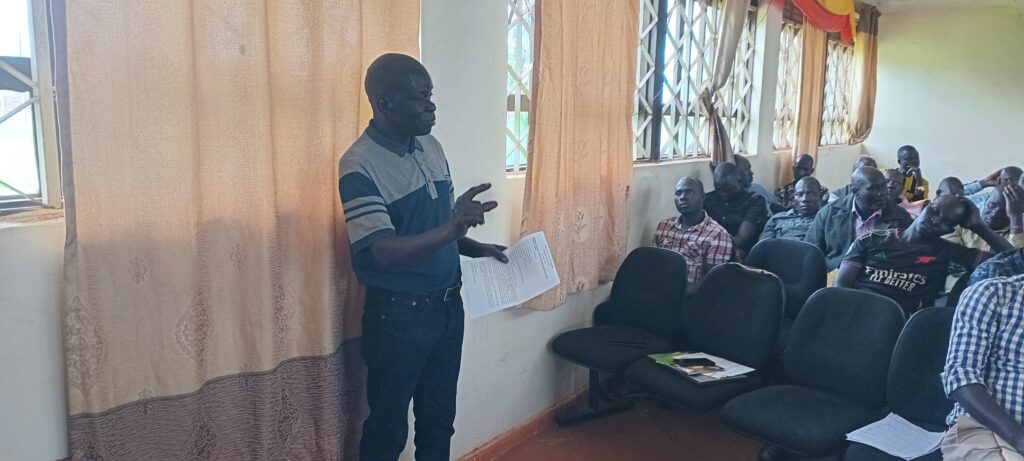
Dr Okeny Robert, the District Veterinary Officer of Pader, who attended the meeting, outlined the proper procedures for animal movement and livestock trade, emphasising compliance as a key step in curbing theft and the spread of disease.
Speaking during the meeting, Dr Okeny stressed that anyone intending to bring animals into the district must first seek clearance from his office.
He explained that livestock traders are required to obtain a letter of no objection before purchasing or transporting animals.
According to Dr Okeny, the process involves verifying whether the source district has any disease outbreaks, alongside ensuring that animals meet specific health requirements before transportation.
He warned that failure to obtain this document could lead to arrest, citing a recent case in which a trader was apprehended for lacking proper clearance.
Dr Okeny clarified that movement permits are officially issued under the authority of the Commissioner but are delegated to District Veterinary Officers.
He said the restriction is intended to help control fraud and illegal livestock movement.
The veterinary officer further emphasised that livestock trading is a regulated business that requires a valid licence.
He noted that only a few traders in the district currently hold valid licences and urged others to formalise their operations.
He added that licences are renewed annually and may be denied to individuals with a history of offences.
On resolving livestock ownership disputes, Dr Okeny Robert revealed that DNA testing is possible but extremely expensive.
“The cost can rise to 35 million shillings, which is far higher than the value of most animals,” he said.
He noted that such tests are rarely used due to their cost and complexity, advising communities to rely on simpler methods of identification and verification.
Dr Okeny urged all livestock traders and farmers to follow the established procedures to ensure proper regulation of the sector.
“These guidelines are not intended to hinder business, but to ensure safety, accountability, and disease control,” he added.
The meeting, which brought together security personnel, technical staff, local leaders, politicians, livestock traders, and butchers, aimed to identify practical and lasting solutions to livestock theft and irregular animal movement in Pader District.
Both leaders and technical officers emphasised the need for collective action, vigilance, and strict adherence to procedures to curb the vice.