
 Ssebo FM
Ssebo FM
Ssebo FM
26 March 2026, 6:59 am
By Ali Lukomo
In Buyende District, in the Busoga subregion, there are increasing signs of climate change being experienced in several areas.
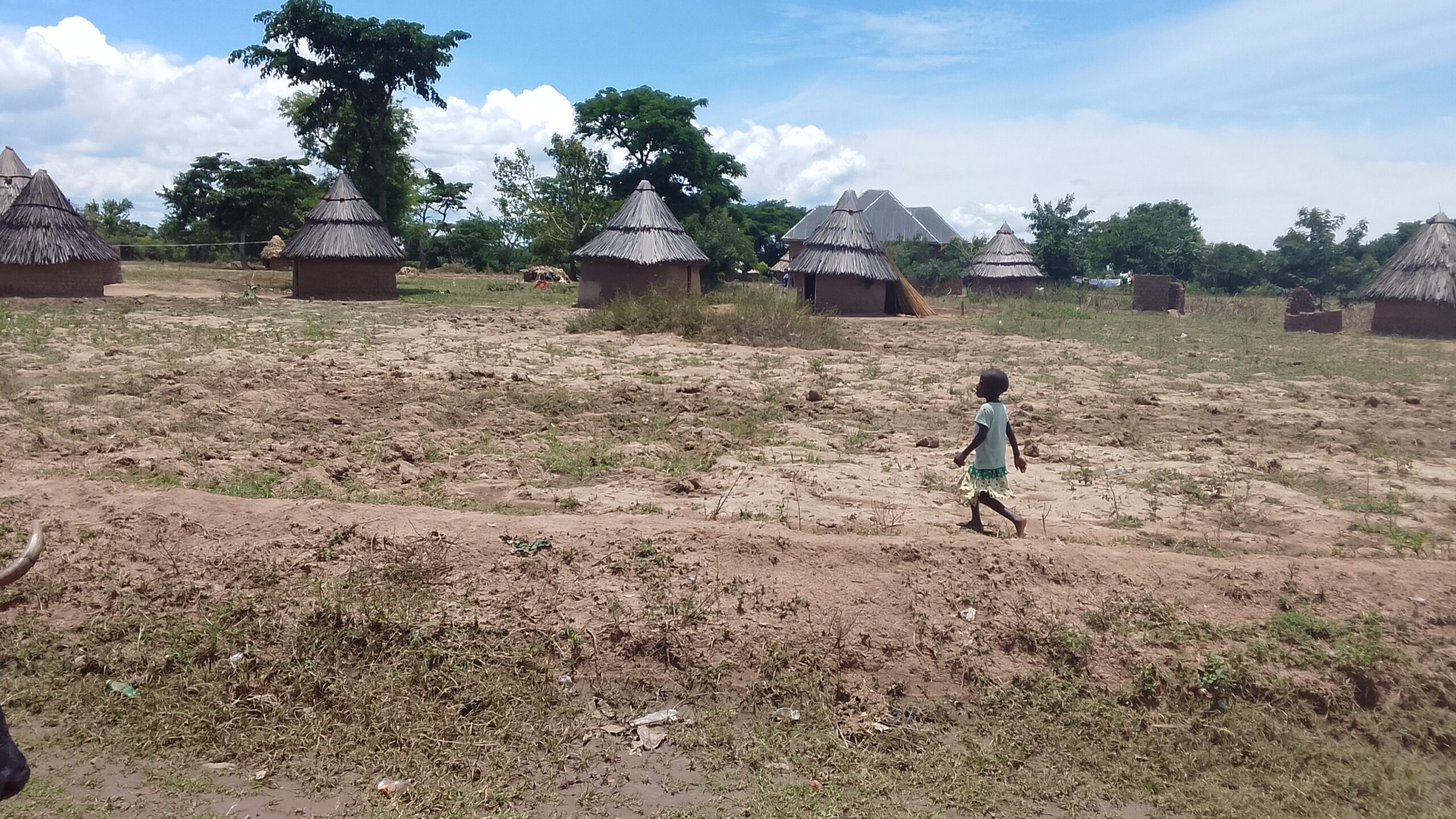
Gone are the days when, during the months of February to April, rainfall could be experienced across the country. Today, the situation is different in some parts of Uganda. A case study can be seen in the eastern region, especially in Busoga, where rainfall is expected between February and April, but areas along the shores of Lake Kyoga are currently dry.
At Kakooge Landing Site, the community says the last rainfall was experienced in December last year. Since then, they have only felt cold conditions accompanied by strong winds.
According to the area chairperson, Muzamiri Mugabi, the community has destroyed much of the green cover due to both settlement and farming. This followed government restrictions on fishing, which forced many residents to resort to farming, leading to widespread deforestation.
He notes that this practice has contributed to poor rainfall formation, as most of the trees have been cut down.
According to the Deputy Resident District Commissioner for Buyende District, Naikoli Mathias, the district is working hard to restore order on Lake Kyoga. He adds that efforts are being made to promote proper fishing methods and the sustainable use of wetlands surrounding the lake for better environmental management.
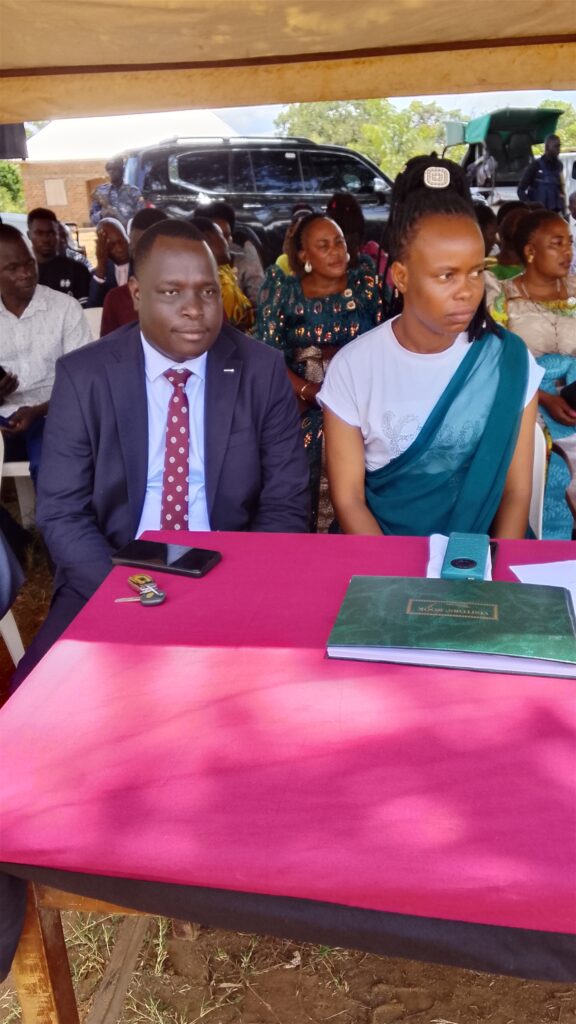
Speaking to the Buyende District Chairperson, Kanaku Michael emphasised the need to implement catch-and-release programs, regulate fishing seasons, and promote the use of eco-friendly fishing gear.
He further noted that community-led fishing cooperatives can help monitor and enforce these practices. He also encouraged engaging local communities in replanting native vegetation, removing invasive species, and establishing protected areas to maintain water quality and support biodiversity.
Residents are also encouraged to form groups to lead restoration efforts, receive training in sustainable practices, and partner with NGOs for support. Additionally, involving schools can help educate children about the importance of wetlands.