
 Unity FM Lira
Unity FM Lira
Unity FM Lira
6 May 2026, 10:20 pm
By Winnie Auma
Female change agents in Kole District are increasingly using their voices to drive social and economic transformation at community level.
This follows an initiative by Ama Cradle for Development (AMACOD), in partnership with Twaweza, under the Sauti za Wananchi project, which was launched five years ago to empower citizens to demand better services and development.
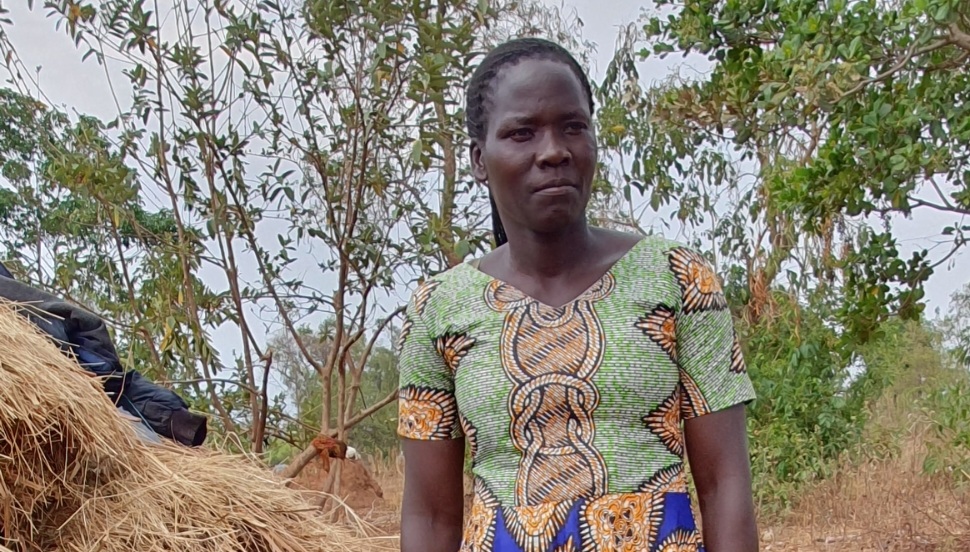
Jennifer Auma, a change agent from Abwal Village in Ootkwac Parish, Alito Sub-county, said the training equipped them with skills to mobilise communities, promote unity and push for solutions to local challenges.
Ms Auma explained that her role involves identifying community concerns and working closely with LC1 chairpersons to channel these issues to sub-county authorities for action. Matters beyond the sub-county are escalated to the district, with support from AMACOD to ensure follow-up. She noted that one of their major achievements has been the reduction of domestic violence in her area.
The community introduced a fine of 50,000 shillings for offenders, a move that has significantly discouraged the vice.
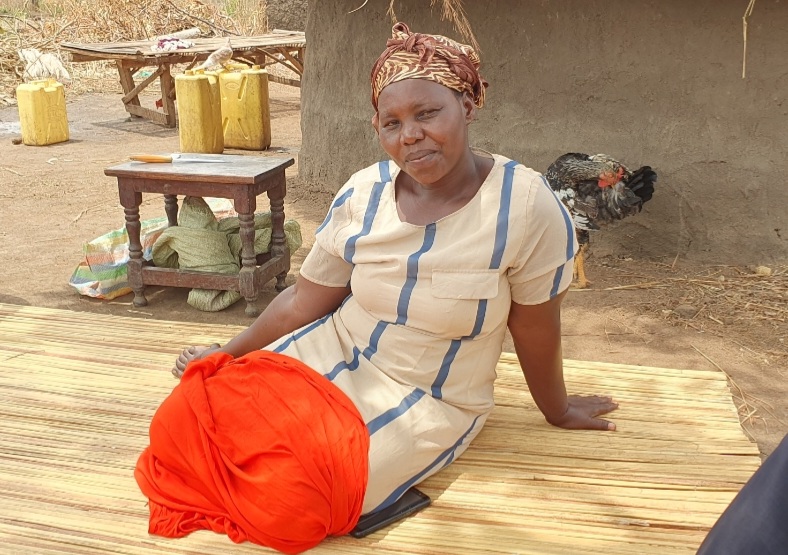
In Okwerodot Sub-county, Caroline Adongo Oyet, a change agent from Amiabil Village in Lwala Parish, said community advocacy led to the construction of Lwala Health Centre III last year.
Ms Adongo explained that the facility has reduced reliance on traditional birth attendants and cut the cost and distance of accessing medical care, improving maternal health outcomes in the area.
She added that the initiative has also changed community attitudes, with residents now actively participating in maintaining feeder roads and ensuring clean water sources—roles they previously left entirely to government.
Meanwhile, in Aboke Town Council, Vicky Akello from Akaidebe B Village said the programme has contributed to a decline in youth-related crime.
Ms Akello noted that many young people have shifted from theft to income-generating activities such as bricklaying and farming, following community sensitisation.
She also highlighted the successful lobbying for the construction of the Akaidebe B–Teilwa road linking Kole and Oyam districts, which has boosted trade and improved transport for local residents.
However, challenges remain. According to recent statistics from Twaweza, 17 per cent of women in Northern Uganda still experience domestic violence.
The report further indicates that 14 per cent of women in the Lango sub-region report living without domestic conflict, while 26 per cent believe violence could occur, and 34 per cent say they have heard about such cases within their communities.