
 Rapa FM Pader
Rapa FM Pader
Rapa FM Pader
10 December 2025, 11:04
By Ekel Bonny Daniel
A life-changing health intervention is underway in Pader District and across the Acholi Sub-region, as numerous patients living with hydrocele and elephantiasis receive free medical care, thanks to a partnership between Sightsavers and the Ministry of Health.
The initiative aims to eliminate Lymphatic Filariasis (LF), a neglected tropical disease transmitted by mosquitoes that often results in severe disability, social stigma, and lifelong pain.
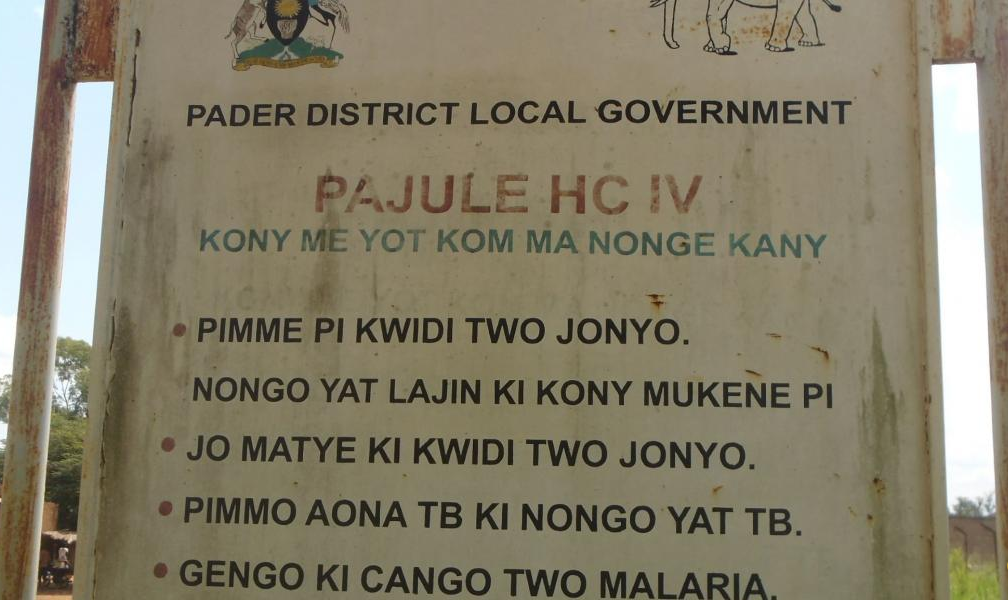
At Pajule Health Centre IV, a team of trained surgeons performs hydrocele operations every Tuesday and Friday at no cost to patients.
The only responsibility for patients is to arrange their own transport to the health facility and provide their own meals during recovery.
Okidi Danish Opira, the District Vector Control Officer and NTD Focal Point Person in Pader, explained that the project has trained medical personnel and community volunteers in lymphoedema care and surgical procedures across ten districts.
He emphasised that while the surgeries are provided free of charge, patients are responsible for their transport and meals during treatment.
According to health records collected by Village Health Teams, the region has 163 cases of lymphoedema and 269 suspected hydrocele cases, with 254 confirmed hydrocele diagnoses.
Despite these figures, many affected individuals remain hidden due to fear and stigma.
One beneficiary, Odwar Michel from Atanga Sub-county, described how the free surgical intervention at Pajule Health Centre IV relieved his long-standing pain and restored his quality of life.
Odwar, who attended surgery with seven friends, urged others to seek treatment without fear, praising the medical team for their support.
“At first, I feared I would lose my ability as a man, but after the surgery, I feel very well. I can enjoy life normally, and my friends are also doing well. I encourage anyone with this condition to come forward and receive free treatment,” he said.
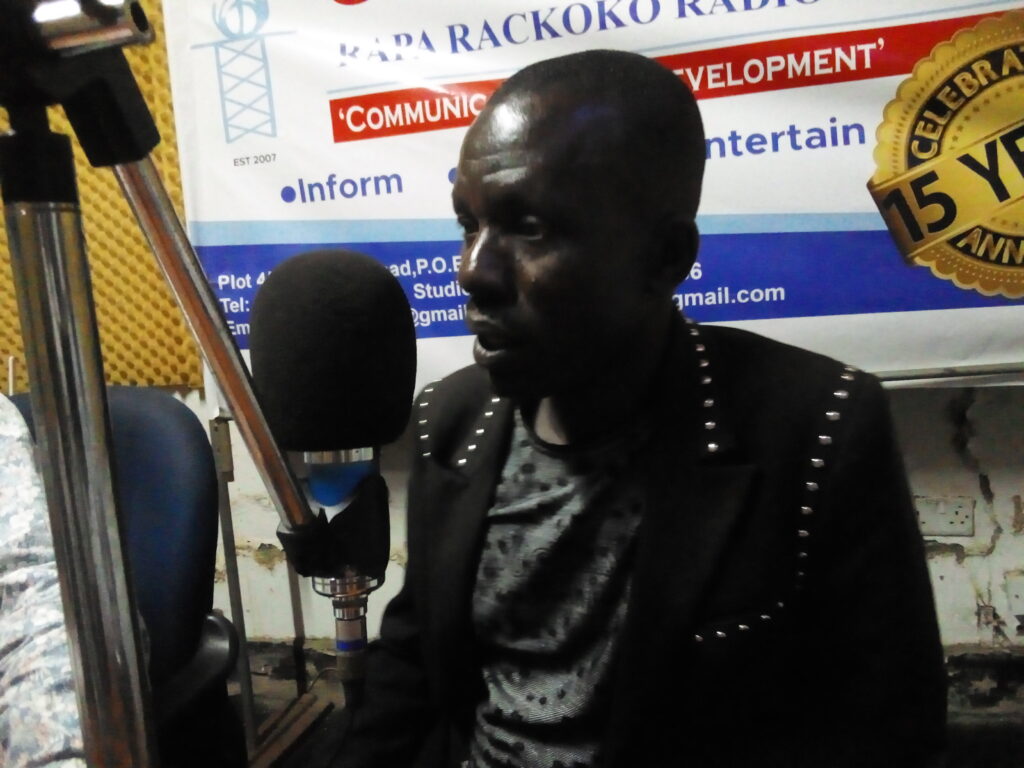
Lead surgeon Dr Tolit Given emphasised the importance of early intervention, warning that untreated hydrocele can lead to serious complications, including infertility.
Surgeries are carried out twice weekly, with up to five patients operated on each day, and most recover within three days.
He added that so far 27 patients have undergone surgery from the sub-counties of Laguti, Puranga, Lapul, and Pajule.
“Many men delay surgery because they believe hydrocele does not cause pain. However, untreated cases can lead to complications, including infertility,” he said.
District Health Educator Pauel Oola Komakech noted that the symptoms of LF often take five to ten years to appear following infection.
He recalled a similar campaign in 2018, during which over 350 surgeries were successfully completed, but stressed that new cases continue to emerge, highlighting the ongoing need for intervention.
Ocen Justine, Pader District Secretary for Health and Vice-Chairperson of the District, praised Sightsavers for their continued support.
He urged individuals suffering from hydrocele or elephantiasis to come forward for treatment and called on communities to dispel the myths and stigma surrounding the disease.
This €1.5 million (approximately 7 billion Ugandan Shillings) three-year project covers eight districts in Acholi and two in Teso.
It aims to conduct around 2,000 hydrocele surgeries, train thousands in lymphoedema care, establish surgical teams, and carry out awareness campaigns to combat misinformation, including harmful beliefs linking the disease to witchcraft.
Through these efforts, affected communities in Acholi are regaining their health, dignity, and hope for a future free from the burden of neglected tropical diseases.