
 Rapa FM Pader
Rapa FM Pader
Rapa FM Pader
22 December 2025, 15:31
By Ekel Bonny Daniel
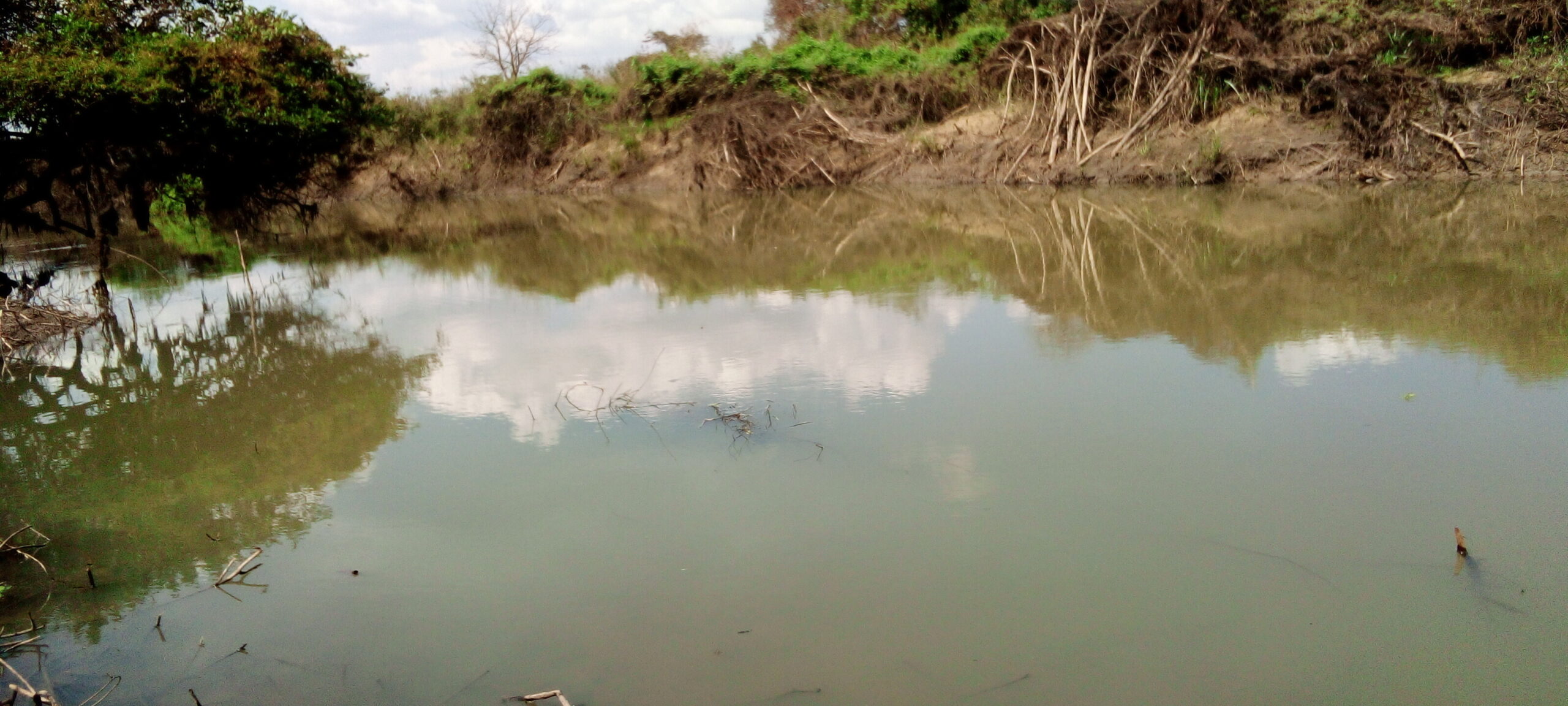
Communities living along the Agago River in Oywelo Mon Village, Alim Parish, Lapul Sub-county Pader District are raising alarm over unusual and frightening changes in the river that sustains their lives and livelihoods.
Residents report widespread fish injuries, unexplained deaths, and abnormal behavior among aquatic organisms signs they fear may point to water contamination or poisoning.
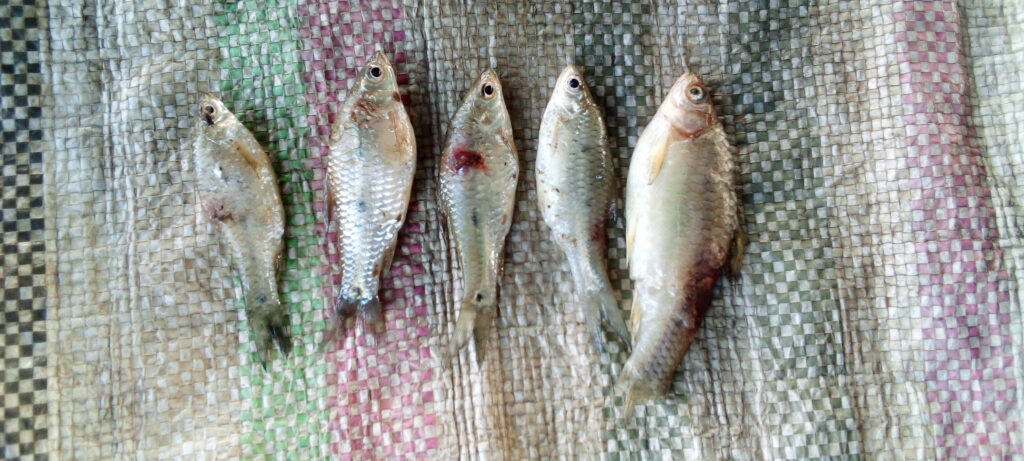
Residents such as Kikoya Kenneth Oywelo, a local villager, say that regardless of the fishing method used hooks, nets, or other traditional techniques fish are emerging from the river already injured.
Some are found dead, while others carry a strong, unpleasant smell. This has never happened before and has sparked deep concern about the safety of the water for human consumption and livestock use.
Fishing is a major source of food and income in Oywelo Mon Village. Families depend on daily catches from Agago River not only for household meals but also for local trade.
The sudden change in fish quality has disrupted this delicate balance. Fishermen report that the injuries appear to originate from within the water itself, not from handling or fishing gear, raising suspicions of a harmful substance in the river.
Residents have also observed that some aquatic animals are forcing themselves out of the water, behavior commonly associated with low oxygen levels or toxic contamination.
This has intensified fears that the problem may not be limited to fish alone but could affect the entire ecosystem and those who depend on it.
Women in the community, like Akello Nighty, express growing unease. She notes the fish look strange and worries about the safety of feeding them to children.
Parents fear potential health effects if contaminated fish are consumed over time.
Local leaders and fishermen describe visible physical damage on the fish, including patches where scales appear stripped off and areas emitting a foul smell.
Ocan Richard, a local fisherman and LCI Committee member, explains that some fish have missing scales and bad odors on affected parts.
Although some residents say they have eaten the fish without immediate illness, environmental experts warn that this does not guarantee safety.
Exposure to toxins can have delayed or cumulative health effects only apparent after prolonged consumption.
An expert Olara Boniface Ojara, suspects water poisoning but warns against eating fish that died naturally or show injuries.
He cautions that poison in water can pass through fish to humans, potentially causing health problems later.
Other experts, like Tyan John, former Fisheries Officer for Pader District, suggest the problem may not be poisoning but rather parasitic infestation in the water.
He explains that if poisoning were the cause, fish would likely die rapidly and in large numbers, whereas parasites cause injuries and stress without immediate mass deaths.
District authorities have taken the reports seriously. Mr. Seydou Opoka Adolatona, Pader District Agricultural and Production Officer, confirmed that fisheries officers have been deployed to collect water and fish samples for laboratory testing.
While the exact cause is not yet confirmed, the district cannot rule out poisoning given the pattern of fish injuries, deaths, and abnormal aquatic animal behavior.
The environmental degradation of rivers in rural northern Uganda often goes unnoticed until livelihoods are threatened.
The unfolding situation along Agago River highlights how vulnerable communities are to pollution or ecological imbalances, whether accidental or deliberate.
If contamination or parasitic infection is confirmed, it could have far-reaching consequences for food security, public health, and trust in natural resources in Pader District.
As residents await test results, many are calling for urgent transparency, community awareness, and stronger protection of water sources.
For Oywelo Mon Village, the river is more than just water it is survival. Any threat to its safety is a threat to the community itself, underscoring the urgent need for swift investigation and decisive action to prevent irreversible environmental and human harm.