
 Rapa FM Pader
Rapa FM Pader
Rapa FM Pader
29 December 2025, 16:26
By Ekel Bonny Daniel
As the dry season intensifies in Pader District, authorities are warning residents about the dangers of bush burning.
Traditionally used to clear land for farming, hunting, or regenerating grazing fields, bush burning is expected to increase during this period.
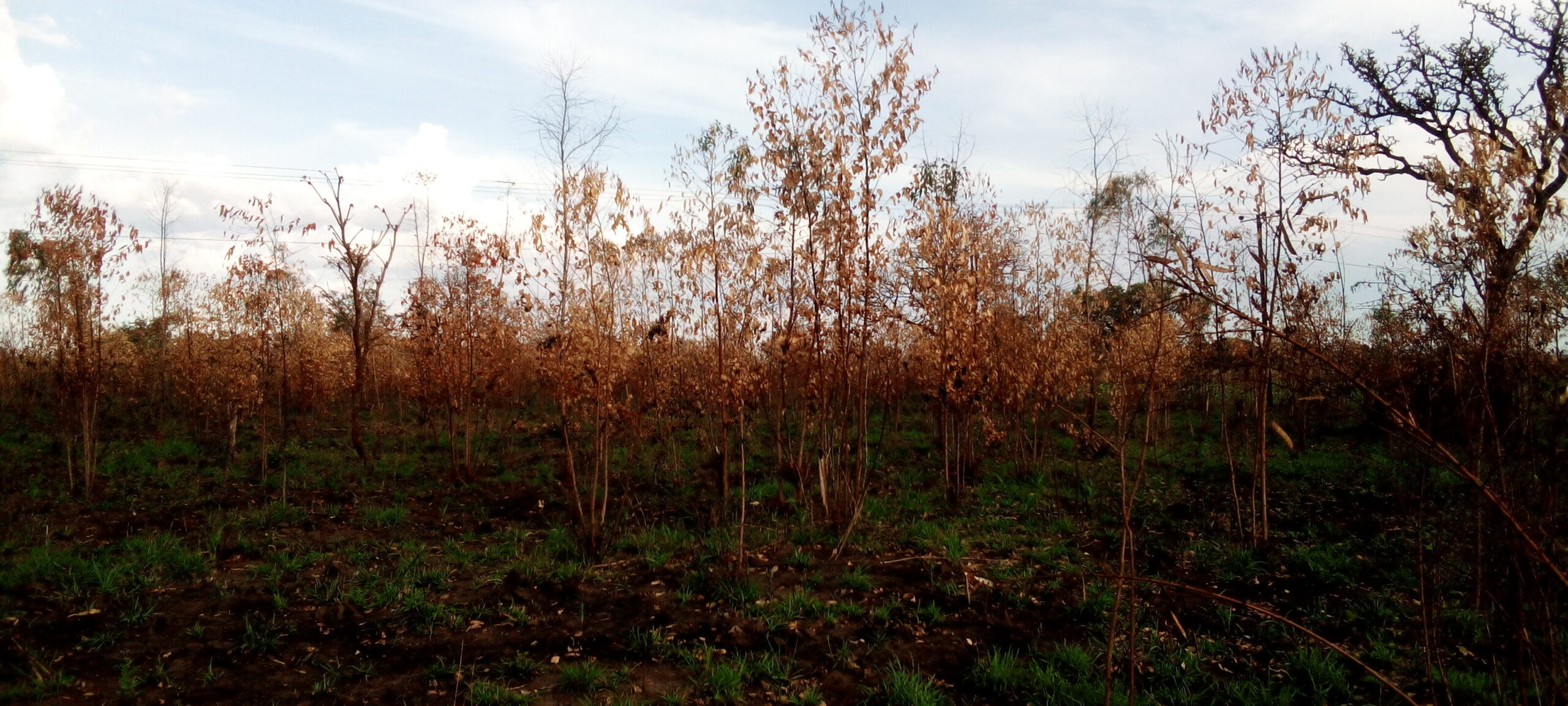
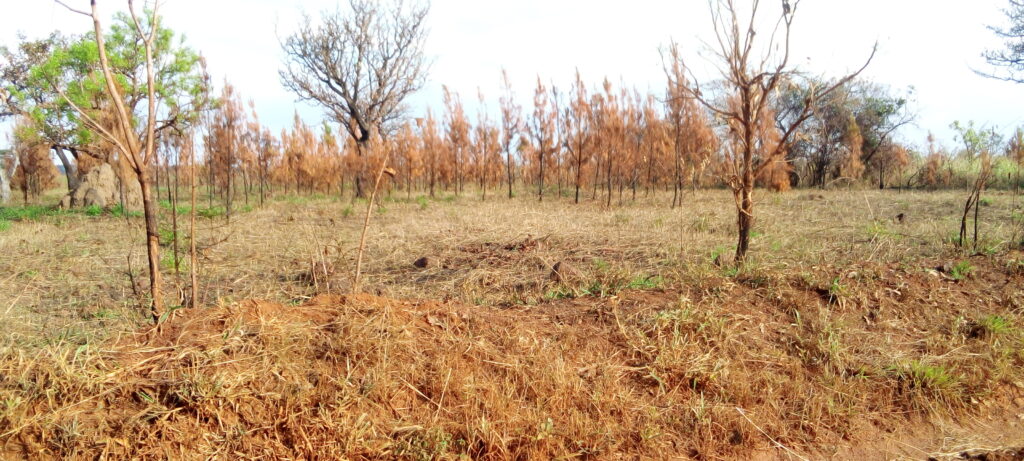
However, local leaders, health officials, and cultural authorities caution that uncontrolled fires could have devastating consequences for communities, agriculture, and the environment.
Odongkara Danish, a resident of Oyeyeng Village, Ogom Parish, and the Local Council I Chairperson, explained that while bush burning is common, the frequency and scale of fires have increased compared with previous years.
“Some people burn land for farming, others for hunting, and some to prepare grazing areas for livestock. However, uncontrolled fires are destroying soil fertility, killing essential soil organisms, and reducing crop yields,” he noted.
Farmers are particularly affected, as seedlings often fail to survive in burnt areas, posing a threat to food security during the dry season.
Akello Irene, Youth Leader of Ogom Sub-county, highlighted the impact on women. Bush burning may clear grazing land and save time when collecting firewood, but it also destroys second-season crops, grass used for building traditional thatched houses, and, in extreme cases, entire homes.
She noted that community sensitisation efforts by local leaders are beginning to reduce reckless burning but cautioned that vigilance is needed throughout this season.
Paul Oola Komakech, Pader District Health Educator and In-Charge of Pader Health Centre III, explained that smoke from bush fires releases fine particulate matter (PM2.5) and toxic gases.
“Short-term exposure can cause coughing, itchy eyes, sore throats, and exacerbate asthma and heart conditions. Long-term exposure increases the risk of lung cancer, strokes, heart disease, and cognitive impairment, while also affecting fetal development,” he warned.
Children, the elderly, and people with pre-existing conditions are particularly vulnerable.
Even household fires using firewood contribute to air pollution, emphasising the importance of using well-dried wood and ensuring proper kitchen ventilation.
Mr Martine Okello, Pader District Forest Officer, stated that bush burning destroys wildlife habitats, kills animals such as rodents, snakes, and insects, degrades soil, increases erosion, and reduces water retention.
Indigenous trees, including the shea nut tree, are also damaged, affecting flowering and regeneration.
Fires also contribute to greenhouse gas emissions, exacerbating climate change and causing unpredictable weather in the district.
To prevent disasters, Pader District has established a fire management unit and plans to implement village-level committees.
Bush burning is a punishable offence under Ugandan law, and offenders risk fines or imprisonment.
Sensitisation campaigns are being conducted at public gatherings to educate residents about the dangers of uncontrolled fires and the legal consequences of environmental destruction.
John Peko Lugai II, the Palwo Clan Chief and Chairperson of all Clan Chiefs in Pader, reminded residents that Acholi traditions never permitted indiscriminate fires.
Historically, bush burning was carried out carefully after harvest to protect homes or prepare grazing land.
Today, reckless burning contributes to rising temperatures, reduced rainfall, and environmental degradation.
Traditional sanctions exist for those who violate these norms, highlighting the seriousness of uncontrolled fires.
As the dry season continues, residents of Pader District are urged to exercise extreme caution.
Authorities, cultural leaders, and health experts all emphasise that fires must be managed responsibly to protect homes, crops, wildlife, and human health.
Uncontrolled bush burning is no longer a minor concern; it is a threat to the district’s environment, livelihoods, and future generations.