
 Rapa FM Pader
Rapa FM Pader
Rapa FM Pader
7 January 2026, 07:26
By Ekel Bonny Daniel
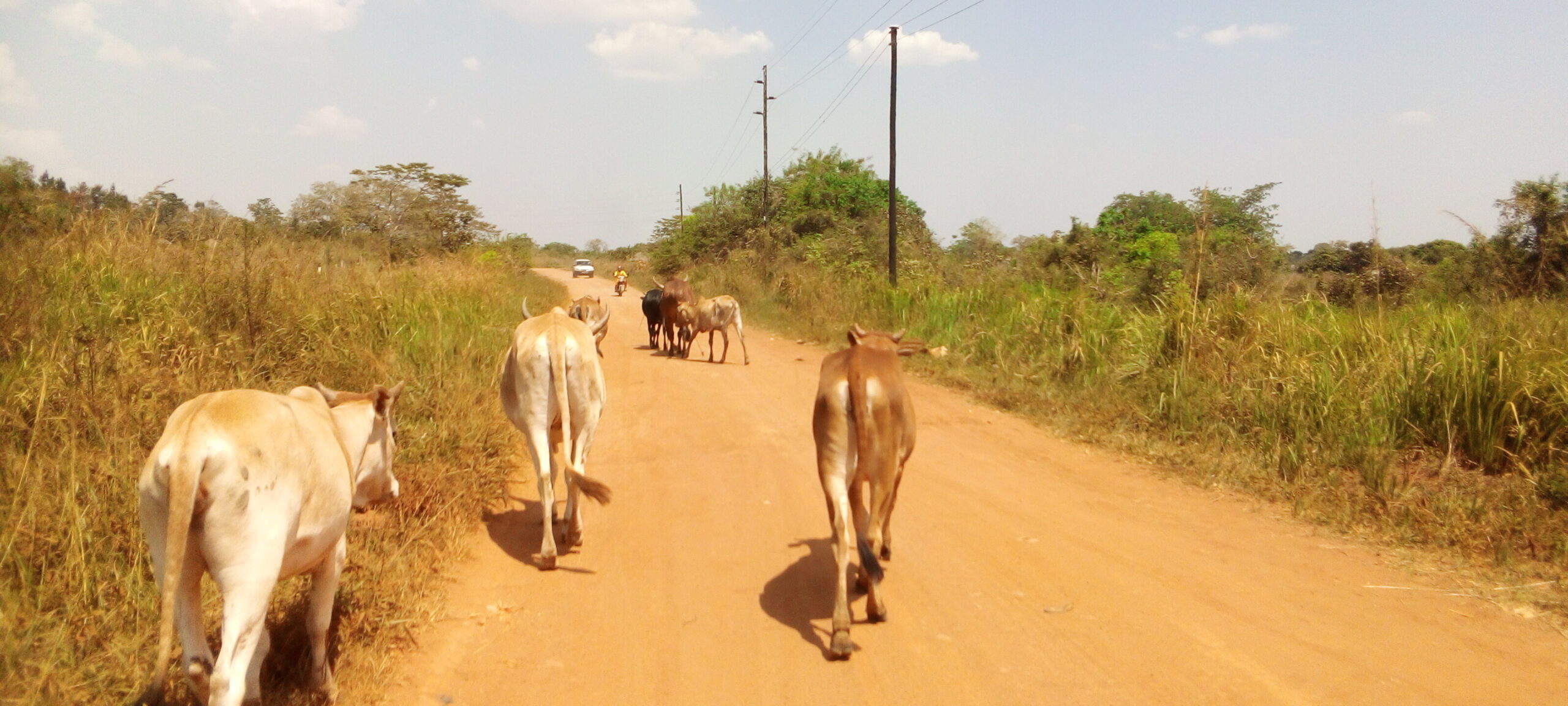
Pader District is facing increasing safety and economic challenges as animals are left to roam freely during the dry season, which runs from early November to early April.
Local leaders warn that the long-standing practice has led to road accidents, crop destruction, and increased exposure of livestock to disease, theft, and other risks.
The LCIII Chairperson of Pajule Town Council, Mr Okello Titto Brilliant, described the problem as widespread, affecting areas such as Pajule Town, Paiula, Porogali and Lapul, among others.
He said the animals not only destroy crops and fight among themselves, but also create unsafe conditions for children and other residents.
“Free-range animal movement is an outdated practice that must end,” Mr Brilliant said, emphasising that livestock owners are responsible for their animals at all times.
During the dry season, animals roam in search of food, often straying onto roads and into private compounds.
Boda-boda rider Okwera Donald said livestock sleeping on roads at night makes it difficult to maintain safe riding speeds.
“It is very dangerous at night. We cannot always ride slowly, especially during emergencies,” he explained, highlighting the daily risks faced by riders.
Oryema Johan Bosco, another boda-boda rider also known as Adeg-Ani, said he has frequently witnessed animals roaming on roads, particularly at night when visibility is poor.
He urged fellow riders to exercise extreme caution during the dry season.
Motorist Oketa Michael, also known as Mike, who drives along the Pader–Gulu Highway, reported that black cattle are particularly difficult to see at night, leading to several near collisions.
He described the situation as a serious challenge for all drivers, particularly during the dry season when animals roam more freely.
The District Police Commander of Pader District, SP Jackson Bogere, confirmed that free-ranging animals are a leading cause of road accidents during this period.
He explained that negligence by livestock owners can result in legal consequences, including the confiscation or auctioning of animals to compensate victims.
“Owners who allow their animals to roam freely are putting lives at risk and must be held accountable,” SP Bogere said, calling for stricter enforcement and greater community cooperation.
The LCIII Chairperson of Pukor Sub county, Mr Ojwini Richard, described the practice as a mindset issue that hinders development.
He added that crop destruction and livestock theft reduce farmers’ incomes, perpetuating poverty and limiting community progress.
He warned that, unless the practice is addressed, it will continue to undermine safety, livelihoods, and development in the district.
Dr Onyango Bosco, Assistant District Veterinary Officer for Pader District, explained that many livestock remain unvaccinated, leaving them vulnerable to diseases such as Black Quarter in cattle and African swine fever in pigs.
“Animals roaming freely during the dry season are at high risk of disease, accidents, and theft,” Dr Bosco said, emphasising that proper animal management is essential to prevent losses.
Mr Kilama Fearless Wodacholi, LCIII Chairperson of Pader Town Council, said that although laws exist to prevent free-range grazing, enforcement is often slow.
“The law is in place, but community support is needed to manage animals responsibly,” he noted, adding that roaming livestock also destroy crops and tree seedlings, undermining local development initiatives.
Kilama added that, beyond road accidents and crop destruction, free-roaming animals hinder town planning, environmental programmes, and economic growth.
Authorities have advised road users to remain vigilant during the dry season by reducing speed, staying alert, and anticipating animals on the roads.
In the event of an accident involving livestock, proper legal procedures should be followed to ensure compensation and avoid personal liability.
The LCIII Chairperson of Pajule Town Council, Mr Okello Titto Brilliant, emphasised that free-range animal movement during the dry season is dangerous, unacceptable, and must be stopped.
“Animal owners, road users, and local leaders must work together to protect lives, property, and the future of our district,” he said, underscoring the need for collective action.