
 Rapa FM Pader
Rapa FM Pader
Rapa FM Pader
28 February 2026, 10:54
By Ekel Bonny Daniel
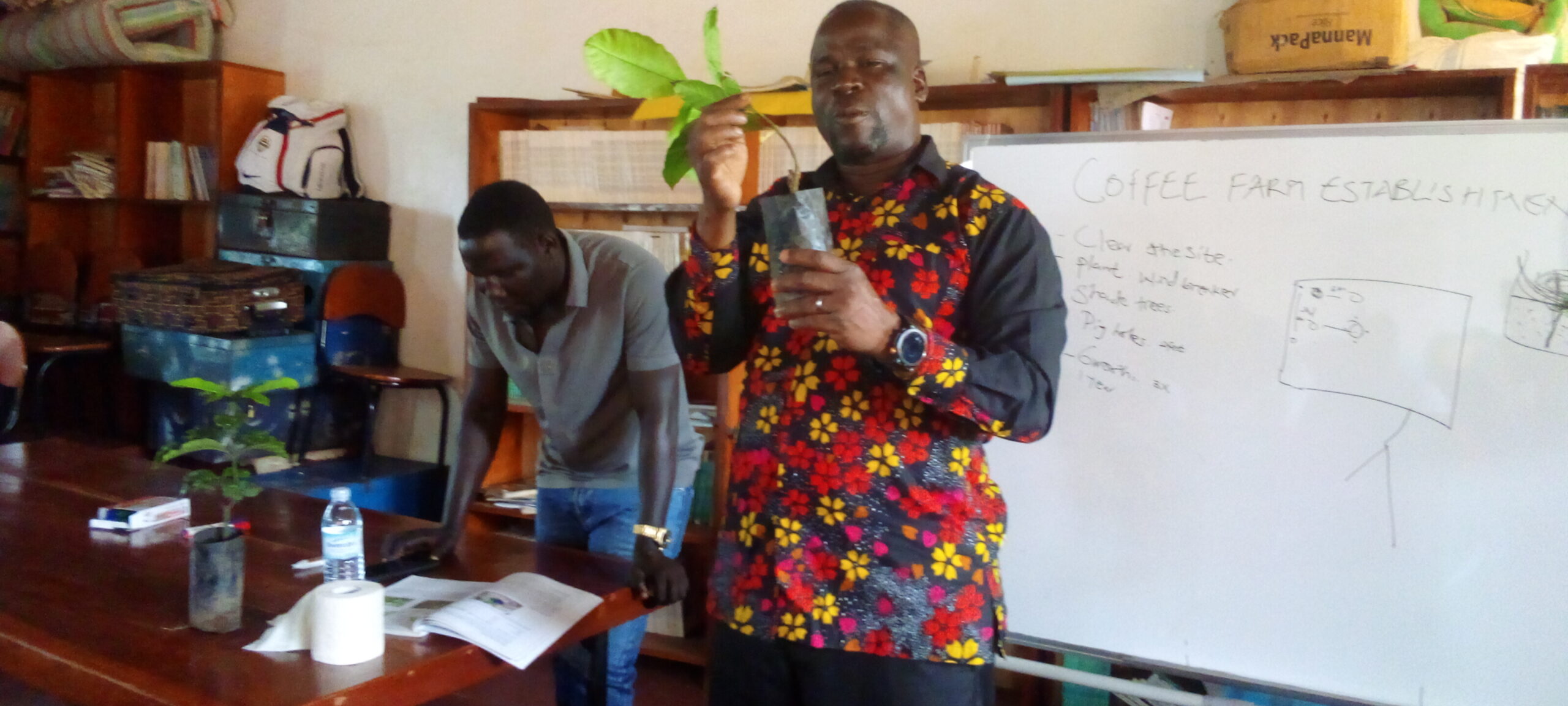
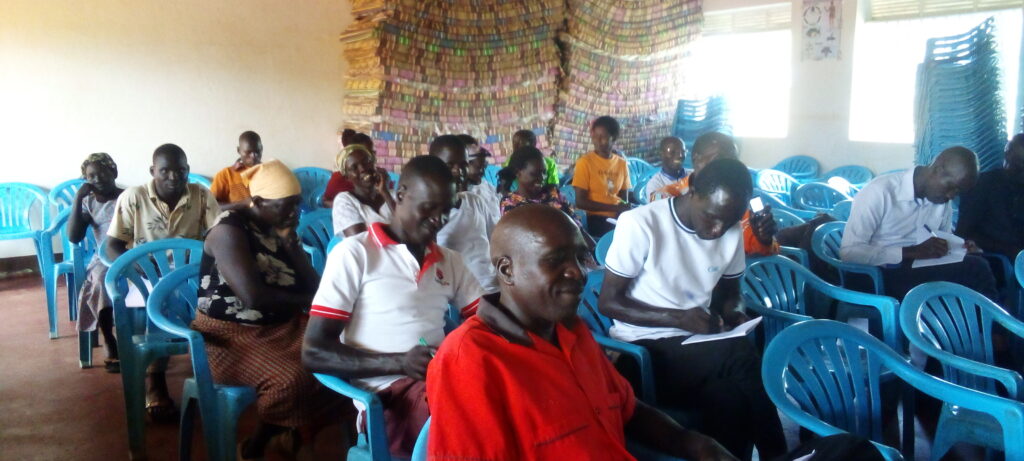
A community-driven coffee farming initiative led by Pastor David Ocira is inspiring new optimism in Pader District, Northern Uganda, as more than 100 farmers gathered for a training aimed at transforming livelihoods through agriculture.
The training, organized by Pader Community Church, marks a growing movement in the region to combine spiritual guidance with economic empowerment.
Community members say the program could redefine how families sustain themselves in a region historically uncertain about coffee farming.
“We want to bring transformation to our community in a holistic way,” said Ocira, Senior Pastor of the church. “Our desire is that people become not only spiritually strong but also economically empowered so they can improve their livelihoods.”
The church’s coffee initiative is based on lessons learned from successful farming communities in Rakai District, where coffee has long been a major source of income.
Pastor Ocira said he personally visited Rakai three times to study how farmers there have turned coffee into a thriving business.
The experience convinced him that the same model could work in Northern Uganda.
As part of the effort, the church has already prepared 20,000 coffee seedlings in nursery beds at its compound and plans to host another large training session in the second week of March to mobilize even more farmers.
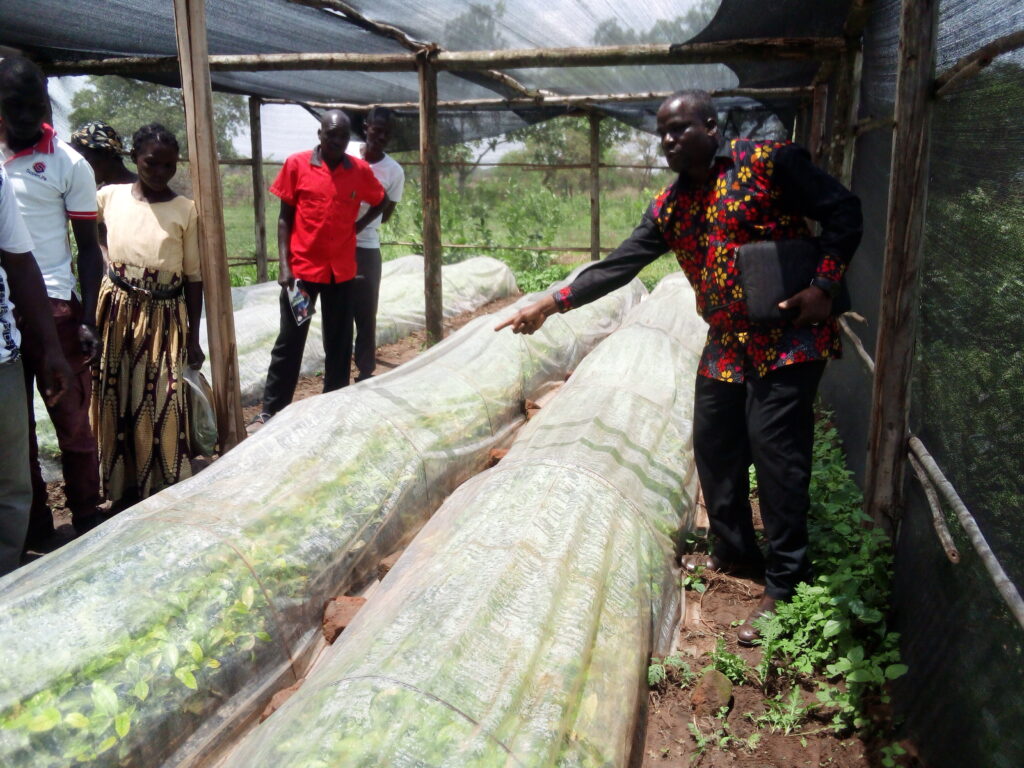
The initiative is open to anyone interested in farming, improving their family’s economic situation, or starting a personal or family business.
For many participants, the training was more than just a farming lesson it was a shift in mindset.
Kavin Lakot, a teacher at Ridge Christian Nursery and Primary School, said the training helped her realize that coffee farming could become a reliable source of income.
“For a long time, people believed coffee could not grow well in Acholi land,” Lakot said. “But now I understand that if it is planted and managed properly, it can grow very well here.”
Lakot encouraged both young people and older members of the community to embrace coffee farming and called on government and partners to support farmers with tools and seedlings.
Otim Geofrey, another farmer from Gulnam Parish in Ogom Sub-county Pader district said the knowledge gained during the training has already changed his plans.
“I used to think coffee could not grow well here,” Geofrey said. “But after this training, I realized our land is actually good for coffee growing. I am going back home to share what I learned and start preparing holes for planting.”
He described coffee as a “retirement package,” noting that once established, coffee trees can provide benefits for many years.
Farmers were also encouraged to form groups to make it easier to access support and resources.
The training was facilitated by Okwera Stephen, an agricultural extension worker from Omoro District.
He guided farmers through the step-by-step process of establishing a coffee garden.
According to Stephen, successful coffee farming begins with selecting fertile land with good drainage, clearing the garden, and preparing the soil.
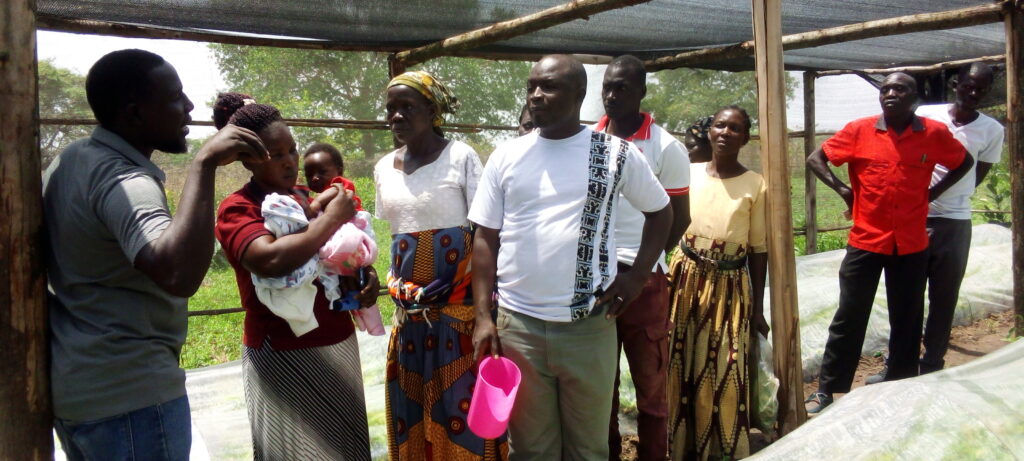
Farmers were also trained on proper spacing, digging planting holes before the rainy season, and mixing topsoil with manure to improve fertility.
Other key practices include mulching, providing shade for young plants, regular weeding, monitoring pests and diseases, to ensure high-quality produce and better market returns.
“If farmers follow these steps carefully, coffee farming can greatly improve household income,” Stephen said.
One of the most innovative aspects of the initiative is its plan to link coffee farming with child sponsorship programs.
Currently, the church supports about 378 children through its development and sponsorship program.
After studying a model in Rakai, the church is considering adopting a system where each sponsored child helps establish a one-acre coffee garden.
Under the model, sponsors support both education and coffee farming, the child manages the garden for about five years, and the sponsorship lasts roughly eight years.
By the end of the program, the child can generate income from the coffee farm.
Leaders say this approach could transform entire households, not just individual children.
A garden with around 450 coffee trees can help pay school fees, cover medical expenses, and support other family members.
“This model can lift the whole family,” Pastor Ocira said. “With coffee farming, one garden can benefit many people.”
Organizers believe the success of the initiative will depend on collaboration between community members, government agricultural officers, and development partners.
Plans are already underway to invite government experts to guide farmers and assess the church’s coffee nursery.
For many residents, the training represents more than an agricultural project it signals a new chapter of hope.
If the momentum continues, leaders say coffee farming could become a powerful tool in reducing poverty and strengthening communities across Northern Uganda.
“We believe that if we work together,” Pastor Ocira said, “we can transform lives.”