
 Rapa FM Pader
Rapa FM Pader
Rapa FM Pader
28 March 2026, 21:21
By Ekel Bonny Daniel
Several primary schools in Pukor Sub-county are taking bold steps to address environmental degradation through tree planting and sustainability initiatives, thanks to a growing partnership with development organizations and local leaders.
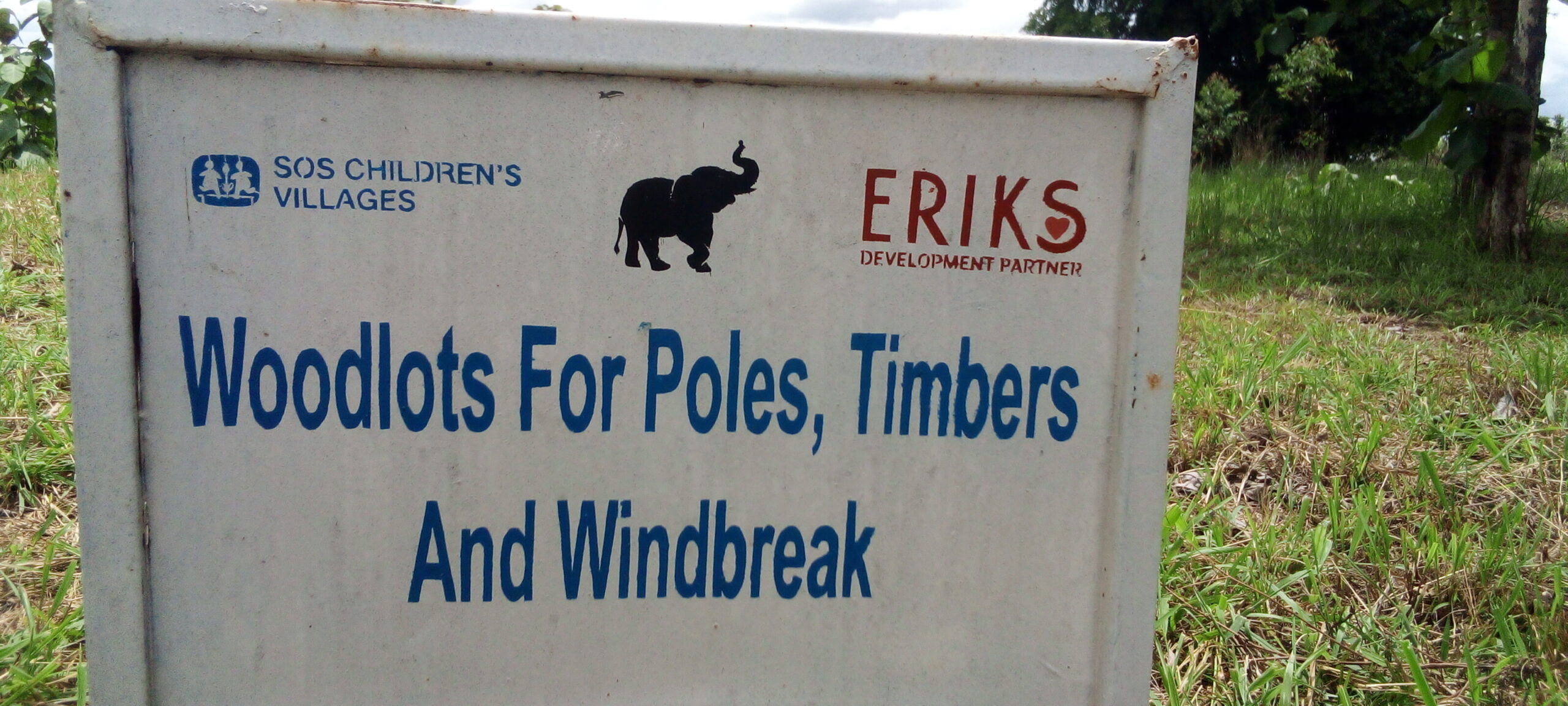
The initiative, spearheaded by SOS Children’s Villages Uganda, is being implemented in several schools including Opolacen, Bagwari, Ogom Telela, Olambyera, Dagodwong, Aluka, and Kineni primary schools all located in Ogom and Pukor sub-counties.
The program focuses on restoring the environment while equipping pupils with practical skills in conservation.
According to Mr. Stephen Tabu, Area Programme Manager for SOS Children’s Villages Uganda in Gulu, the project was introduced as a response to the increasing effects of climate change and environmental degradation in the region.
“Our goal is to empower children to become agents of environmental conservation. Through Eco Clubs, they are not only learning about environmental protection but also taking direct action,” he said.
Across the participating schools, thousands of tree seedlings have been distributed and planted. These include timber and fruit trees such as Sudan teak, white teak, and citrus varieties.
The trees are expected to provide multiple benefits, including improved environmental conditions, shade for learners, and future income for schools.
At Opolacen Primary School, one of the participating institutions, a five-acre woodlot has already been established.
School administrators say the project demonstrates the potential of combining education with environmental stewardship.
Highlighting the positive impact of partnerships with the organizations on the school’s growth, environmental conservation efforts, and future economic sustainability, Deputy Headteacher Mr. Okonya Devid said they have seen great progress and expressed confidence that the initiative will not only improve the environment but also support the school economically in the future.
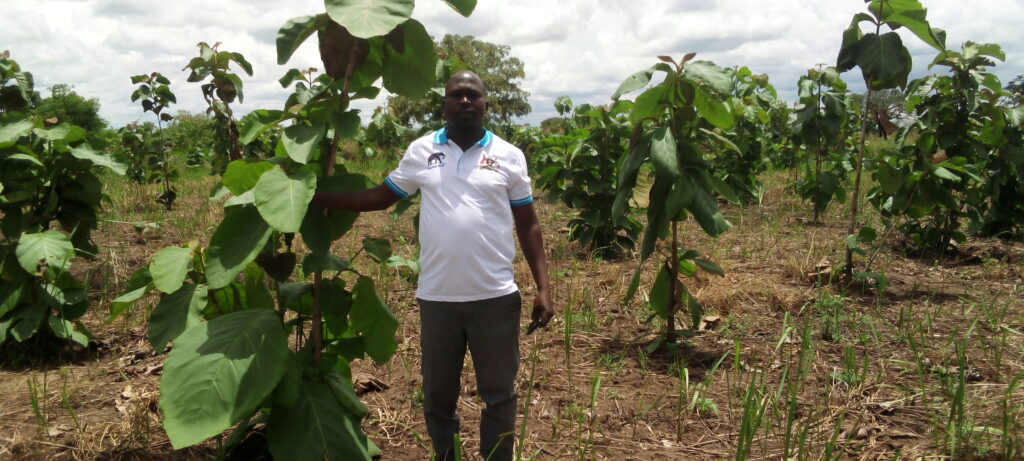
“We have seen great progress through partnerships with organizations like SOS Children’s Villages Uganda,” said Deputy Headteacher Mr. Okonya Devid. “This initiative will not only improve our environment but also support the school economically in the future.”
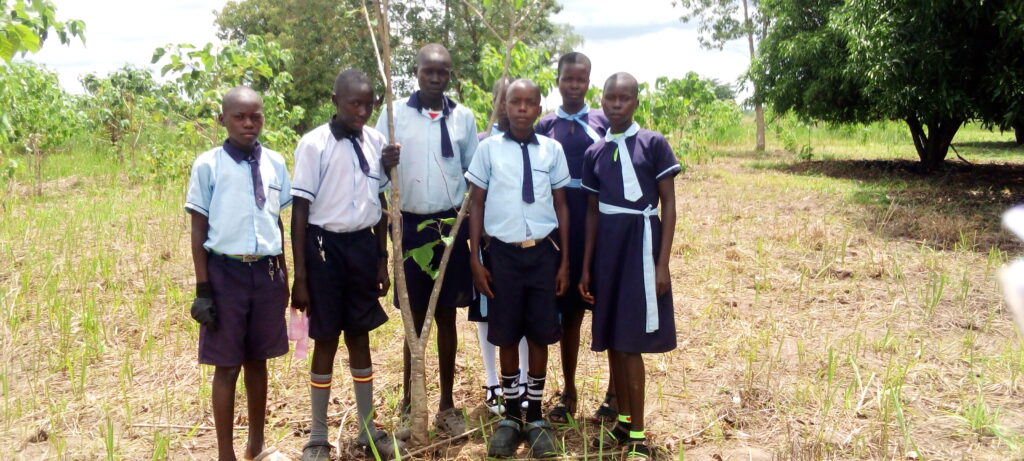
To ensure sustainability, schools have formed Eco Clubs that involve pupils directly in maintaining the projects. Activities include weeding, pruning, and promoting cleanliness within the school compound.
Ocaya Christopher, a pupil and chairperson of the Eco Club at Opolacen Primary School, said learners are committed to protecting the trees they have planted.
“We carry out regular activities like ring weeding and pruning to help the trees grow well. We are proud to make our school greener and cleaner,” he said.
The environmental efforts extend beyond schools into the wider community. Local leaders in Pukor Sub-county have taken additional steps to safeguard natural resources.
In 2023, a by-law was enacted to prevent the cutting of key tree species, particularly shea trees, and to promote conservation practices.
LCIII Chairperson Mr. Ojwini Richard noted that the sub-county has been heavily affected by drought and prolonged dry spells, making environmental restoration a priority.
“Through this partnership, we have distributed over 2,000 tree seedlings to schools and communities. This is helping us restore our environment and improve livelihoods,” he said.
He also called for increased support from development partners to expand the initiative to other sub-counties facing similar environmental challenges.
In addition to tree planting, SOS Children’s Villages Uganda is implementing broader community programs, including child protection, parenting education, teacher training, and youth empowerment.
These efforts aim to strengthen both education systems and household resilience.
Despite the progress, schools continue to face challenges that threaten the sustainability of these initiatives.
Limited water supply, inadequate sanitation facilities, and maintenance constraints remain key concerns in several institutions.
At Opolacen Primary School, for instance, over 500 pupils rely on a single borehole shared with the community, while sanitation facilities are insufficient for the growing enrolment.
School leaders have therefore appealed to authorities and well-wishers for support in improving water access and sanitation infrastructure to complement the environmental projects.
As more schools embrace conservation efforts, stakeholders believe the initiative is laying a strong foundation for a greener and more sustainable future.
By actively involving pupils, teachers, and communities, the program is not only restoring the environment but also nurturing a generation that values and protects natural resources.