
 Ssebo FM
Ssebo FM
Ssebo FM
29 May 2026, 6:09 pm
By Ali lukomo
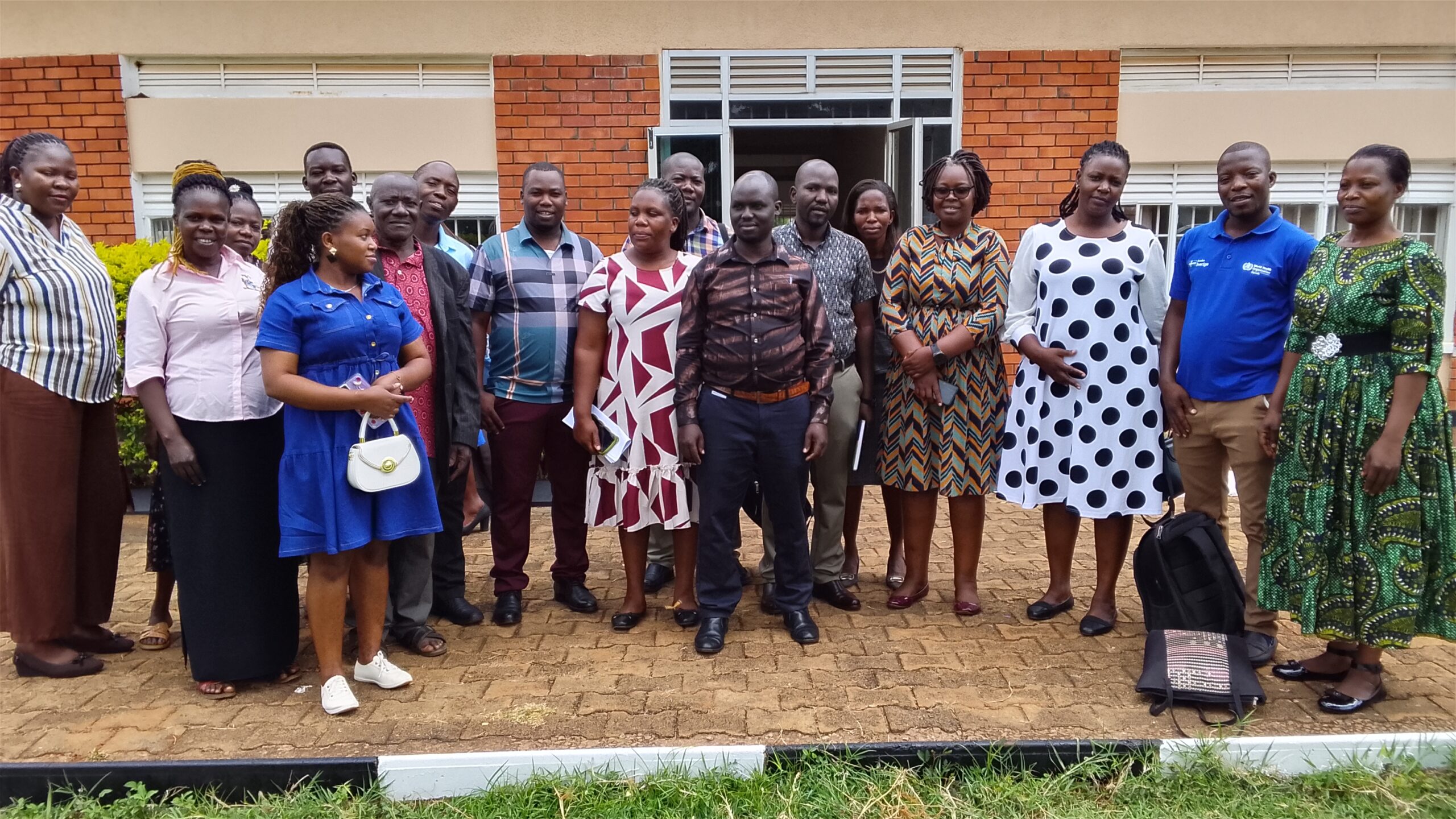
Health workers and Village Health Teams (VHTs) from Kamuli District have completed a two-day training on the management and awareness of Spina Bifida and Hydrocephalus aimed at strengthening early detection.
In a bid to control the condition, health workers emphasised prevention measures and advised mothers on practices that can help reduce the risk of the diseases. Spina Bifida, according to doctors, is a congenital condition that occurs in the early stages of pregnancy, around the eighteenth week of foetal development. If a mother delays attending antenatal care, the condition may progress until birth.
The two-day training, organised by the Spina Bifida and Hydrocephalus Association of Uganda (SHAU), a non-governmental organisation working with government to promote treatment and prevention of the condition, encouraged the health department to provide communities with clear information on prevention and management of Spina Bifida and Hydrocephalus.
On prevention, health workers advised that mothers should consume foods rich in proteins, folic acid and other essential nutrients. These include vegetables such as dodo, eggplants, pumpkins and eggs, which help support foetal development and reduce the risk of Spina Bifida.
Speaking to this radio after the training, Dr Abdullah Munyete, the District Health Inspector, explained how the conditions occur and urged trained health teams, including VHTs and health facility in-charges, to encourage mothers to attend antenatal care regularly and adhere to prescribed medication.
According to SHAU Coordinator for the Eastern Region, Ms Jackie Ahimbisibwe, the Spina Bifida and Hydrocephalus Association of Uganda is working in four sub-counties in Kamuli District and has already registered positive impact, with several patients referred to Cure Medical Centre in Mbale for further management.
She explained that the organisation has conducted activities in various sub-counties, including Kitayunjwa and Butansi, where they discovered that some mothers and caregivers had kept children indoors due to fear and lack of information. However, after community engagement sessions, more caregivers have come forward and are now accessing medical support.
The recent health camp in Butansi was described as an eye-opener for the community, with many residents responding positively to the interventions. However, Ms Ahimbisibwe called on government to intensify efforts in disseminating information on Spina Bifida, Hydrocephalus and other health conditions.

Some participants were observed appealing to the Government to bring specialised health services closer to communities in order to reduce the long distances travelled in search of treatment. They noted that facilities such as Cure Medical Centre in Mbale, Eastern Uganda, are far for patients from districts such as Buyende, Kamuli and Luuka, making access to care difficult.