
 Etoil A Karamoja
Etoil A Karamoja
Etoil A Karamoja
3 February 2026, 4:14 pm
By Our Reporter
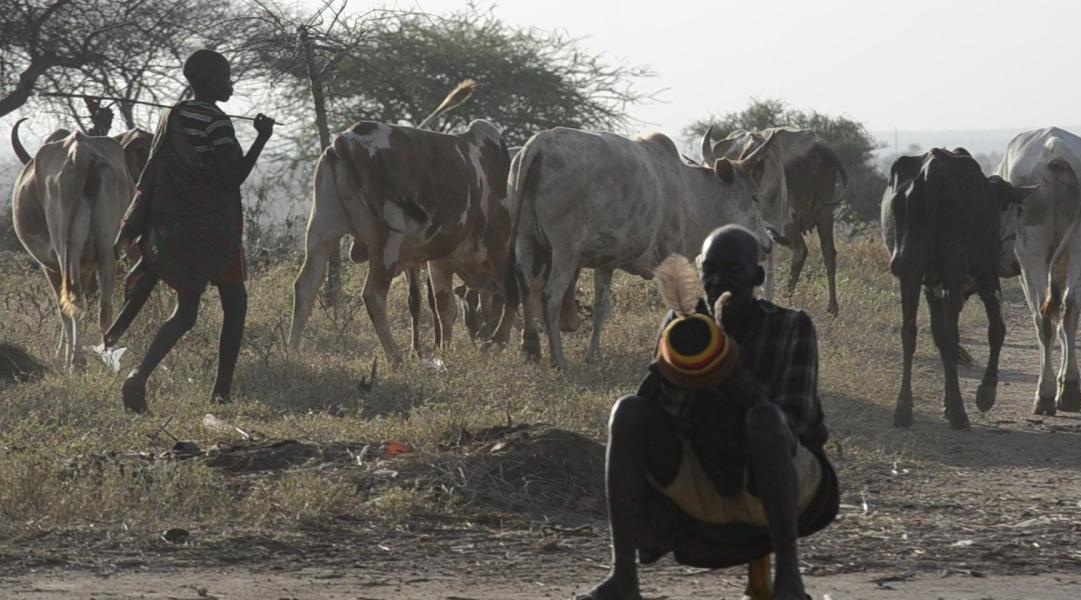
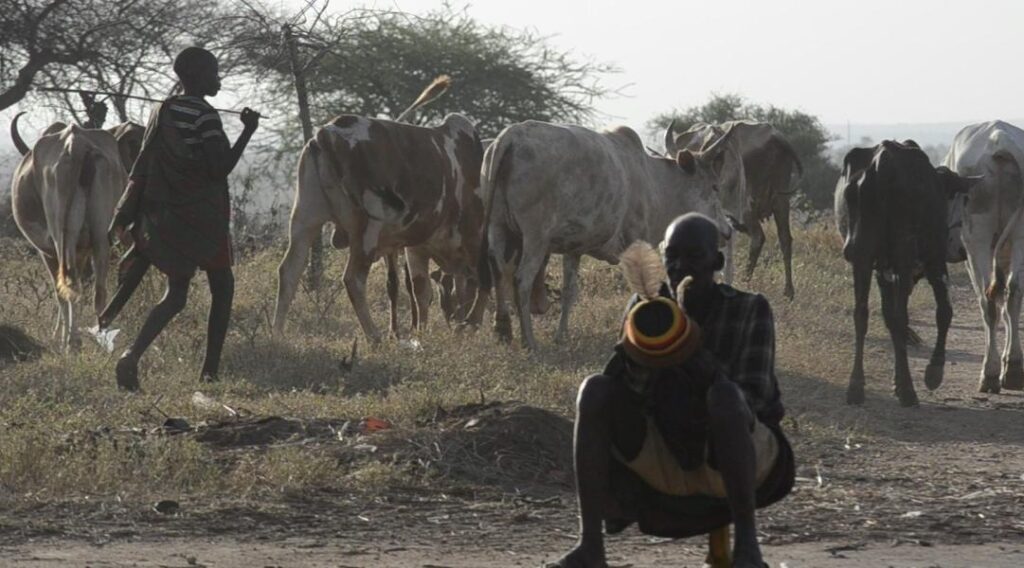
Pastoralists in Karamoja are facing a worsening crisis as water sources dry up under scorching temperatures, threatening both livestock and livelihoods.
Their traditional way of life—once sustained by predictable rainfall and abundant pasture—is increasingly disrupted by climate change, which is taking a heavy toll on animals.
Moroto District alone is home to about 300,000 cattle, each requiring an average of 15 litres of water daily, in addition to over 400,000 goats and sheep.
At the Kobebe grazing ground in Moroto District, more than 50,000 cattle now crowd around a shrinking dam, which has become the primary water source for pastoralists. The dam, once a lifeline, is drying up due to heavy siltation, and cattle watering traps have ceased functioning.
Pastoralists from Kenya’s Turkana region, Jie herders from Kotido District, and others from Napak have converged on Kobebe, placing enormous pressure on the limited water resources. As a result, cattle are trekking long distances in search of water and pasture.
Climate change has also introduced new challenges, including unfamiliar livestock diseases that have killed several animals.
Michael Achia, a herdsman from Kautakou Village in Napak District, says water scarcity, pasture shortages, and tick-borne diseases are the biggest challenges. He explains that the water crisis has forced pastoralists to compete with communities for borehole water, which is insufficient for livestock.
“Sometimes we can only water cows with calves to sustain milk production, leaving other animals unattended,” Achia said. He added that he has lost five cows in the past three months to suspected tick-borne diseases, noting that the animals lost weight, began urinating blood, and later died. He appealed to veterinary officers to investigate the illness and provide treatment.
Emmanuel Areman, another pastoralist, said the water crisis worsens during dry seasons. Most dams are shallow and dry up quickly, forcing pastoralists to share water sources with communities, posing risks to both humans and livestock. Herders with large herds are now trekking over 100 kilometres to access water.
Pasture scarcity has also pushed pastoralists to burn bushes to encourage fresh grass growth and kill ticks hiding in dry vegetation.
Daniel Awas, a cattle keeper from Loputuk Subcounty, said climate change has severely affected livelihoods, exposing pastoralists to poverty and food insecurity. Unpredictable weather has made it impossible to plan crop cultivation or livestock watering. Traditional water catchments that once lasted up to five months now dry up quickly due to excessive heat.
Many pastoralists are migrating to regions like Teso in search of water, exposing them to conflicts over shared resources. Awas appealed to the government to construct large dams capable of holding water for longer periods as climate pressures intensify.
Dorothy Namoe, a resident of Lotome Village in Napak District, said sharing water sources with livestock has caused frequent breakdowns of community boreholes. Some parishes lack boreholes entirely, forcing women to walk over 25 kilometres to fetch water. She warned that the situation will worsen as pressure on water sources increases. All water points in Lotome Subcounty have dried up, forcing men and boys to migrate with livestock, raising safety concerns for families left behind.
Jackson Angella, an elder in Moroto District, said communities are struggling to adapt to unpredictable weather patterns. Migration remains the only survival option, but movement restrictions imposed by authorities have complicated the situation. He urged leaders to engage neighbouring regions such as Teso, Lango, Acholi, and Sebei to allow resource sharing.
Moroto District Veterinary Officer, Dr. Moses Okino, said climate change has severely affected livestock due to shrinking pasture and water sources. Droughts, which once occurred every five years, are now more frequent, affecting pasture quality and increasing water evaporation rates.
Changing migration patterns have introduced new tick-borne diseases, first detected in Kenyan cattle and later spreading into Karamoja. Dr. Okino also warned of newly identified poisonous plant species in Rupa Subcounty, linked to climate change, which pose risks to livestock. Poor pasture nutrition has weakened animals’ immunity, reducing productivity and forcing pastoralists to sell livestock at low prices. Some herders now water cattle only once every two days due to shrinking water sources.
Frank Lopeyok, Executive Director of Karamoja Youth Effort to Save the Environment (KAYESE), said climate stress is eroding water and pasture resources, forcing pastoralists to compete with communities for borehole water. Prolonged drought has worsened pasture scarcity, while gazetted land under the Uganda Wildlife Authority has reduced grazing areas. Long treks in search of water have fueled conflicts between pastoralists, conservation authorities, and neighbouring communities.
Lopeyok called for the construction and rehabilitation of dams and greater community sensitisation on climate change, noting that many still attribute climate change to spiritual causes. He added that KAYESE has launched a one-million-tree-planting campaign across Karamoja to mitigate climate effects.