
 Rapa FM Pader
Rapa FM Pader
Rapa FM Pader
20 April 2026, 18:03
By Ekel Bonny Daniel
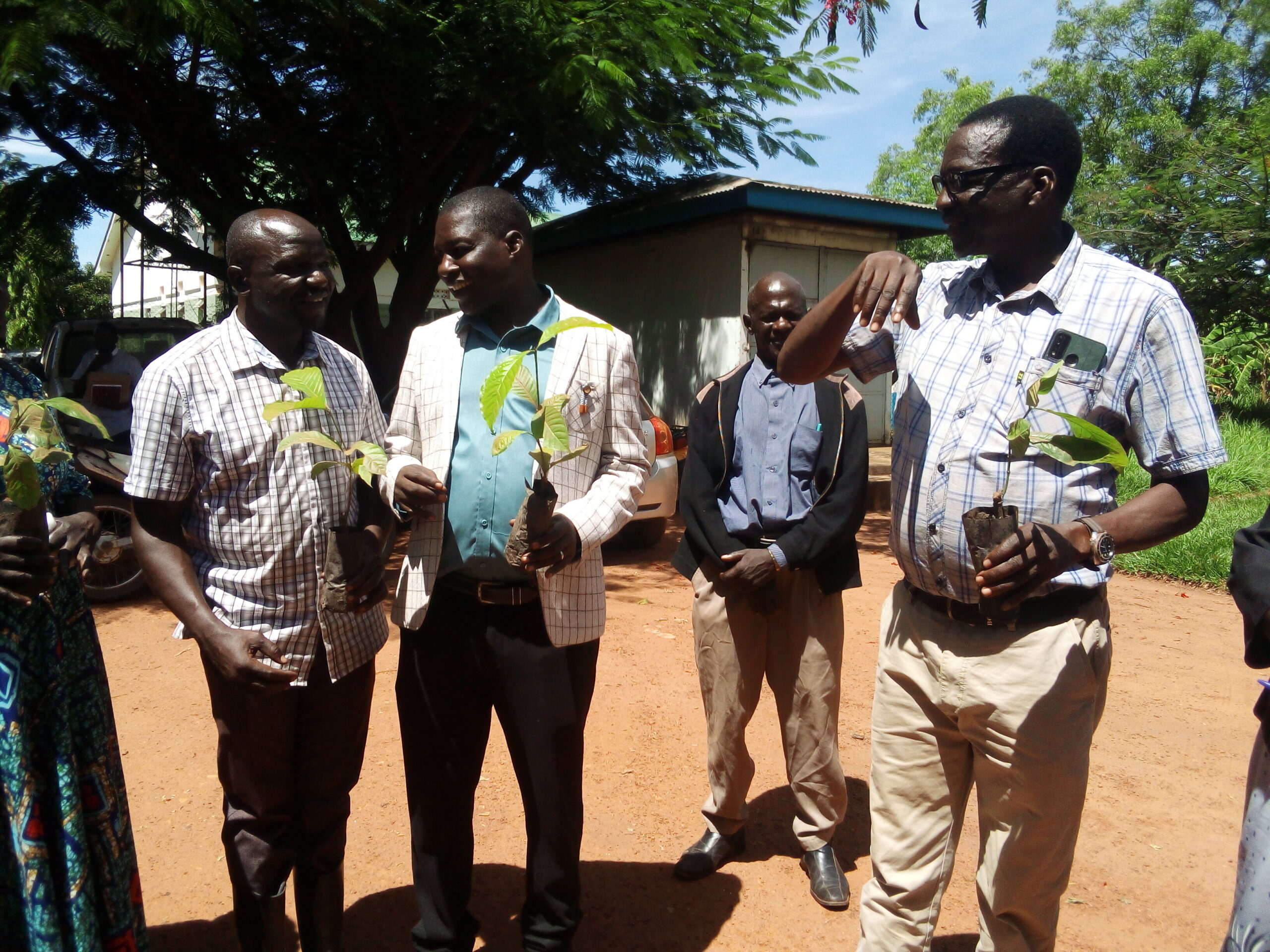
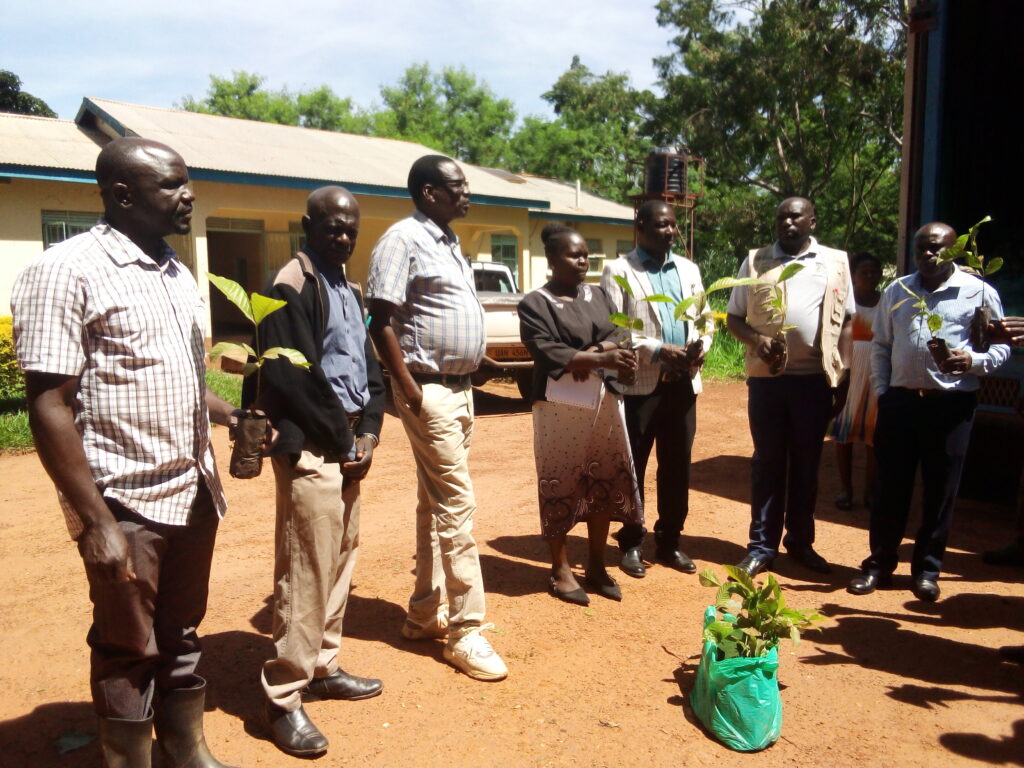
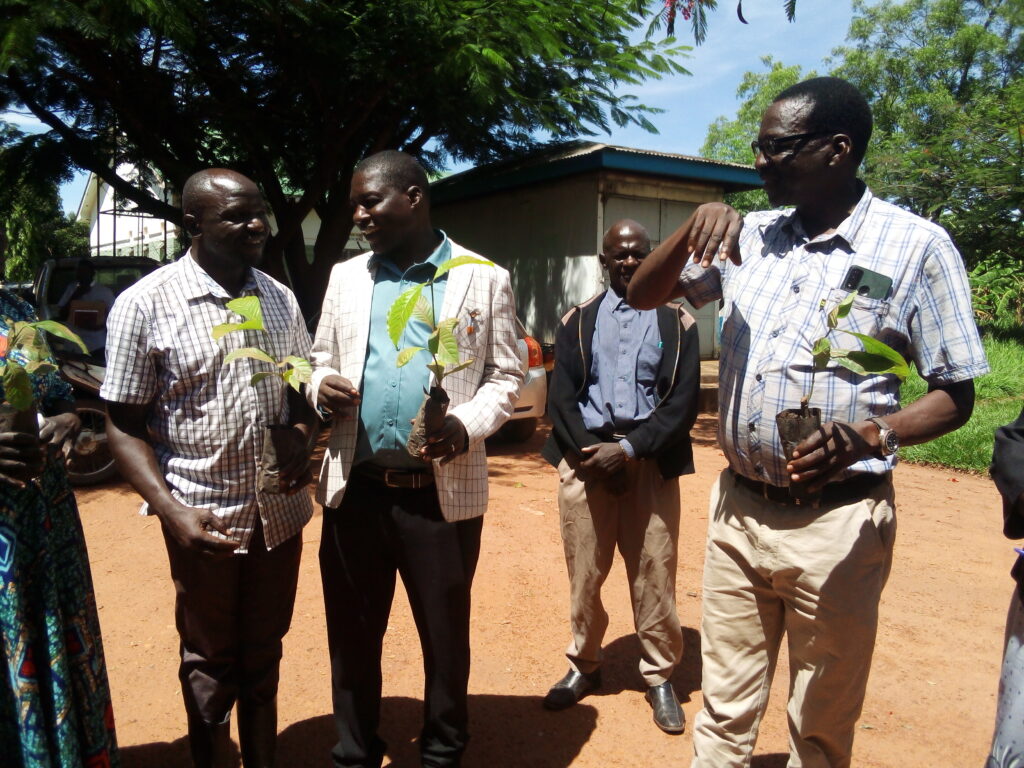
Pader District has officially launched the distribution of coffee seedlings, flagged off by Resident District Commissioner Amos Asiimwe Banji, as part of efforts to promote commercial farming and reduce poverty through coffee production.
On Monday, 20 April 2026, the Resident District Commissioner officially launched the distribution of coffee seedlings in Pader District, flagging off a government-backed programme aimed at expanding commercial coffee farming and lifting households out of poverty.
The launch, held at the District Headquarters Production Department, marked the rollout of the first 50,000 coffee seedlings from an expected 150,000 in the initial consignment, part of the district’s request for 500,000 seedlings this year.
Another 100,000 seedlings are expected later this week, with additional supplies to follow as the district advances its long-term coffee expansion strategy.
Presiding over the launch on behalf of the President, Banji described the programme as both an economic intervention and a test of accountability, urging farmers to treat agriculture as a business, protect the seedlings, and ensure government support translates into lasting household wealth.
He also called for stronger supervision by extension workers to ensure technical guidance goes hand in hand with distribution.
The Pader District Production Officer and District Agricultural Officer, Mr Seydou Opoka Adolatona, said the initiative aligns with the district’s target of establishing coffee gardens in nearly all parishes by 2030/31.
He added that only verified farmers who had undergone training, prepared their land, and dug planting holes using the recommended spacing were selected to receive seedlings, while some earlier beneficiaries would receive additional seedlings for gap-filling.
The Regional Agricultural Officer (Coffee) at the Ministry of Agriculture, Animal Industry and Fisheries, covering Agago, Pader and Abim, Nicholas Okino, said the arrival of seedlings during the first planting season is expected to improve survival rates.
He highlighted the introduction of Coffee Wilt Disease-resistant clones, describing them as faster yielding, more resilient, and better suited to boosting productivity.
Farmer Ulum Andrew Livingston from Pader Town Council raised concerns over damage caused by stray animals, renewing calls for stronger livestock control measures.
Representing the Chief Administrative Officer, Ms Amony Catherine pledged support for the enforcement of by-laws to protect farmers and safeguard public investment.
Hon Okwir Charles Ray, Councillor V for Pader Sub county, called for stronger extension outreach, arguing that distributing seedlings without sustained field guidance could undermine results.
Rev Stephen Olika Enenu, a priest, teacher and farmer, was among the strongest voices of endorsement, presenting coffee as a pathway to self-reliance and middle-income status.
With investments already made in irrigation, shade management, fencing and agroforestry, he said he intends to develop a model farm for learning while also encouraging farmers to adopt improved soil and moisture conservation practices.
Coffee is no longer being framed as an experimental crop in northern Uganda but as a serious commercial enterprise requiring discipline, daily management and long-term commitment.