
 Rapa FM Pader
Rapa FM Pader
Rapa FM Pader
31 March 2026, 20:26
By Ekel Bonny Daniel
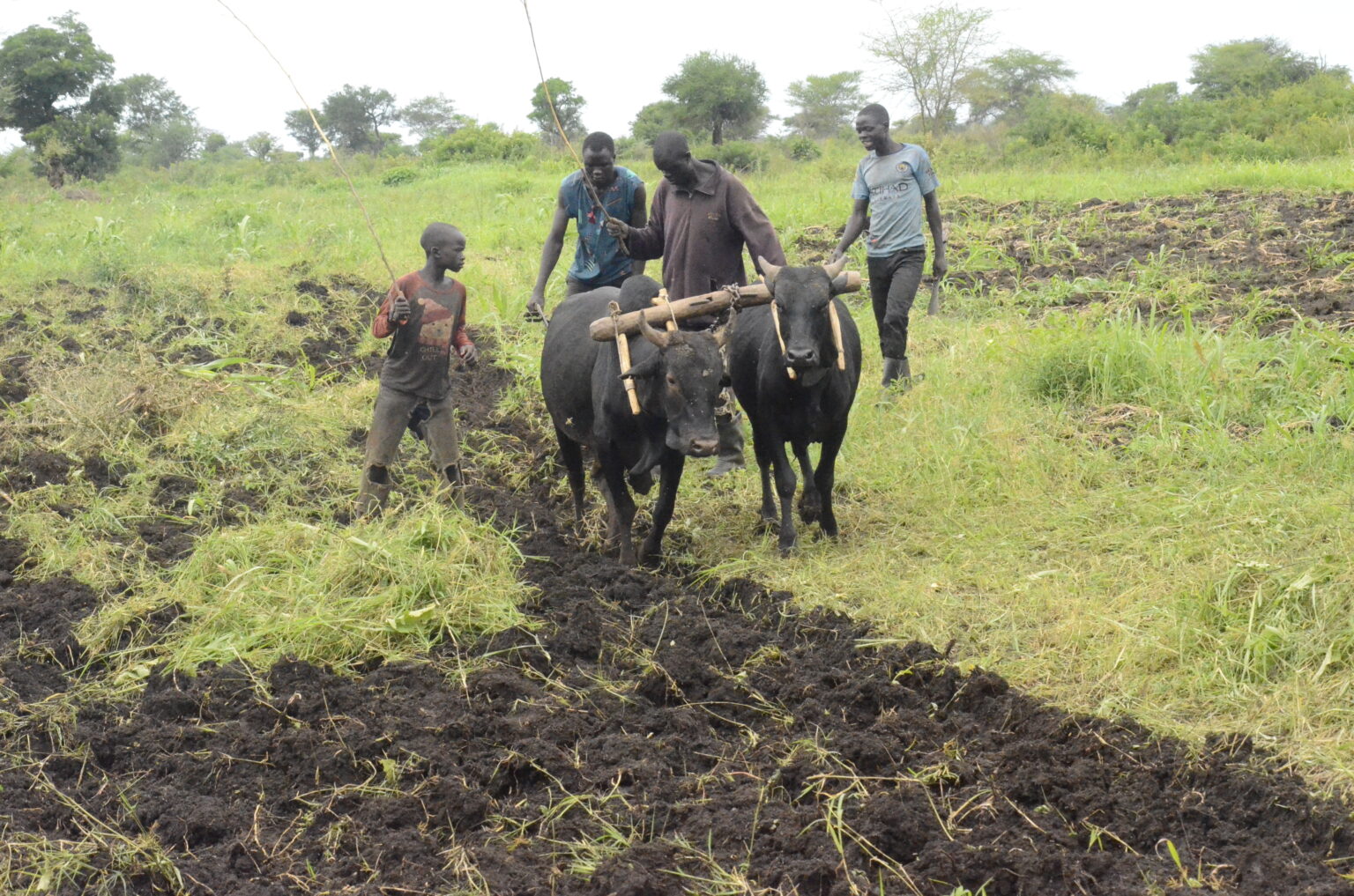
Farmers and experts in Northern Uganda report that unpredictable rainfall and changing weather patterns are disrupting traditional farming practices, prompting the adoption of adaptive strategies such as irrigation, drought-tolerant crops, and agroforestry.
Northern Uganda is facing growing challenges in agriculture as erratic weather patterns disturb traditional farming calendars, according to farmers and agricultural experts.
Local farmers and extension workers emphasised that climate change has made farming increasingly uncertain, prompting calls for adaptation and innovative solutions.
Okot Danish, a farmer from Pajule Sub-county, explained that over the past five years, rainfall has become erratic, making it difficult for farmers to determine the right planting times.
Historically, crops were sown in March and April when rains were reliable. This year, however, rains began as early as January, creating confusion among farmers who were unsure whether the early showers would continue.
Danish said that because of this uncertainty, planting has become a gamble. Farmers continue to grow traditional crops such as maize and groundnuts in the first season and cash crops like cotton in the second season, even though weather conditions are less predictable.
From Ajan Sub county, farmer Apiyo Catherine highlighted similar concerns regarding rainfall instability.
She noted that the expected March or April rains no longer follow their usual patterns, sometimes starting much earlier or being interrupted by droughts.
Catherine explained that even reliable water sources are becoming less predictable, forcing farmers to constantly adjust their planting schedules. She described the impact on crop health and yield, noting that sudden droughts or unexpected rains often damage crops.
However, Catherine stressed that farming remains the main source of livelihood, and farmers are striving to adapt by using the resources available to them while hoping for better conditions in the future.
Komakech Charles, a field worker with Capable, an NGO in the district, provided a broader perspective on regional agricultural challenges, covering districts such as Pader, Agago, Kitgum, and Lamwo.
He explained that rainfall patterns now vary greatly, even over short distances, creating difficulties in applying uniform farming schedules.
Charles emphasised that Capable is encouraging farmers to adopt strategies to manage these risks. These include early land preparation, planting drought-tolerant seed varieties, promoting agroforestry, and cultivating high-value crops that can generate income quickly.
He also stressed the importance of crop rotation and diversification into livestock and poultry to spread risk.
Agricultural extension worker Okwera Steven stated that unpredictable rains in recent years have required farmers to adjust rapidly to new conditions.
He observed that crops for the first season, such as maize, beans, soya beans, and groundnuts, are better suited to withstand variable rainfall, while second-season crops need to tolerate periods of intense sunshine.
Steven highlighted the role of education and awareness in helping farmers adapt. He noted that promoting tree planting and understanding rainfall patterns can help communities respond more effectively to changing conditions.
In Acholibur Sub county, farmer Acayo Eater Teddy described how irrigation has transformed her farming practices.
With a solar-powered irrigation system, Teddy is able to grow vegetables year-round, even during dry spells, eliminating the uncertainty caused by irregular rainfall.
She urged other farmers to adopt irrigation as a reliable solution to climate challenges, emphasising its potential to secure consistent harvests and ensure food security.
Odong Lyandoro Abayo, an elder and Local Council I representative of Lwala B, Pajule Sub county, reflected on the changes in farming he has witnessed over the decades.
He recounted that the traditional planting calendar, which began with clearing gardens in February and sowing in March, has been disrupted by early rains and unpredictable seasons.
Abayo warned that these changes affect farmers of all ages, making it critical to adopt new strategies for coping with climate variability.
He stressed that adaptation is now a necessity for sustaining agriculture and supporting the livelihoods of the entire community.
As weather patterns continue to shift, local communities are being forced to rethink agriculture to ensure survival and economic stability.