
 Rapa FM Pader
22 October 2026, 11:18
By Odongo James Patrick
Farmers in Akwac Cell, Oyam Town Council, are raising alarm over a worsening cassava disease that is causing tubers to rot in the ground and threatening one of the region’s important food and income sources.
The concern emerged during a recent field inspection involving local leaders, farmers and community members, who assessed cassava gardens reportedly affected by whiteflies and signs of disease.
Farmers say the situation has been worsened by increasingly unpredictable weather, including prolonged dry spells followed by heavy rains. They fear that weakened crops are becoming more vulnerable to pests and diseases, with some gardens showing severe damage before farmers can harvest the tubers.
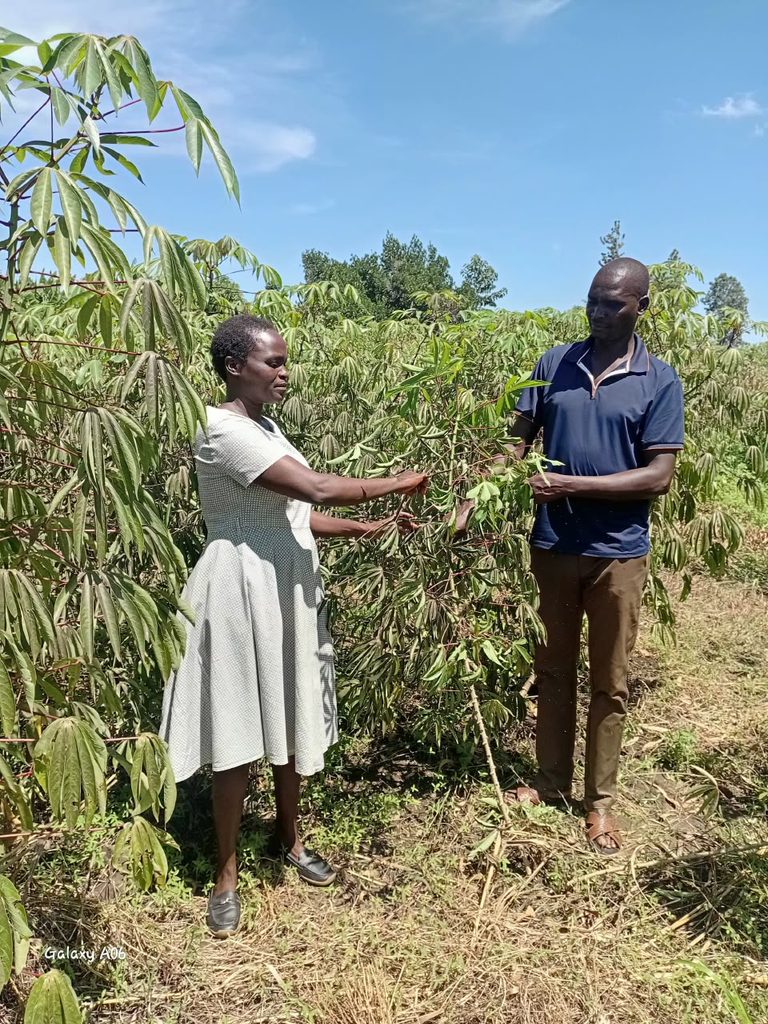
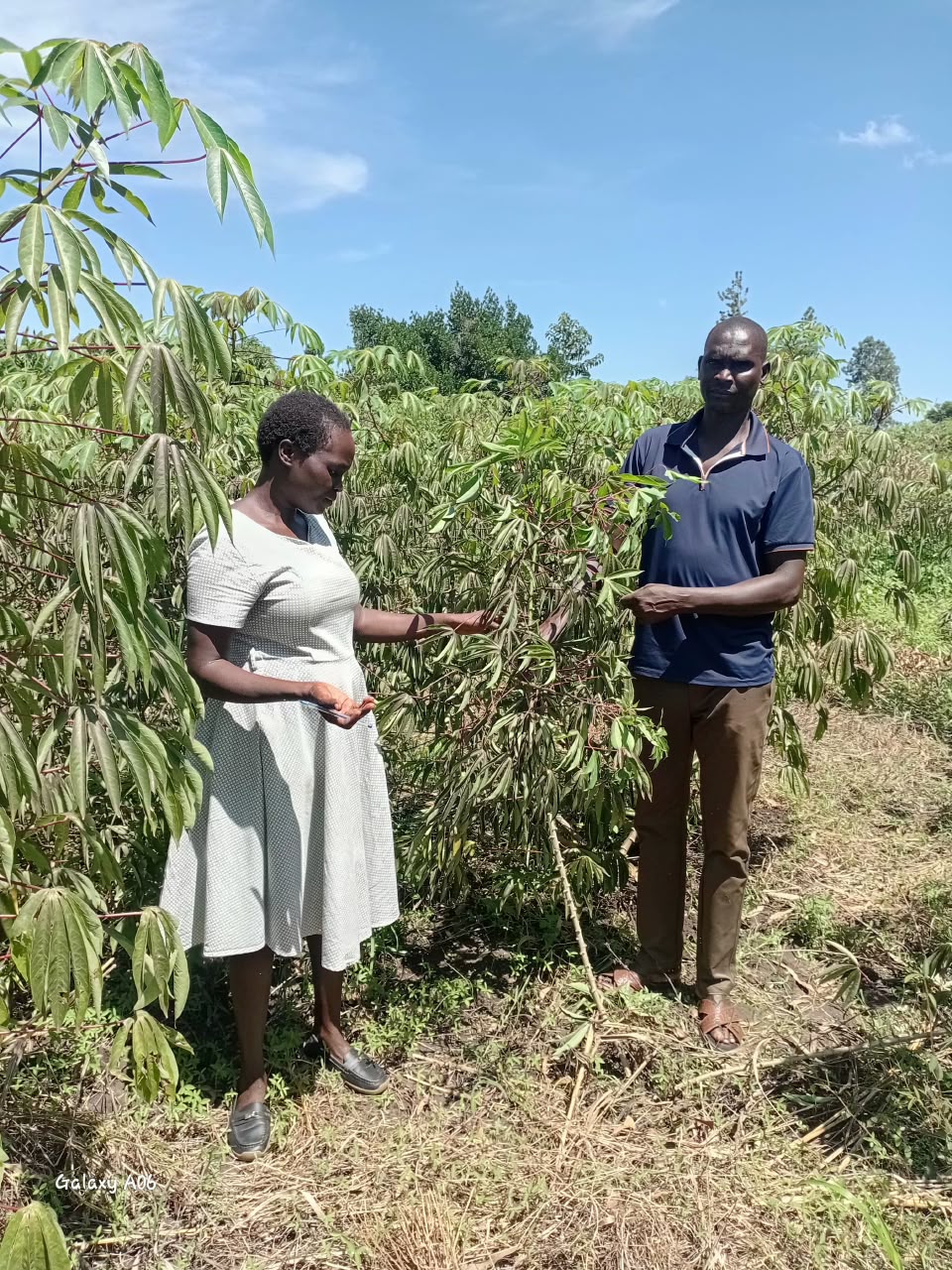
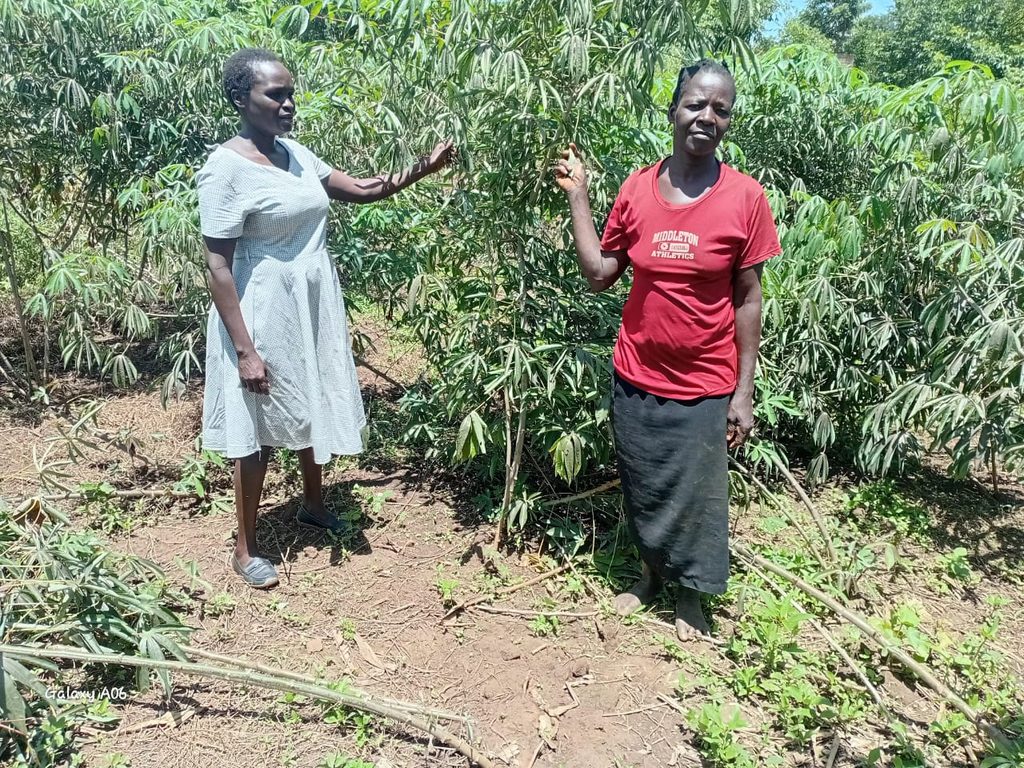
During the inspection, Mrs. Susan Onguu, together with LC1 Chairperson Belmos Alango and residents, moved through cassava plantations examining leaves and stems for signs of infestation and disease.
“The weather has become unpredictable. The droughts weaken our cassava, and then the heavy rains bring these whiteflies. They are destroying our cassava, and if we do not act fast, we risk losing our harvest and our food supply,” Onguu said.
LC1 Chairperson Belmos Alango urged farmers to remain vigilant and report unusual symptoms in their gardens, saying the problem requires a coordinated community response.
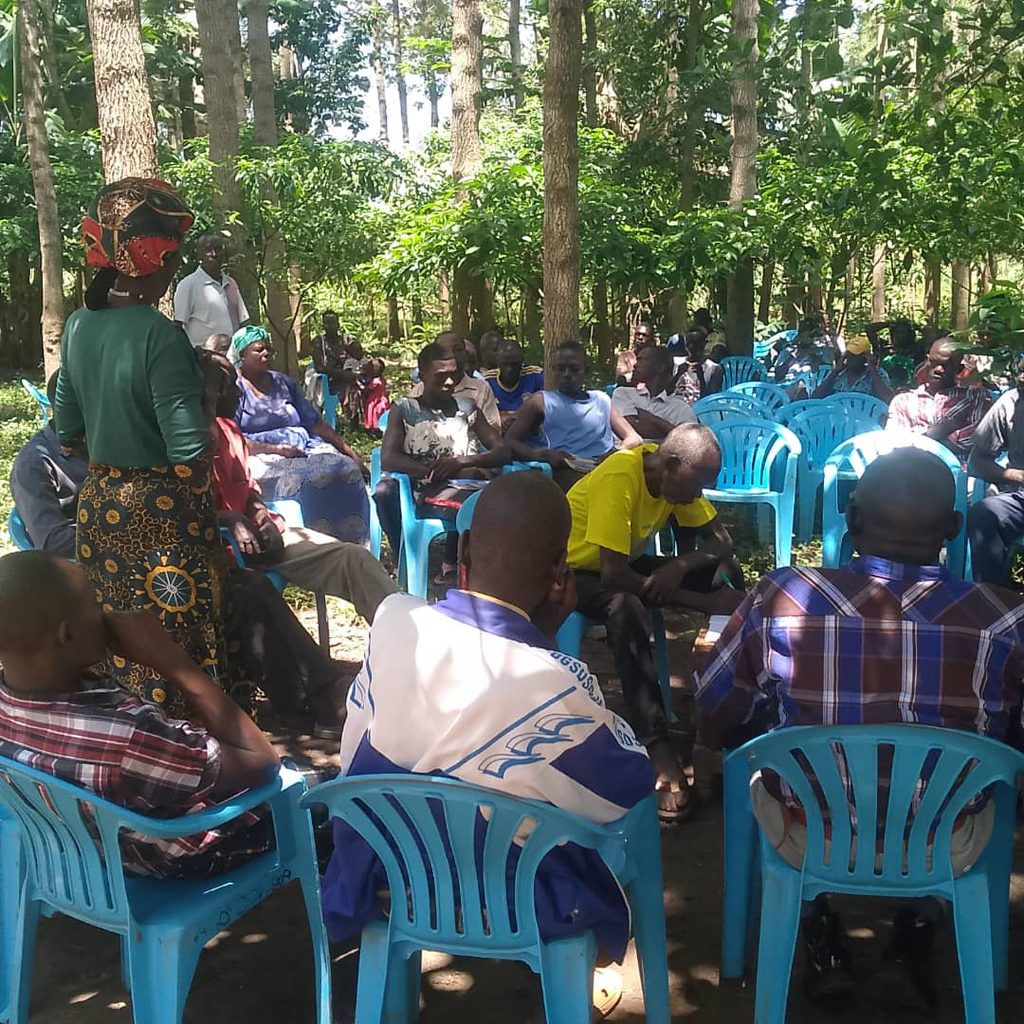
“This is not just a pest problem; it is a weather problem that has become a farming problem,” Alango said.
Oyam has already reported widespread cassava disease
The latest concerns in Akwac Cell come against the backdrop of a wider cassava disease problem already documented in Oyam.
In March 2025, the Oyam District Production Officer reported that a persistent cassava disease had been affecting farmers since 2023 and had spread across all sub-counties and town councils in the district, destroying hundreds of acres.
Farmers reported symptoms including yellowing leaves, drying stems and rotting roots, with some affected crops reportedly deteriorating within two to three weeks after infection. One farmer from Abok Sub-county said his entire two-acre cassava garden had been destroyed.
The disease has also had economic consequences. In early 2025, a sack of cassava at Oyam Main Market was reportedly selling for about UGX 50,000, down from between UGX 95,000 and UGX 100,000 the previous year, according to farmers and traders cited in the report.
Agricultural officials have previously linked the persistence of the problem partly to repeated planting of the same varieties without adequate crop rotation. Extension workers have encouraged farmers to consult agricultural officers and consider disease-tolerant varieties such as NAROCASS 1.
Lango has a history of cassava disease pressure
Research and agricultural reports have previously identified Lango as an important area affected by cassava diseases and whitefly infestation. A report on cassava production in the region identified Lira, Oyam, Dokolo, Kole, Alebtong, Amolatar and Otuke as areas where whitefly infestation and cassava brown streak disease had been observed.
More recent research shows that cassava whiteflies are particularly important because, besides directly damaging cassava plants, they can transmit major viral diseases including cassava brown streak disease and cassava mosaic disease. A 2024 NARO-linked study notes that whitefly damage alone can contribute to yield losses of up to 50 percent.
A 2025 scientific review further notes that whitefly-transmitted cassava diseases can result in extremely serious losses, with susceptible crops at risk of 70–100 percent yield loss under severe disease pressure.
Food security fears grow
The latest IPC food-security analysis covering April 2025 to February 2026 found that 273,300 people — about 16 percent of the analysed population in Lango — were facing high levels of acute food insecurity. Oyam, together with Apac and Lira City, was classified in IPC Phase 2, or Stressed, while Kole and Alebtong were classified in Phase 3, or Crisis.
The assessment attributed food-security pressures in Lango to several factors, including prolonged dry spells, erratic rainfall, flash floods, hailstorms, crop-production constraints and pests and diseases. It specifically reported that prolonged dry spells affected crop production in Oyam, Lira, Apac, Kole and Alebtong.
This means further losses in cassava could have consequences beyond individual farmers, potentially affecting household food supplies, incomes and local market prices.
Farmers call for urgent intervention
Farmers in Akwac Cell are now calling for agricultural experts and local government authorities to intensify surveillance and provide practical support, including disease diagnosis, access to clean and disease-tolerant planting materials, appropriate pest-management advice and farmer training.
Their concerns come as government and agricultural research agencies are increasing efforts to revive cassava production in Northern Uganda.
Under the proposed Integrated Cassava Industry Development Project, government plans to establish cassava processing facilities in Lira and Gulu, support cassava drying and processing in Acholi and Lango, and distribute at least 142,400 bags of certified clean cassava stem cuttings annually to smallholder farmers. The project also targets the production of at least 242,080 metric tonnes of fresh cassava roots annually for processing.
For farmers in Akwac, however, the immediate priority is saving the crop already in their gardens.
As the community awaits technical intervention, local leaders are urging farmers to report suspected disease early rather than waiting until the roots are completely damaged.
Agricultural authorities will also need to establish whether the symptoms being observed in Akwac are caused by cassava brown streak disease, cassava mosaic disease, whitefly damage or another condition before recommending specific treatment.
For a region where cassava remains an important source of food and household income, farmers say the message is simple: the longer the disease goes unchecked, the greater the threat to both harvests and livelihoods.