
 Voice of Lango
Voice of Lango
Voice of Lango
30 December 2025, 4:47 pm
By Odota Adubango Moureen
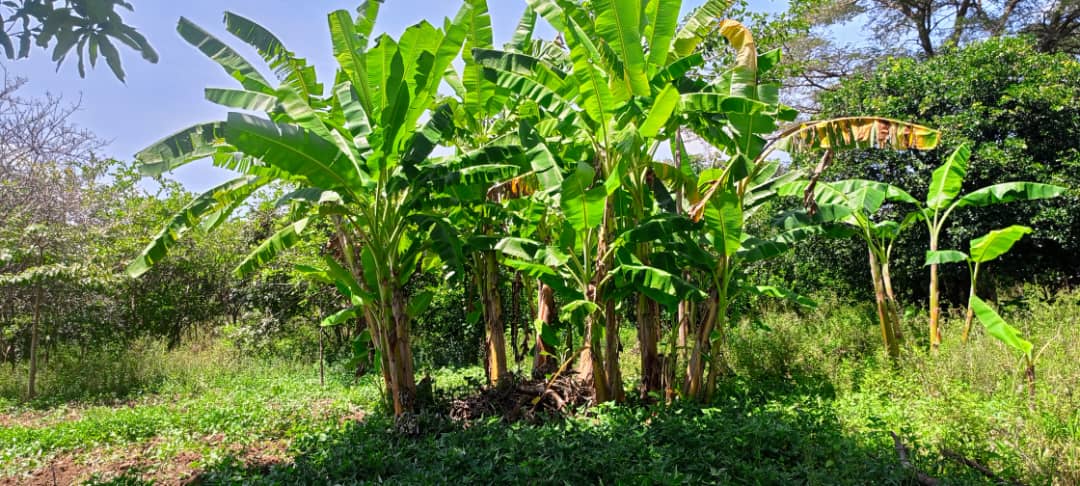
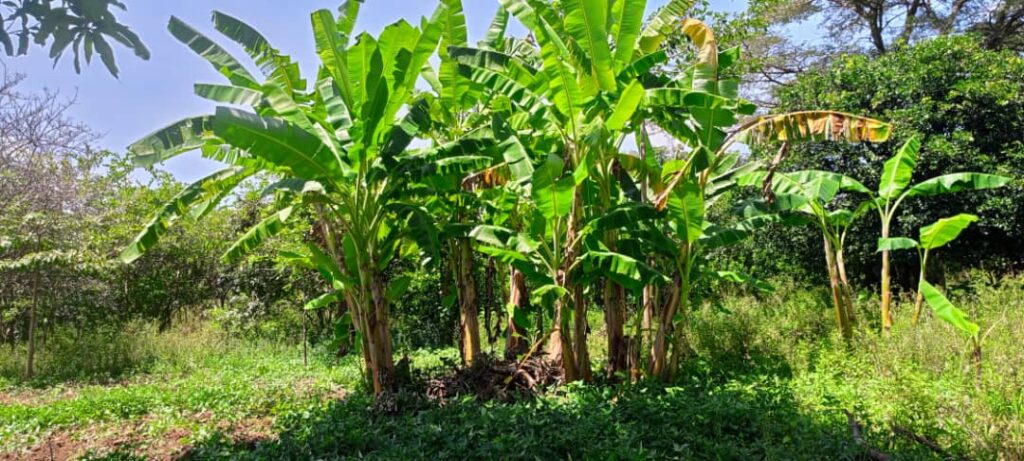
Farmers in Alebtong and Lira districts in the Lango sub-region, Northern Uganda are increasingly adopting agroforestry as a climate-smart approach to improve crop yields, restore degraded soils, and enhance resilience to changing weather patterns.
In Barwot Village, Orit Parish, Agweng Sub County in Lira District, 40 farmers under the Lonyo Dag Nyeko Farmers’ Group are practising agroforestry with support from Kijjani Forestry, the International Union for Conservation of Nature (IUCN), Farm Radio International, and other partners.
The group chairperson, Ketty Adong, said members are conserving indigenous tree species while planting fruit trees such as avocado, jackfruit, citrus, and mango, alongside timber trees like pine and Gmelina.
She explained that integrating trees with crops has improved soil fertility, boosted household incomes, and strengthened resilience to climate variability.
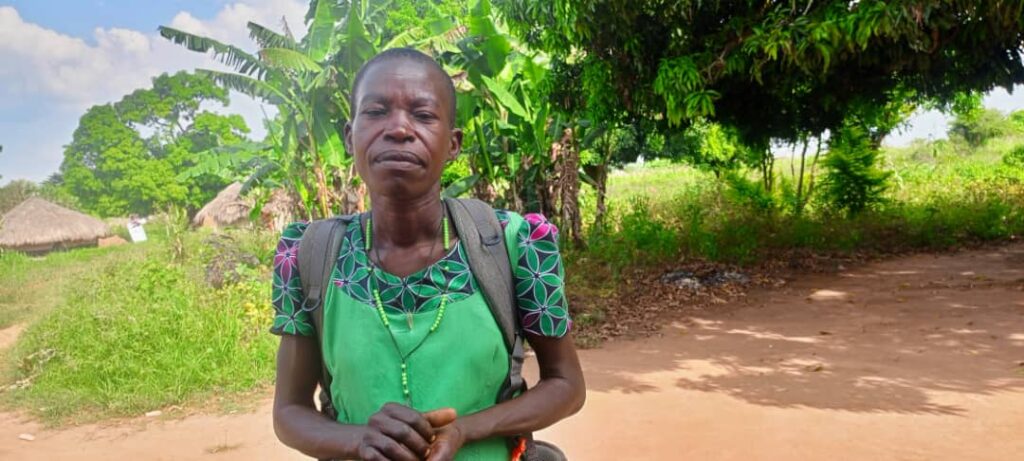
A group member, Paska Justine Okabo, who grows pine trees alongside crops, said agroforestry plays a key role in soil conservation and provides building materials, shade, and income from timber and firewood.
She added that trees also improve air quality by filtering pollutants, contributing to a healthier environment.
However, she noted that limited land ownership rights for rural women continue to constrain the expansion of agroforestry activities.
The area LC1 Defence Secretary, Tony Omara, observed that the area now receives more rainfall compared with the post–Lord’s Resistance Army war period, when widespread deforestation disrupted local climate patterns.
He added that renewed reforestation and agroforestry efforts are gradually helping to restore ecological balance.
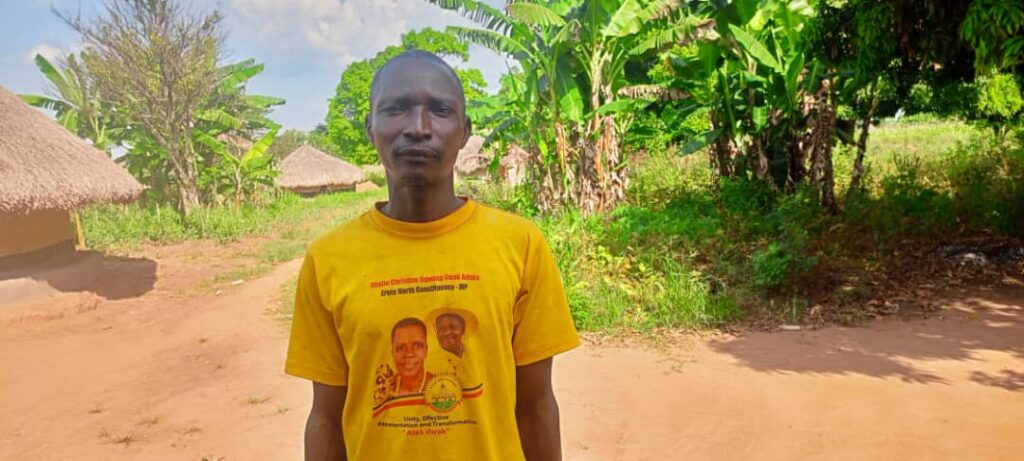
In Awielem Village, Orit Parish, Agweng Sub County, another group of 30 farmers under the Orit North Farmers’ Group is also integrating fruit and timber trees with seasonal crops, receiving support and training from Kijjani Forestry and IUCN.
The group chairperson, Sam Ogwal, said that since 2018, members have been planting mangoes, oranges, jackfruit, and timber species while conserving indigenous trees.
He noted that these efforts have enhanced soil fertility, revived biodiversity, and contributed to improved rainfall patterns.
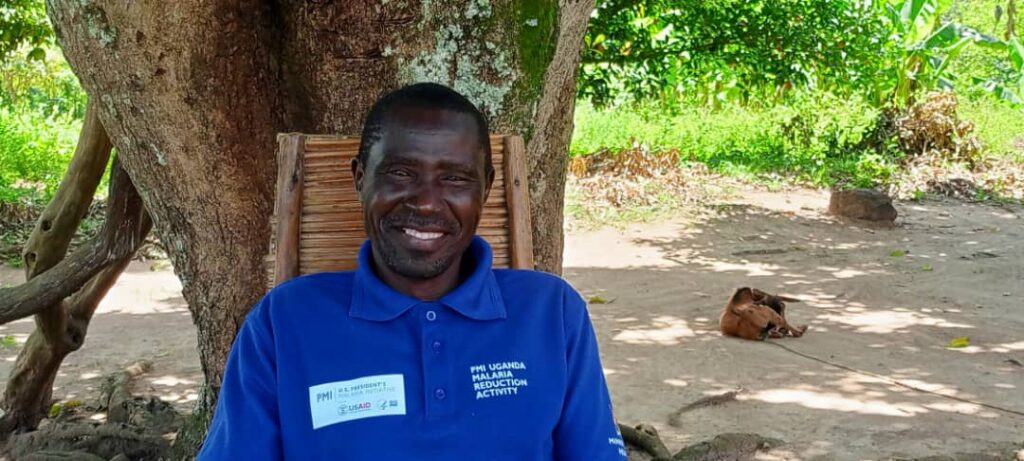
Ajwang Flo, a group member, said agroforestry has enabled her to earn additional income through the sale of jackfruit and citrus fruits, while cassia trees have provided roofing materials for her home.
Another member, Judith Babirye, said she earns income from selling mature trees at UGX 40,000 each, which has helped improve her family’s well-being.
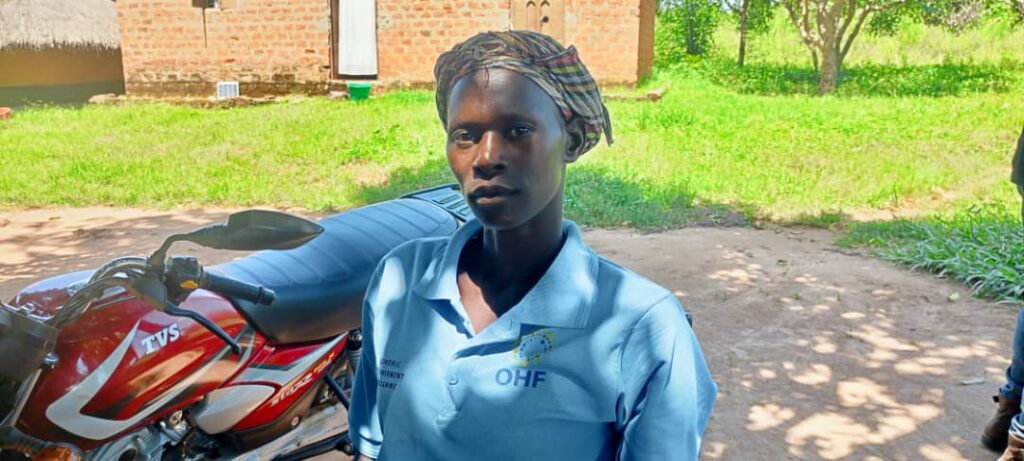
In Alebtong District, farmers under the Alebelebe Farmers’ Group in Alebelebe Village, Omarari Parish, Omoro Sub county, are also practising agroforestry to restore soils and prepare for future timber production.
Okwany Richard, a member of the group, said they are growing trees alongside crops with support from Kijjani Forestry, Farm Radio International, and the district environment department.
He noted that improved rainfall patterns are already being experienced, which farmers attribute to tree planting, and they anticipate future income from timber and charcoal.
Another group member, Okote Sam Bob, said soil fertility has improved as a result of agroforestry practices, enhancing food security and supporting household livelihoods through tree-based products.
Alebtong District Forestry Officer, Stephen Oboko, said the forestry department, with support from IUCN and Kijjani Forestry, is training farmers to raise seedlings of trees such as Grevillea, Calliandra, fruit trees, and indigenous species.
He explained that these efforts aim to curb deforestation, enhance climate resilience, and improve soil health and agricultural productivity.
He added that trees grown alongside crops support nitrogen fixation, provide fodder for livestock, and supply timber, firewood, and poles, thereby boosting incomes while protecting the environment.
Lira District Natural Resources Officer, Otike Pabious, noted that forest cover in the district has declined over the years and currently stands at just 8.9 percent.
He said the district is partnering with non-governmental organisations, farmers, and the Ministry of Water and Environment to support reforestation efforts.
To conserve the remaining tree cover, Otike added that the district is implementing an environmental ordinance designed to curb tree cutting and regulate the trade in forest products.
Ogwang David Omega, the Kijjani area coordinator for the Lira cluster, which includes Lira City, Alebtong, Dokolo, Amolatar, Kaberamaido, Kalaki, and Lira districts, said that since 2021, the organisation has worked with about 40,000 farmers in 30 parishes across Lango.
He explained that farmers are trained in tree planting and management with support from technical staff.
He added that farmers who sign contracts with Kijjani Forestry receive an annual incentive of UGX 100 per tree that survives for one year, and UGX 200 per tree after two years and beyond.
Ogwang further explained that once the trees mature, Kijjani Forestry plans to purchase the timber and also train farmers in sustainable charcoal production from other tree species, providing additional income opportunities while promoting climate-smart land use.
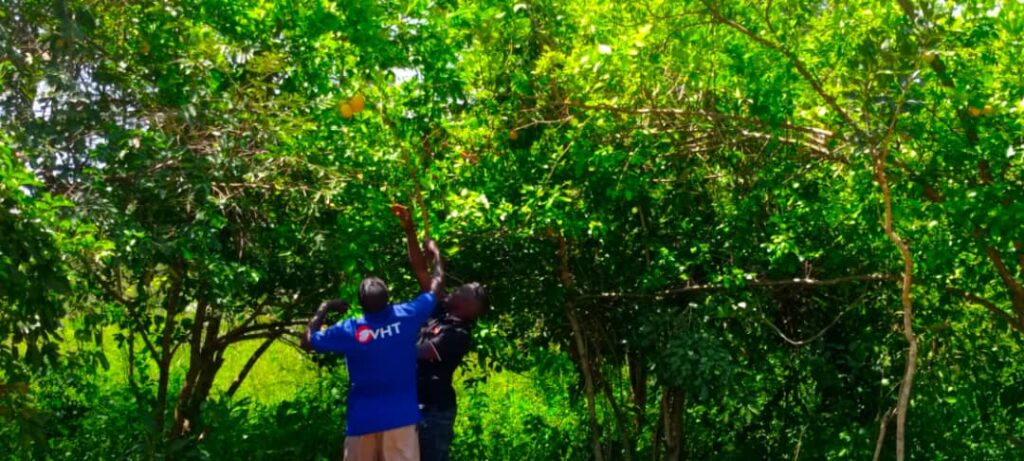
This story was supported by ACME (Africa Centre for Media Excellence) in partnership with Climate Smart Jobs Uganda (CSJ.