
 Voice of Lango
Voice of Lango
Voice of Lango
6 February 2026, 11:20 am
By Oyugi Emmanuel
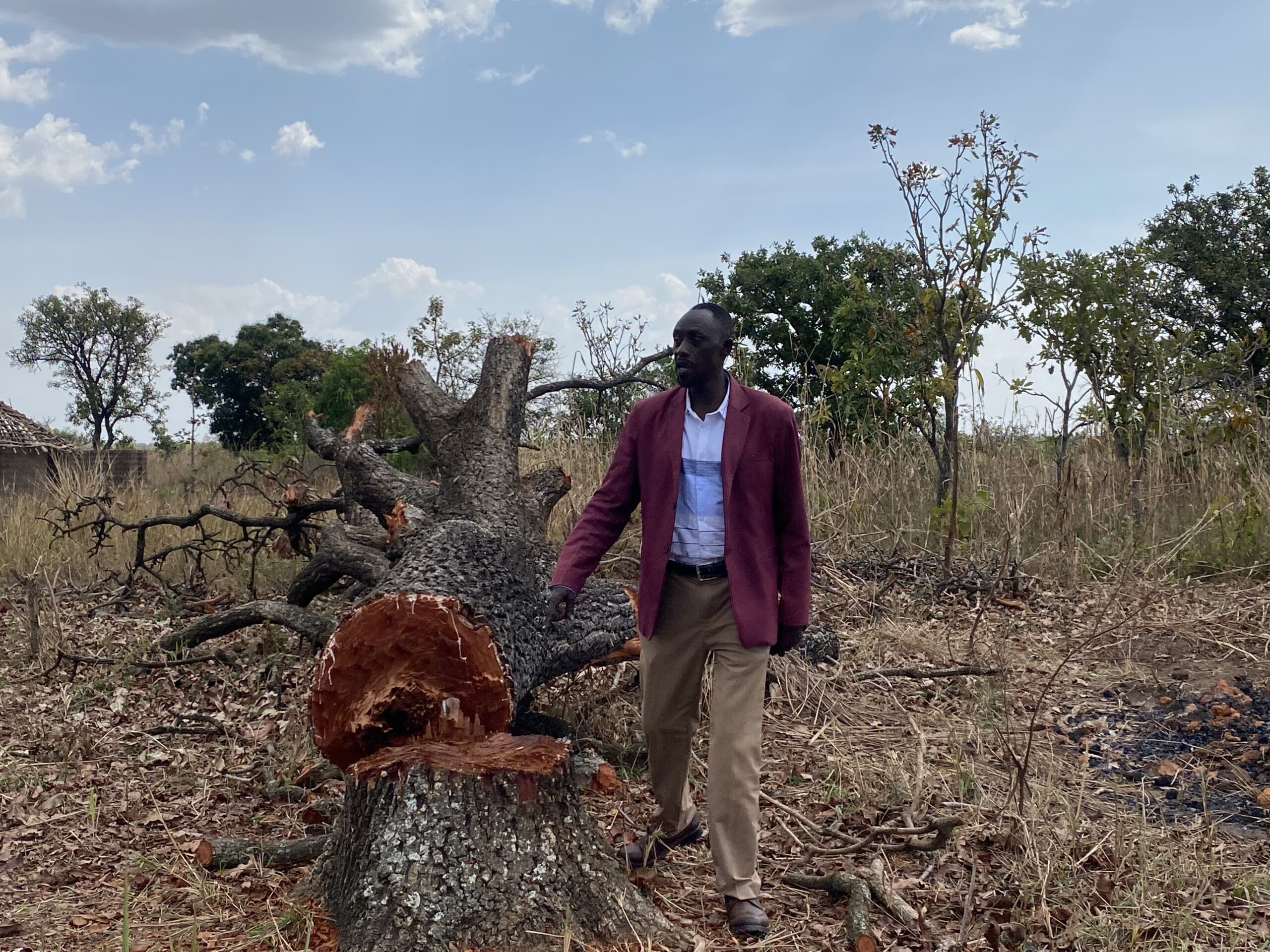
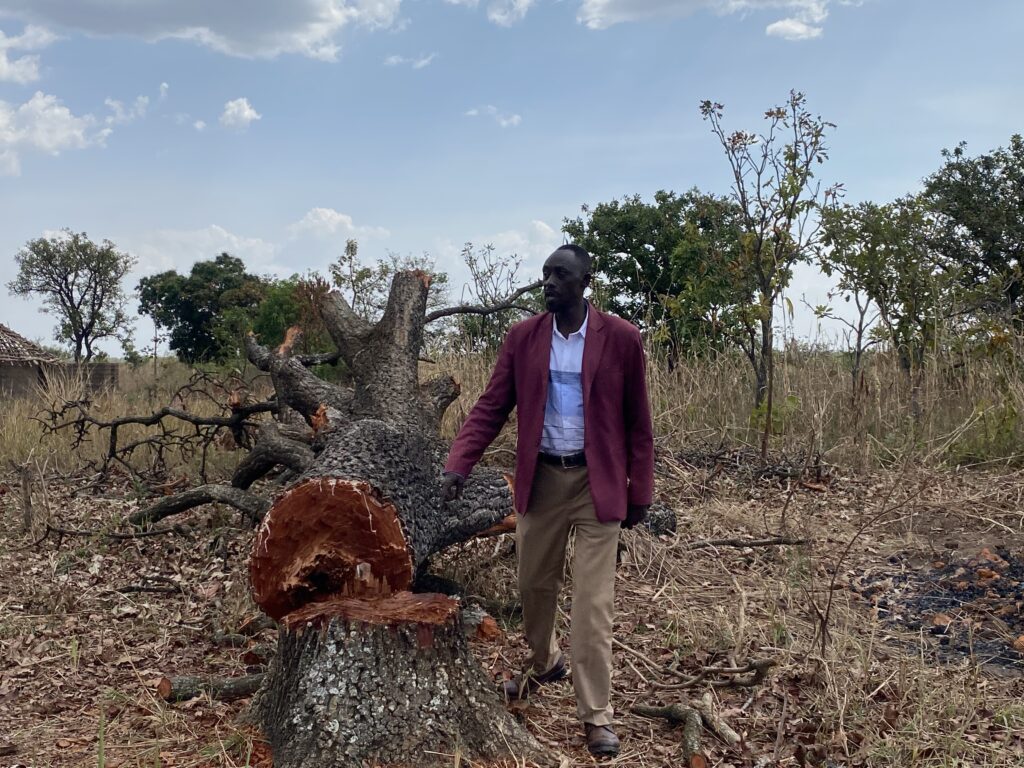
Leaders of Otuke District have issued a stern warning to residents against cutting down shea nut trees for charcoal, citing serious environmental and climate consequences.
The warning was delivered during a meeting of district and local leaders held yesterday in Barjobi Sub County, following a surge in cases of shea tree destruction in the area.
Otuke Resident District Commissioner (RDC), Eric Massiga, urged local leaders to step up community sensitisation on the ecological, economic, and climate benefits of shea trees, which are increasingly threatened by widespread deforestation.
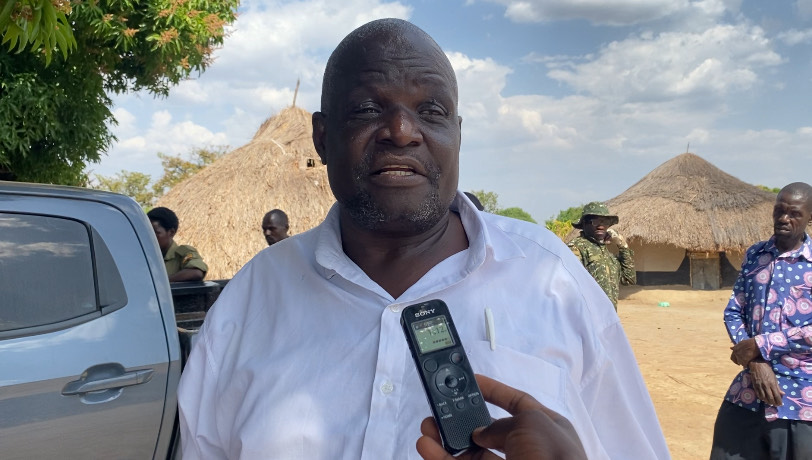
Massiga emphasised that the continued felling of shea trees undermines environmental conservation efforts and contravenes the presidential directive prohibiting the cutting and burning of shea trees for charcoal. He warned that strict legal action would be taken against anyone found destroying this protected species.
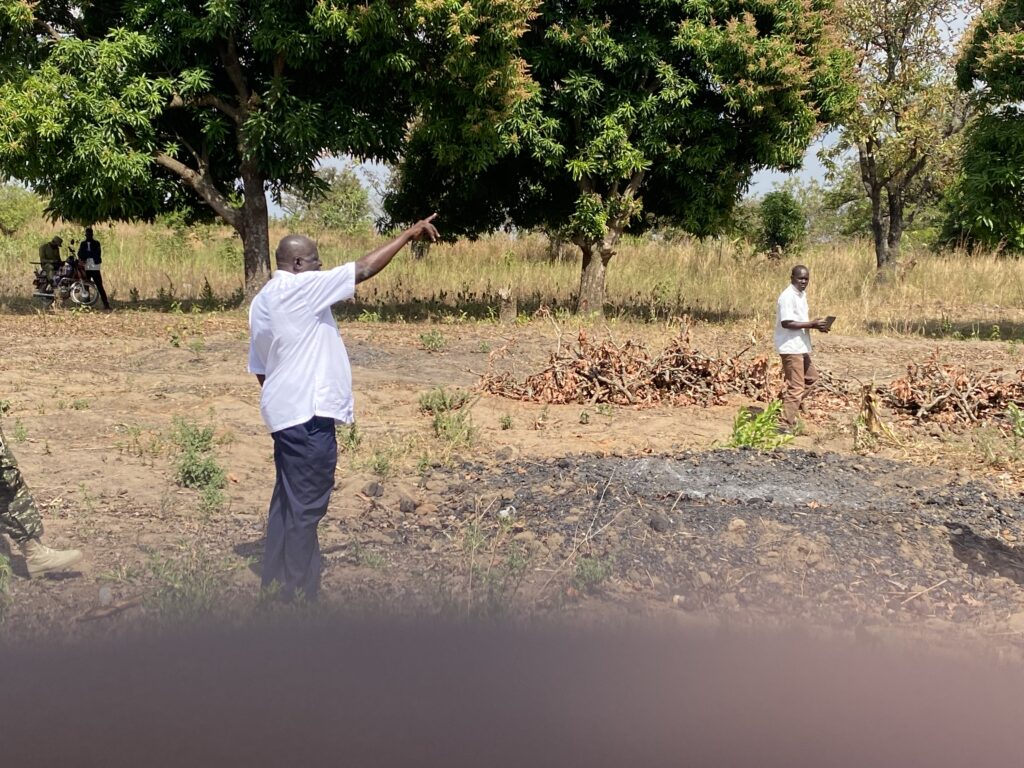
The Assistant RDC of Otuke District, Isaac Opio Opeo, revealed that over 100 shea trees have been felled in Aminacak A Village, Ogoro Parish, Barjobi Sub county alone.
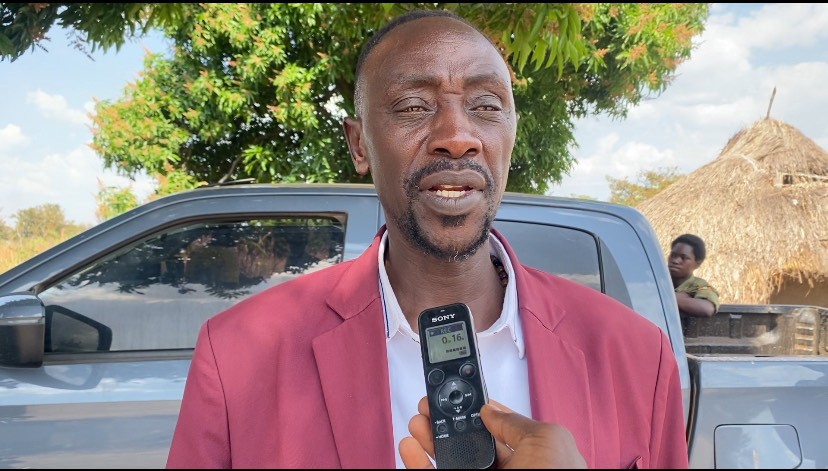
He attributed the recent surge in illegal tree cutting to the election period, during which enforcement and monitoring were weakened as leaders were heavily engaged in political activities.
Otuke District Forestry Officer, Ocen Isaac, said his department has been conducting routine community sensitisation on the importance of shea trees, their role in climate resilience, and the legal consequences of their destruction.
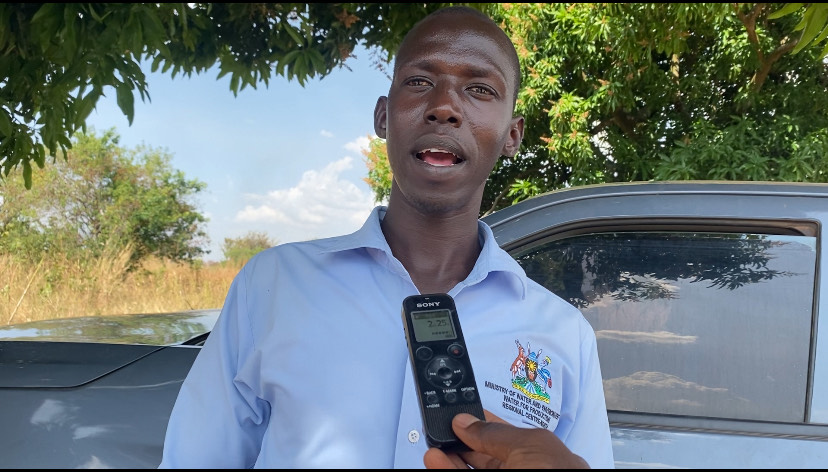
He noted that shea trees contribute significantly to biodiversity conservation, soil protection, and household livelihoods.
Ocen further explained that under the National Forestry and Tree Planting Act 2003, anyone found guilty of destroying protected tree species faces a penalty of up to three years’ imprisonment, a fine of 600,000 shillings, or both.
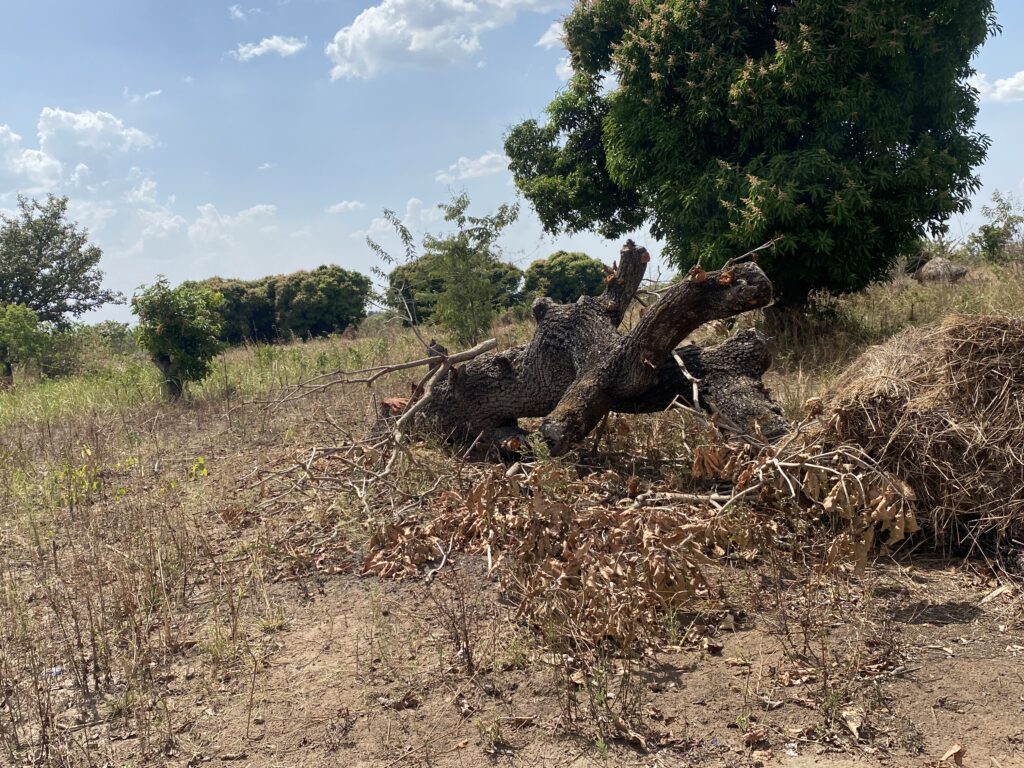
Meanwhile, the LC3 Chairperson of Barjobi Sub county, Ojok Aruca Daniel, pledged to launch intensified enforcement operations to curb the illegal felling of shea trees for charcoal production.
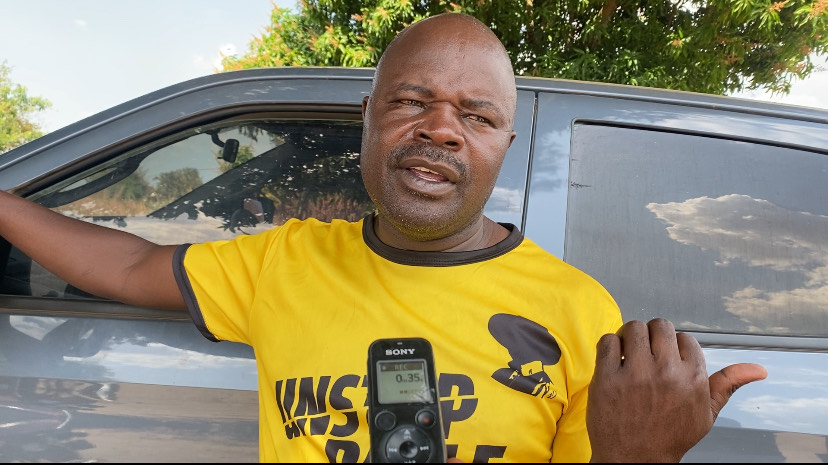
Areas of Aminacak A, B, and C in Ogoro Parish, Barjobi Sub county, have been identified as major hotspots for shea tree destruction in Otuke District, raising concerns over long-term environmental degradation and the loss of vital tree species.
However, it remains unclear whether the sensitisation efforts on the dangers of cutting shea trees will be effective, as local community members reportedly went into hiding for fear of arrest when district leaders arrived to conduct the awareness meeting.
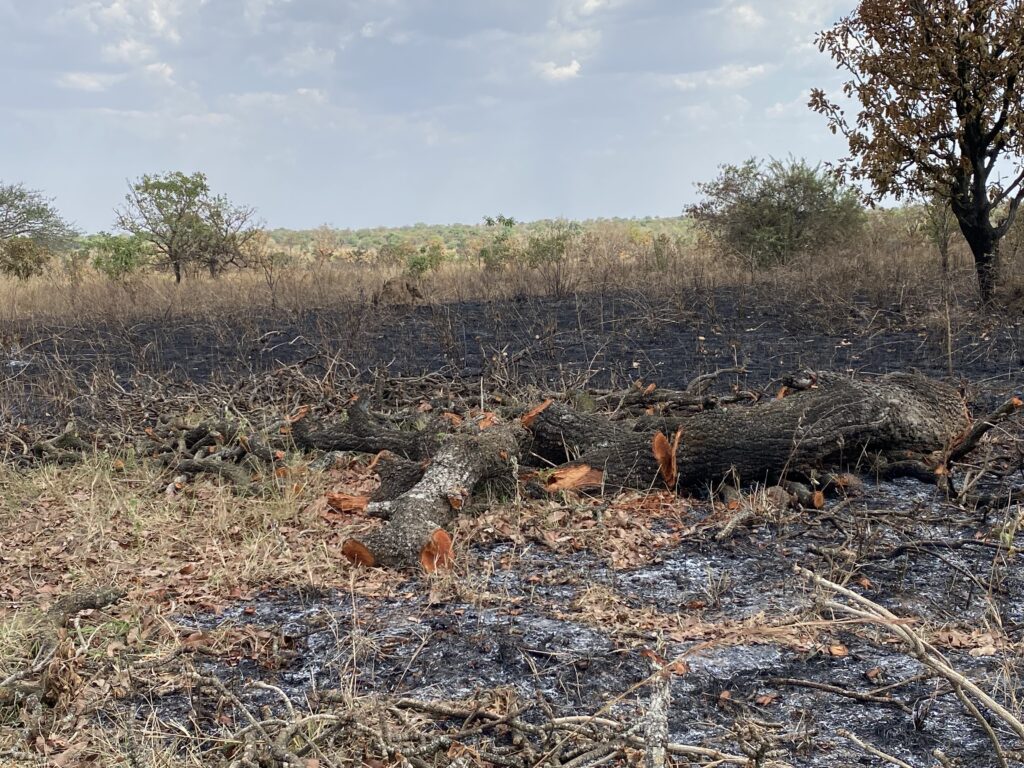
Shea trees (Vitellaria paradoxa) are vital for both livelihoods and the environment.
They provide raw materials for skin and hair products, cooking butter, and herbal medicine, while also enhancing climate resilience and stabilising ecosystems.
Otuke District lies within Uganda’s shea belt, which spans several northern and eastern districts.
In these regions, both government agencies and non-governmental organisations have stepped up conservation efforts following reports of increasing shea tree destruction for charcoal and firewood.
On 19 May 2023, President Yoweri Kaguta Museveni issued Executive Order Number Three, banning the cutting and trade of endangered indigenous tree species, including shea trees, to curb deforestation and environmental degradation.
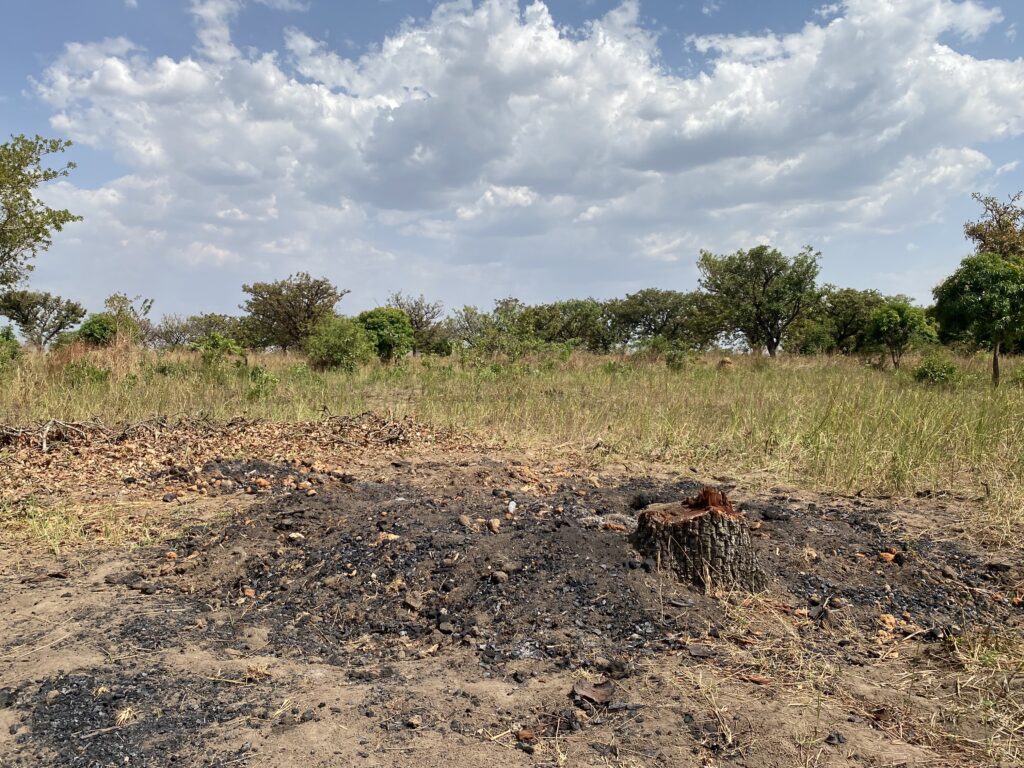
Despite the ban, destruction persists in Otuke District, as the hardwood is highly valued for charcoal and firewood that burns longer, placing the species under severe pressure.
Currently, Equity Bank Uganda, in collaboration with UKAID and the Ministry of Energy and Mineral Development, has rolled out affordable financing to accelerate the nationwide adoption of electric cooking (eCooking) technologies.
The financing, provided through the Modern Energy Cooking Services (MECS) Trust Fund, is designed to increase access to clean, efficient cooking solutions for households and businesses, while also supporting the growth of eCooking enterprises.
The Fund targets households, small and medium-sized enterprises (SMEs), micro-businesses, importers, manufacturers, and institutions participating in approved government programmes, with financing starting from UGX 30 million.