
 Voice of Lango
Voice of Lango
Voice of Lango
19 February 2026, 1:00 pm
By Oboke Micheal
Lira City Environment Officer Leonard Otika said the city is partnering with the Ministry of Energy and Mineral Development to promote smart cooking solutions, including briquettes, as a strategy to protect the environment.
However, he noted that 95% of residents in Lira City still rely on charcoal and firewood for cooking, placing immense pressure on trees and contributing to widespread deforestation.
Most residents continue to depend on charcoal and firewood as their primary cooking fuel, largely due to a lack of awareness about eco-friendly briquettes.
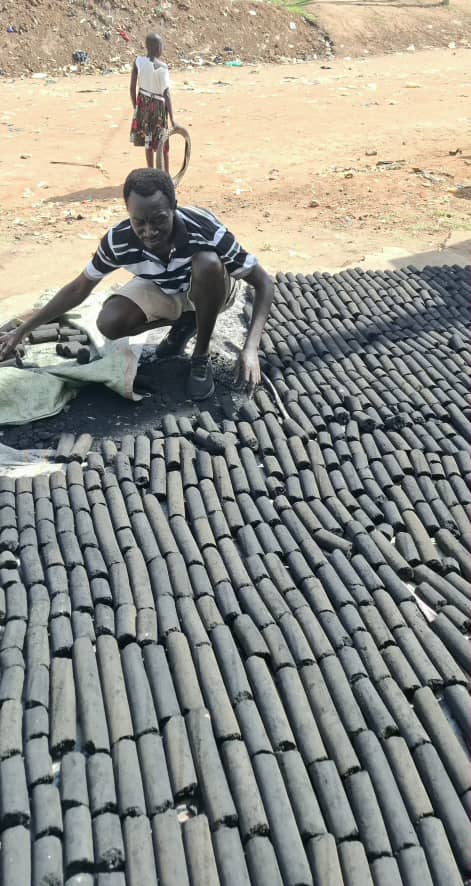
Ambrose Olima, proprietor of Shambie Packages in Teso Bar, Lira City West Division, which produces briquettes, said adoption remains low in Lira City because of limited public sensitisation.
He called for widespread awareness campaigns on the use of briquettes, emphasising that they are environmentally friendly, affordable, and beneficial for both health and the environment.

Lira City Environment Officer Leonard Otika said the city is partnering with the Ministry of Energy and Mineral Development to promote smart cooking solutions, including briquettes, as part of efforts to protect the environment.
However, he noted that 95% of residents in Lira City still rely on charcoal and firewood for cooking, placing considerable pressure on trees and contributing to widespread deforestation.
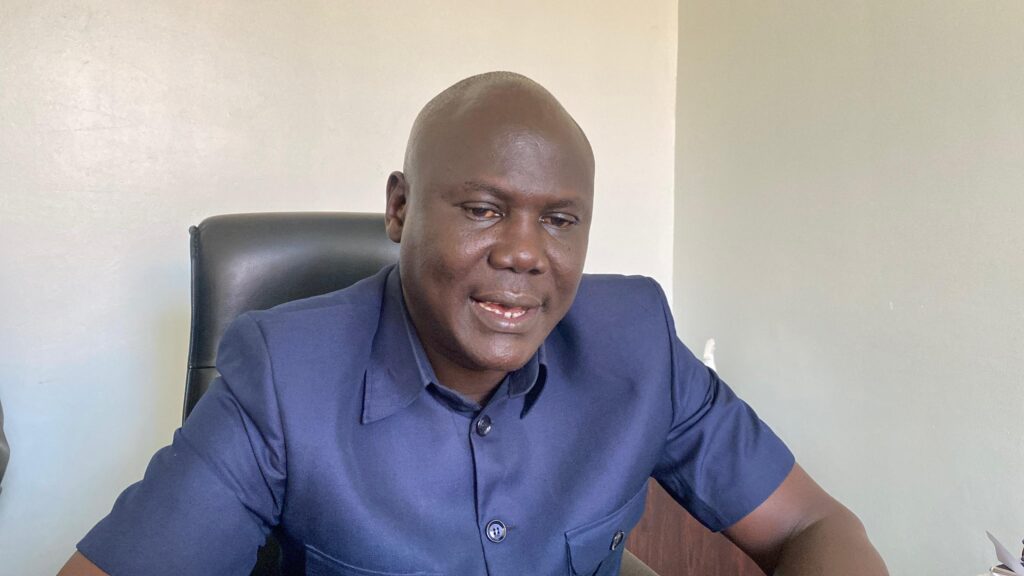
Otika added that the city is exploring partnerships with companies producing smart cooking stoves and briquettes to raise public awareness of their use.
Briquettes are made from readily available materials such as maize cob residues, wood shavings, cassava flour, and soil.
Using briquettes reduces pressure on trees for charcoal and firewood, helping to conserve forests, lower greenhouse gas emissions, and promote sustainable cooking practices.
According to the 2024 National Housing and Population Census report released by the Uganda Bureau of Statistics, 65 % of households in Uganda use firewood as their main cooking fuel, while 28.2 % rely on charcoal, highlighting the country’s heavy dependence on traditional biomass for cooking.