Take buffer zones seriously, communities along lakes and rivers urged
Take buffer zones seriously, communities along lakes and rivers urged
28 August 2026, 7:17 am
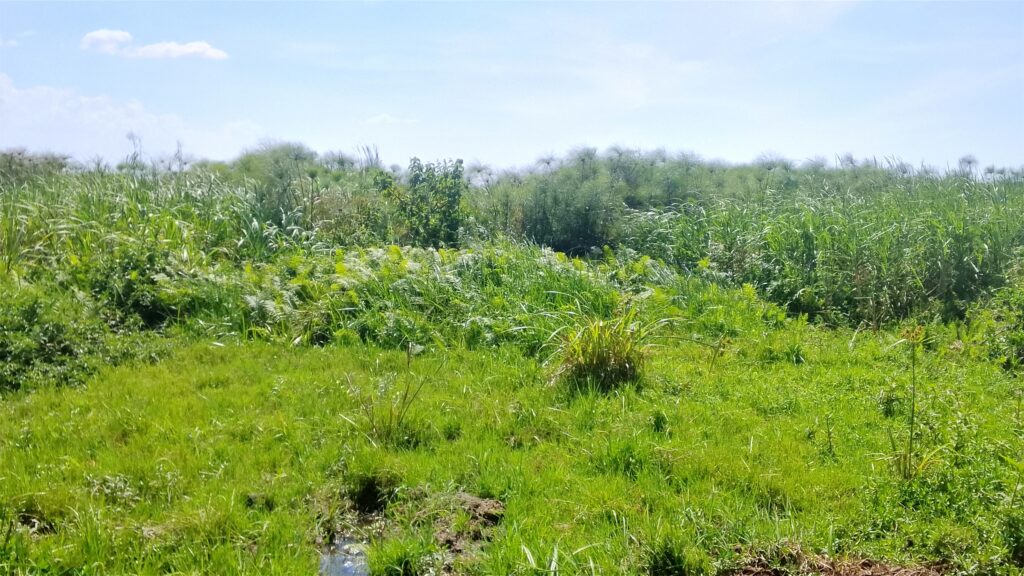
The buffer zone, measuring about 100 metres from Lake Kyoga, at Kasongwoile Landing Site.
By Ali Lukomo
According to Buyende District Environment Officer, Mrs Namuddu Rebecca, buffer zones not only help protect the environment and mitigate the effects of climate change, but also facilitate the filtration of water into water bodies.
In an interview, Namuddu said communities living around water bodies often take pride in their proximity to lakes and other water sources. However, human activities such as farming can degrade buffer zones and destroy the vegetation that plays an important role in filtering water and protecting the water bodies.
She said buffer zones need to be protected because when water levels rise excessively, communities living in such areas may be forced to relocate naturally or permanently displaced from their homes.
Namuddu also warned that aquatic life is affected when buffer zones are destroyed or removed because they serve as important feeding and breeding areas for fish and other aquatic animals.
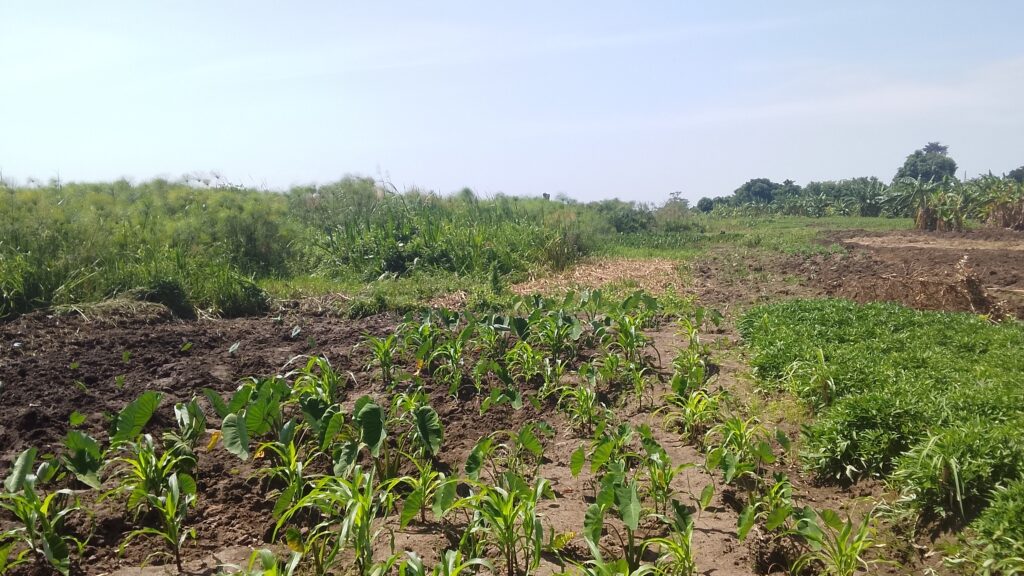
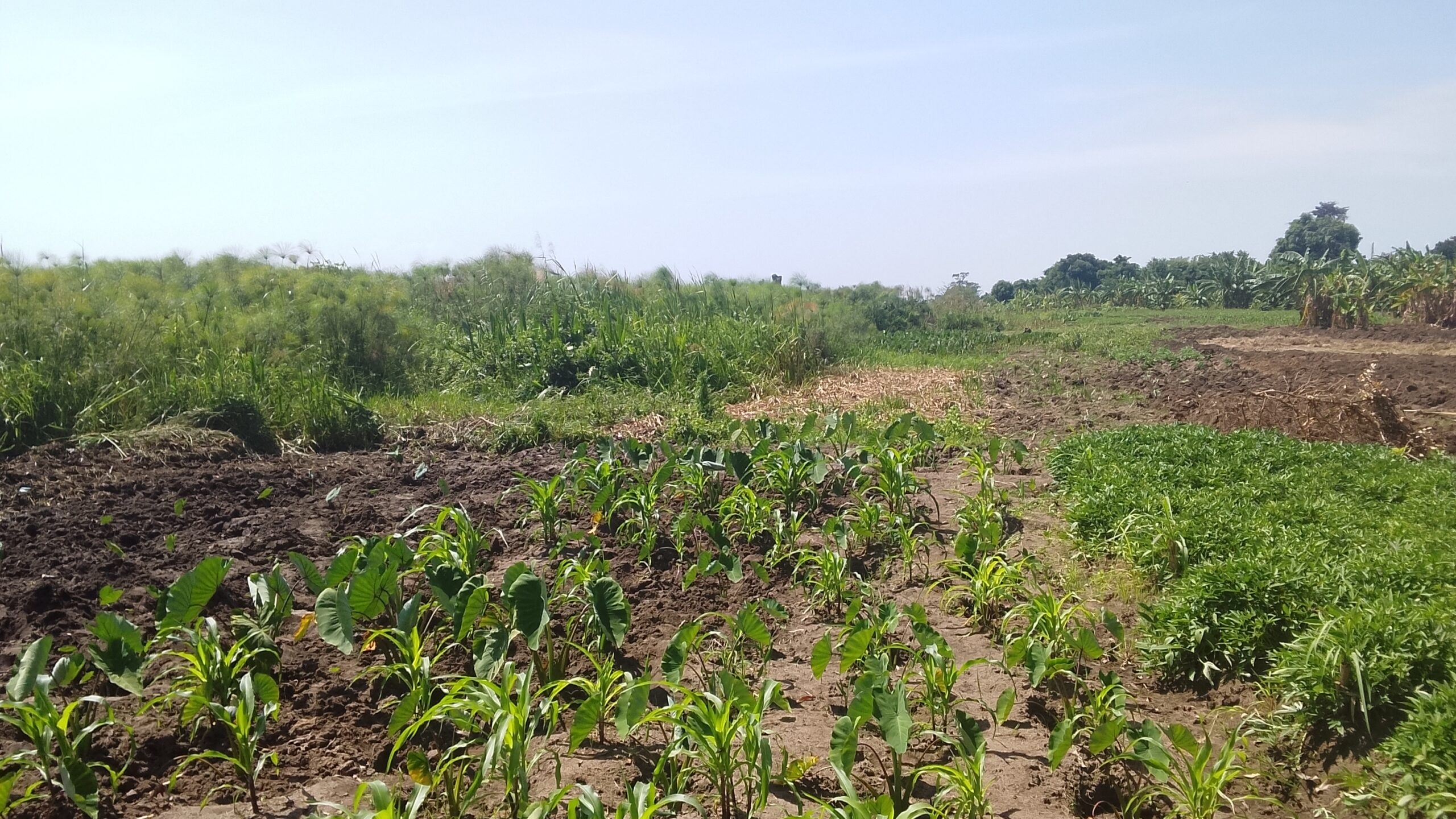
Human activities along the buffer zone at a landing site in Nkondo Sub-county.
According to Namuddu Rebecca, this is not advisable. Instead, she encouraged communities living around buffer zones to plant more trees, while ensuring they are not planted too close to the water bodies to protect the surrounding land.
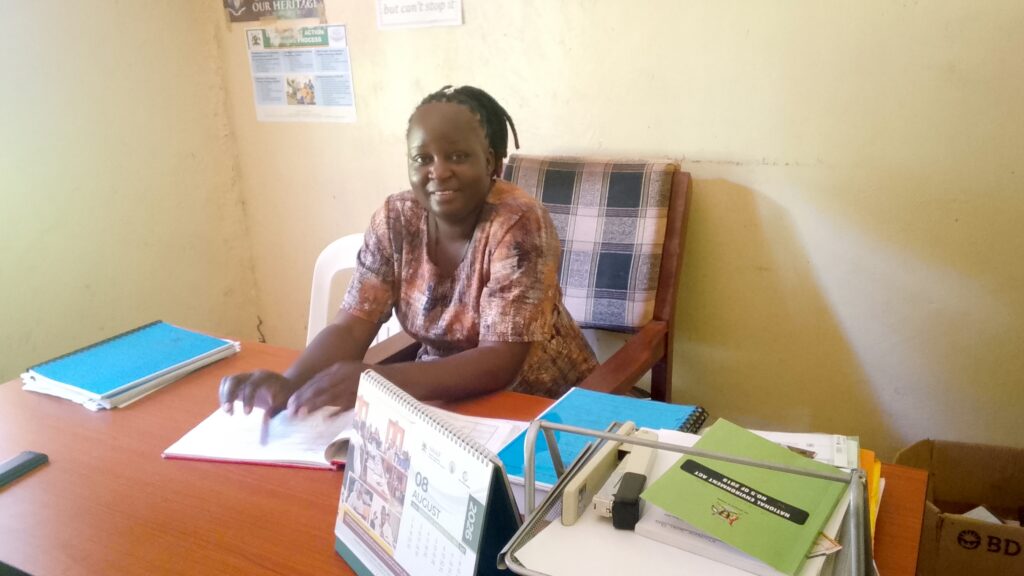
The District Environment Officer during an interview.
The buffer zones have recommended distances in accordance with guidelines issued by the National Environment Management Authority (NEMA).
Mrs Namuddu Rebecca speaking in Lusoga and English about the importance of protecting buffer zones.
A buffer zone is a protected strip of land between human activities and a water body. In Uganda, the legally protected distance is 200 metres from the shores of Lake Victoria and other major lakes, and between 30 and 100 metres from riverbanks, depending on the river. Permanent structures are not permitted within these zones without approval from the National Environment Management Authority (NEMA).
Erosion control: Roots help hold riverbanks and shorelines together, while grass and trees slow down surface runoff, reducing erosion and preventing shorelines from collapsing. The inner 50 metres are considered critical for protecting the physical and ecological integrity of water bodies.
Flood control: Buffer zones act as natural sponges by storing excess water during heavy rainfall and releasing it gradually. When these areas are encroached upon, flooding can worsen. This was evident in 2020, when rising water levels affected homes and beaches in areas such as Munyonyo and Entebbe.
Biodiversity habitat: Buffer zones provide important breeding and feeding grounds for fish, birds and other wetland species. They are essential for the survival of lakes and serve as a natural barrier between water bodies and human activities on land.
Water quality and temperature: Vegetation provides shade that helps keep water temperatures lower, supporting aquatic life such as tilapia. When vegetation is removed, water temperatures can rise, contributing to increased algal growth, reduced oxygen levels and the spread of invasive species such as water hyacinth.
Livelihood protection: Buffer zones help protect fishing communities and landing sites, safeguard clean water sources used by the National Water and Sewerage Corporation (NWSC), and reduce the risk of communities being displaced by flooding. This is why districts such as Nakasongola are demarcating buffer zones using concrete pillars.

 Ssebo FM