 Ssebo FM
Ssebo FM
Ssebo FM
31 August 2026, 10:13 pm
Ali Lukomo
Encroachment on wetlands, forests and other water catchment areas is threatening environmental conservation and disrupting natural processes that regulate rainfall and local climate, authorities have warned.
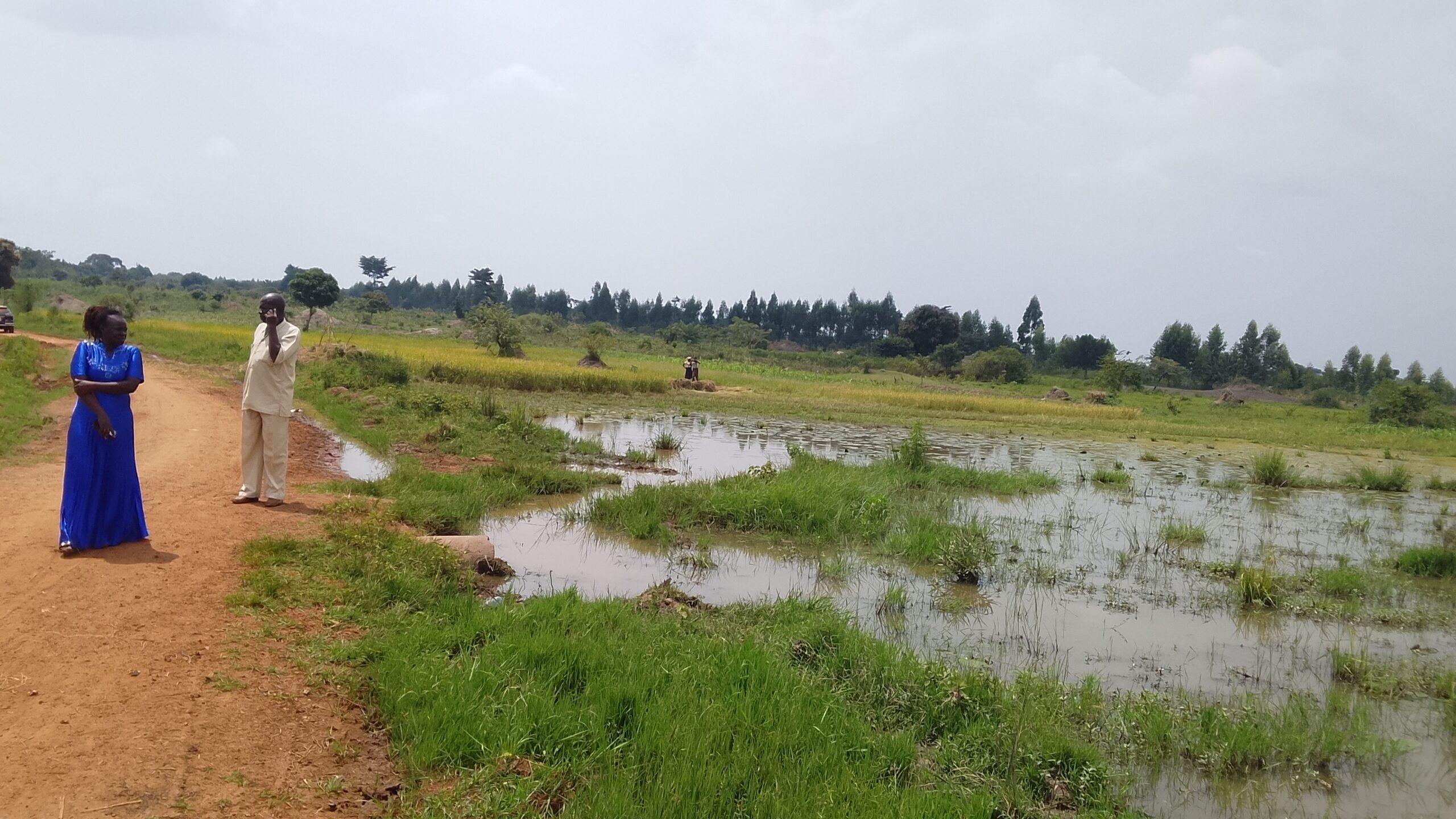
Mrs. Bernardet Kumwidilwo, Vice Chairperson of Buyende District, said activities such as rice cultivation in wetlands were contributing to the degradation of waterlogged areas that play an important role in the water cycle.
She urged communities to adopt climate-smart agricultural practices and stop cultivating crops in wetlands.
Kumwidilwo also called on residents to support government efforts to protect wetlands and other environmentally sensitive areas, suggesting alternative activities such as fish farming where appropriate.
Meanwhile, environmental concerns have also been raised in Jinja City and Njeru, where commercial developments, including hotels and other buildings, have been established along areas surrounding Lake Victoria and the Victoria Nile, reducing natural vegetation and green cover.
Environmental degradation through forest encroachment is also contributing to increased carbon emissions and weakening the ability of forests to regulate local temperatures and water systems.
Forests absorb carbon dioxide and release moisture into the atmosphere through evapotranspiration, helping to regulate temperature and the water cycle. Their destruction can increase heat, surface runoff, soil erosion and the risk of flooding, while contributing to less predictable rainfall patterns.
The continued loss of forests and wetlands could also affect food production as farmers increasingly face unpredictable weather conditions, prolonged dry spells and intense rainfall.
In Jinja and surrounding areas, environmental degradation is already raising concerns over urban heat, flooding, dust and pressure on natural resources.
Authorities and environmental stakeholders are calling for stronger protection of forest and wetland boundaries, restoration of degraded ecosystems, promotion of agroforestry and adoption of alternative sources of energy to reduce dependence on charcoal.
They say protecting wetlands and forests is critical to strengthening communities’ resilience to the growing impacts of climate change.