
 Ssebo FM
Ssebo FM
Ssebo FM
7 September 2026, 10:04 am
By Ali lukomo
The Government is promoting irrigation as a climate-smart approach to agriculture by providing farmers with irrigation equipment to sustain production during prolonged dry spells.
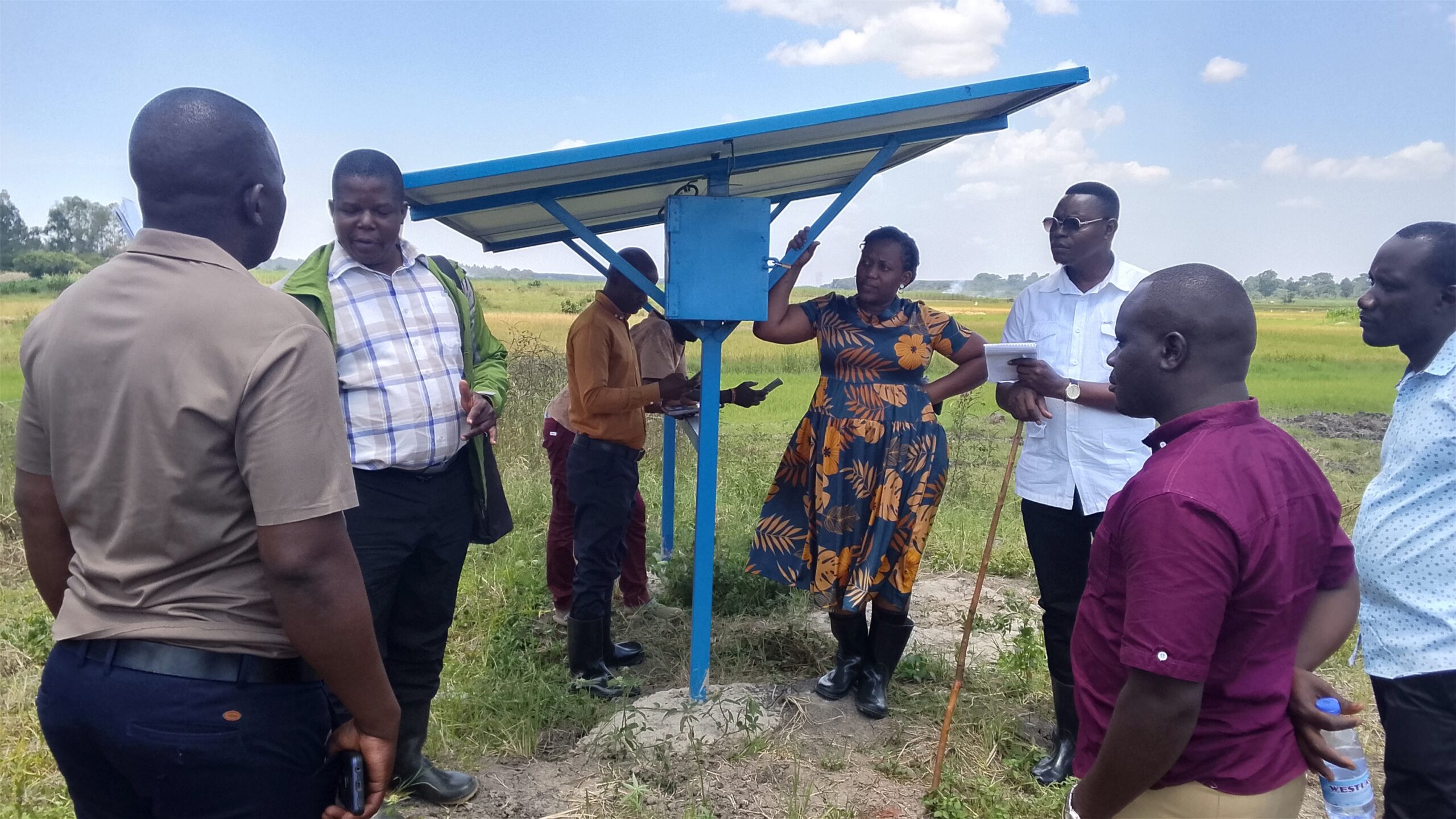
Farmers in Buyende District have officially been allowed to use irrigation equipment provided under the Government programme to help them cope with unpredictable rainfall and prolonged dry seasons.
According to Buyende Resident District Commissioner Mwidu Kalikwani, the irrigation system is intended to bridge the gap during dry seasons, particularly as prolonged dry spells continue to affect different parts of the country, including Buyende District.
The programme, funded by the Government of Uganda under the Financial Year 2025/2026 budget, has an allocation of UGX 770 million. Under the programme, farmers are supported to acquire irrigation equipment, with each farmer required to contribute 25 per cent of the total cost.
The cost of an irrigation equipment unit ranges from approximately UGX 23 million to UGX 28 million.
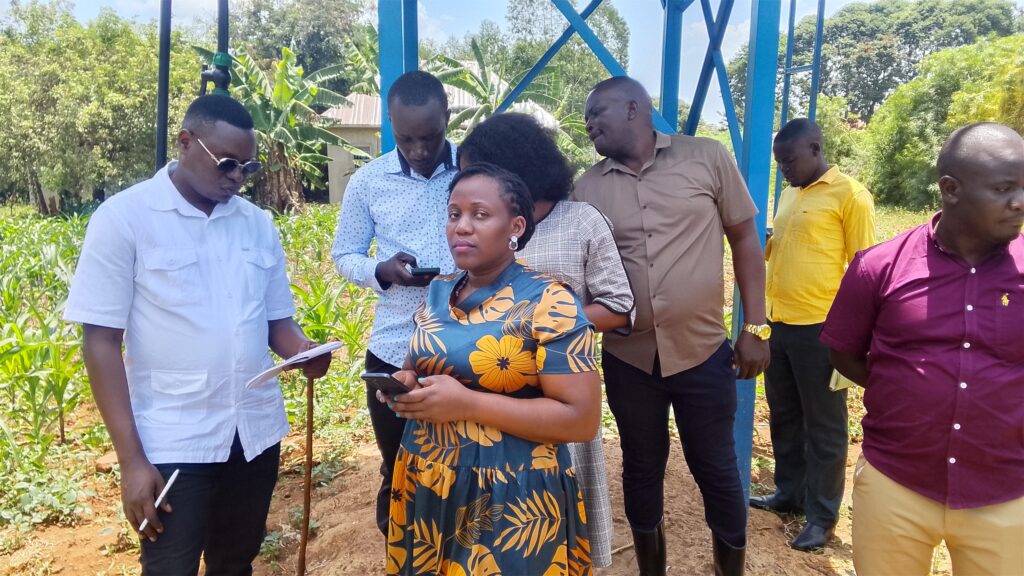
During a monitoring exercise, farmers expressed appreciation for the programme, particularly its role in enabling them to continue agricultural production during prolonged dry seasons. They said irrigation provides a reliable source of water, reducing their dependence on unpredictable rainfall while helping to improve food production and household incomes.
Farmers also noted that irrigation enables them to produce crops when market supply is relatively low, allowing them to access better prices and improve the profitability of their agricultural enterprises.
However, despite the positive response, a number of challenges were observed. One of the major concerns raised by farmers was the 25 per cent co-funding requirement, which remains relatively high for many low-income farmers. Given that irrigation equipment costs between UGX 23 million and UGX 28 million, a farmer’s contribution can amount to approximately UGX 5.75 million to UGX 7 million, making participation difficult for some potential beneficiaries.
Another concern was the limited participation of young people in the programme. During the monitoring exercise, all the beneficiaries visited were aged above 50. This raises concerns about the sustainability and intergenerational transfer of agricultural enterprises, particularly at a time when many young people are seeking opportunities for employment and income generation.
The RDC recommended deliberate mobilisation and sensitisation of young people to encourage them to take advantage of opportunities provided through irrigation-supported agriculture.
He also called for a review of the 25 per cent co-funding requirement, particularly for low-income and vulnerable farmers, to enable more households to participate in the programme. He suggested that flexible financing arrangements or other mechanisms could be considered to make irrigation equipment more accessible to farmers.
Buyende District Engineer Matai Banakola said the Government is investing in irrigation because the equipment serves multiple purposes. He explained that the water can be used for domestic purposes, crop production and watering livestock.
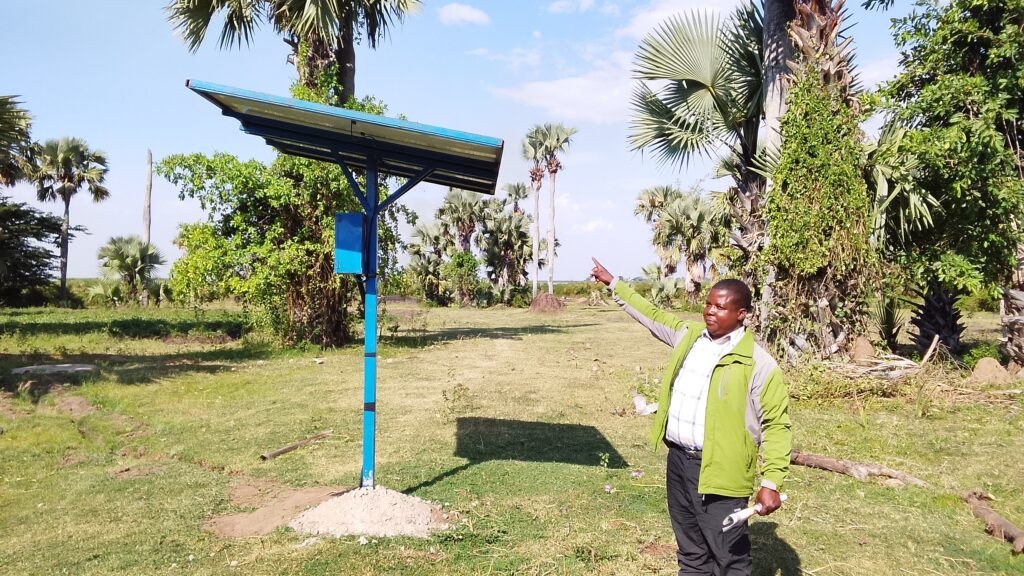
Furthermore, beneficiaries should be encouraged to move beyond subsistence farming and invest in high-value, market-oriented crops, including coffee and cocoa, alongside other suitable crops. This would enable farmers to maximise the benefits of irrigation, increase household incomes, create employment opportunities and contribute to the economic transformation of communities in Buyende.
Therefore, the Microscale Irrigation Programme presents a significant opportunity to transform agriculture in Buyende District by enabling farmers to produce throughout the year, withstand the effects of prolonged dry seasons and access more profitable markets.
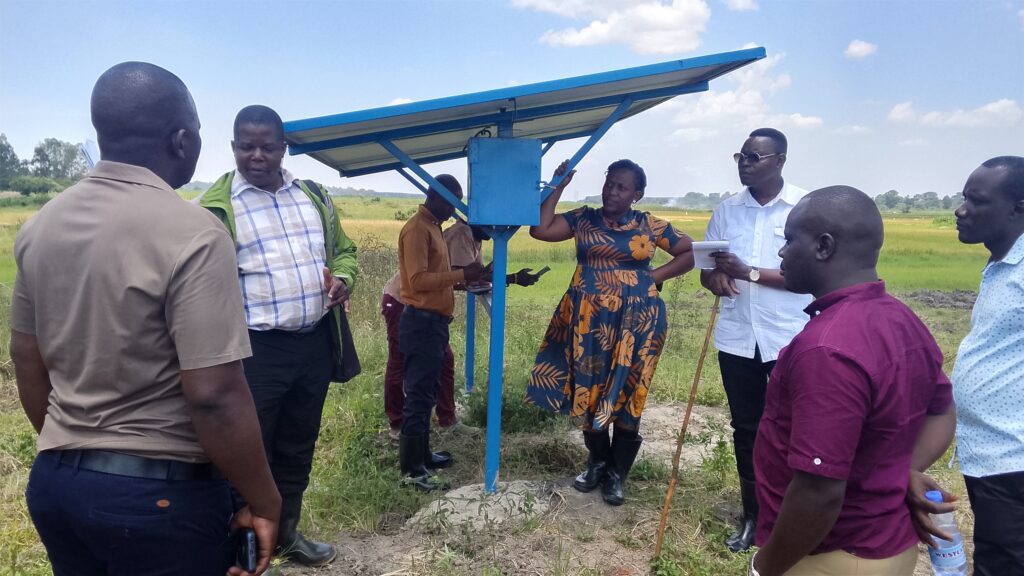
However, for the programme to achieve its full potential, greater youth participation, affordable co-funding arrangements for farmers and a stronger focus on high-value commercial agriculture will be essential.