
 Voice of Lango
Voice of Lango
Voice of Lango
30 April 2026, 6:25 pm
By Joshua Olomo
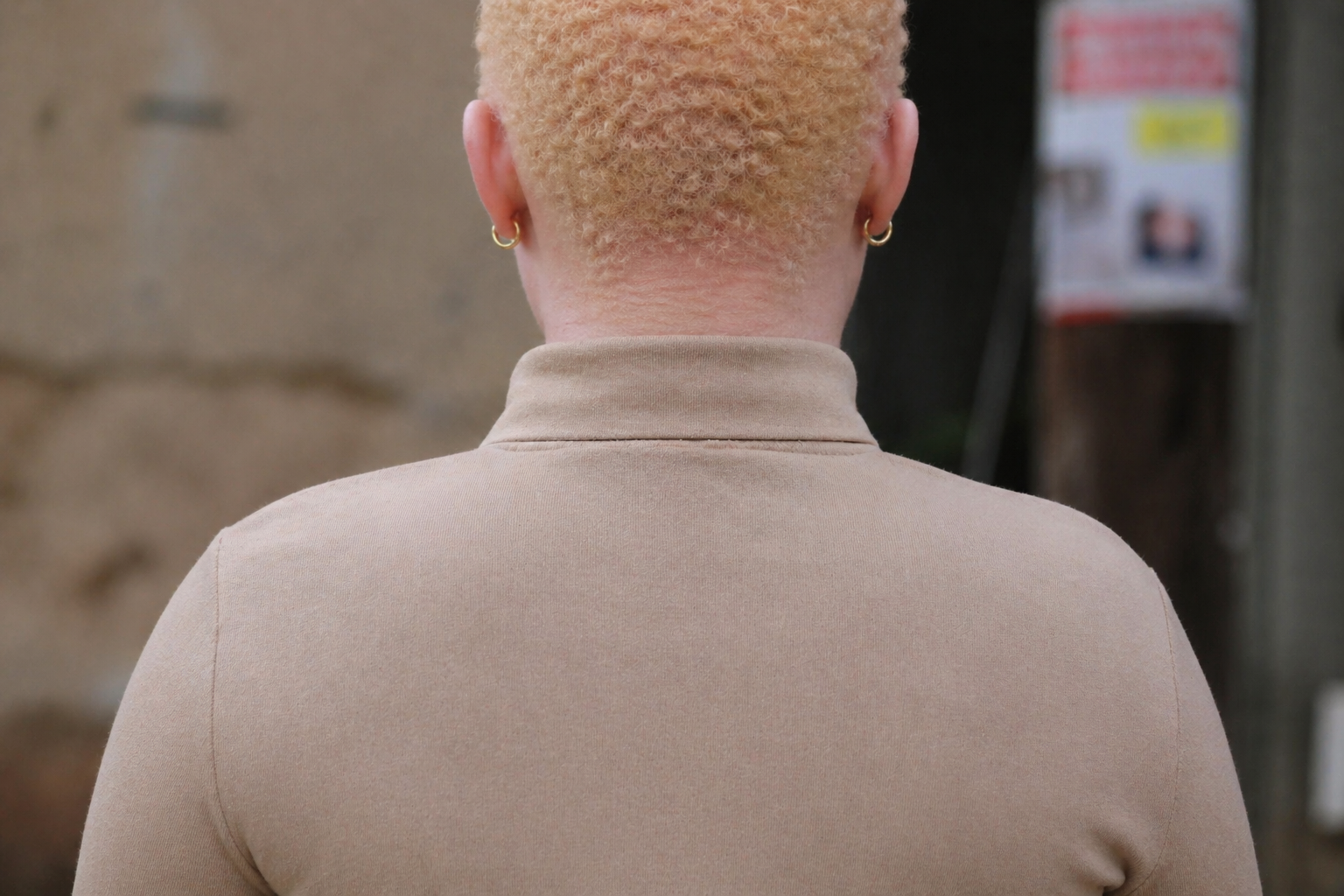
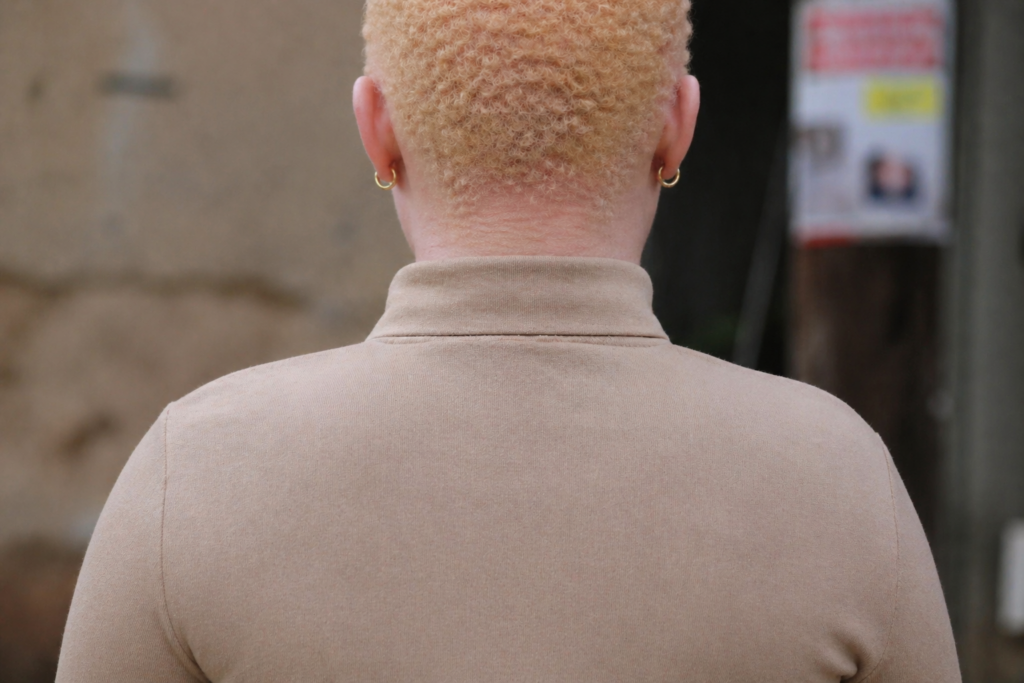
Climate change is increasingly undermining access to healthcare and amplifying environmental health risks among women with disabilities, particularly persons with albinism in Lira District and Lira City.
These concerns emerged during a recent stakeholders’ dialogue organised by the Lira District Disabled Women’s Association (LIDDWA) at their offices near Corner Works in Lira City East Division.
The discussion focused on findings from a study titled “Survey on Planetary Health and Women with Disabilities’ Lived Experiences of Climate Impacts on Health Equity.”
The research examined how climate variability and environmental stressors are shaping healthcare access and health outcomes for women with disabilities.
According to LIDDWA Chairperson, Zola Beatrice Apio, the study engaged 19 women living with albinism and explored their experiences with access to safe and clean water, availability of government support, and the challenges faced during climate-induced events such as extreme heat, prolonged dry spells, and shifting environmental conditions.
“The findings reveal that women with disabilities, especially those with albinism, are disproportionately affected by climate change. Limited access to clean water, increased exposure to extreme weather, and weak social protection systems are compounding existing health vulnerabilities,” said Zola Apio.
Women living with albinism highlighted urgent climate-related health concerns, including heightened exposure to ultraviolet radiation, increased risk of skin damage, and other dermatological complications linked to rising temperatures and prolonged sun exposure.
Martha Awor, a participant living with albinism, called for strengthened climate-resilient health systems, including the recruitment of dermatologists and improved integration of disability-inclusive approaches in climate and public health programs.
“We need more dermatological services within our health facilities to respond to climate-related skin conditions. It is also critical that persons with disabilities are meaningfully included in government programs addressing climate and health challenges,” Awor stated.
Local government officials acknowledged the environmental and health concerns raised and committed to integrating the recommendations into district planning processes.
Lira District Community Development Officer, Christine Anono, emphasised the need for inclusive climate governance and equitable access to services, noting that persons with disabilities must be fully integrated into all development and climate adaptation strategies.
Meanwhile, Geoffrey Ariko, a biostatistician representing the District Health Officer, indicated that the district would review key recommendations from the study, including improving physical and communication accessibility in health facilities and recruiting sign language interpreters.
Lira District Planner, Hendry Omoo, further underscored the importance of allocating dedicated resources to support disability-inclusive climate adaptation and strengthen health system resilience.
The dialogue underscored the escalating intersection between climate change, environmental stressors, and health inequities, highlighting the urgent need for inclusive, climate-responsive health policies that prioritize vulnerable populations, particularly women with disabilities.