
 Radio Apac
Radio Apac
Radio Apac
31 August 2026, 8:39 am
By Daniel Odongo
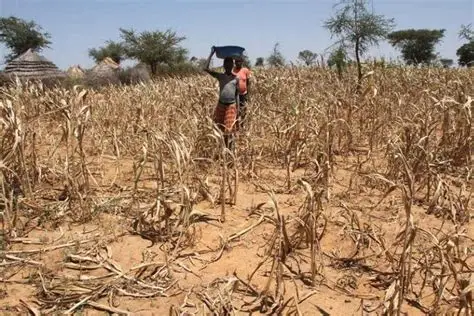
Unpredictable rainfall patterns are disrupting farming in Apac and raising fears of worsening food insecurity, as farmers struggle to decide when to plant, harvest and invest in food and cash crops.
Farmers in the Lango subregion say changing rainfall patterns have already affected the first planting season, with some crops wilting in gardens while others failed to germinate or produced below expectations.
In Apac, the uncertainty is now extending into the second season. By August, when farmers would ordinarily be weeding or planting seasonal crops, many had yet to plant maize, beans, groundnuts, sunflower, soybeans and other food and cash crops.
Those who have planted are increasingly worried that continued sunshine could dry out seeds before germination.
Okone Walter, a farmer and resident of Alworoceng Parish in Ibuje Subcounty, Apac District, says the area had not received sufficient planting rain
Okone, who grows oilseed crops including groundnuts, says farmers were increasingly uncertain about their harvests and called for government intervention to help communities cope with the effects of changing weather patterns
Rosalia Apio, a farmer from Atik Cell in Apac Municipality, fears the situation could deepen food insecurity in the coming months.
She says much of the little produce harvested during the first season had already been consumed or sold, leaving households vulnerable if the second season fails.
Apio says the prolonged sunshine was particularly worrying for farmers whose young crops are already in the gardens.
She warned that reduced production could push food prices higher in Apac and other parts of Uganda as supplies become increasingly limited.
However, some farmers say adapting to changing rainfall patterns is possible.
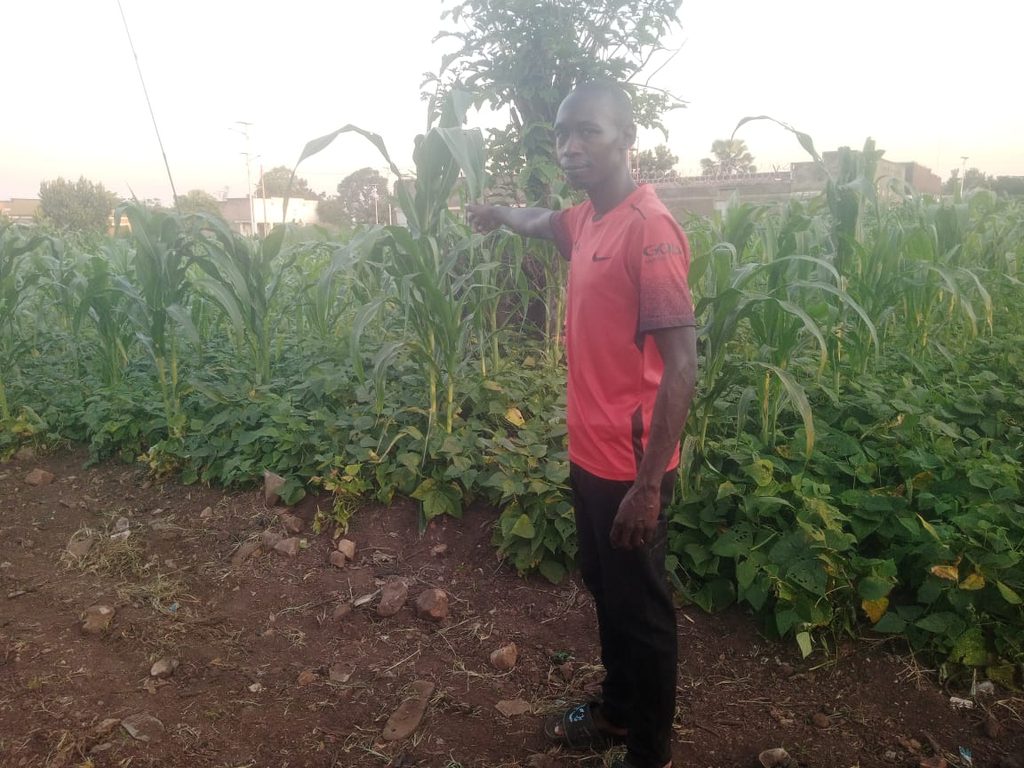
Oduk Lowrence, a maize and soybean farmer, says early planting had helped his crops withstand the changing weather.
He says his maize is performing well because he planted at the beginning of the rains.
According to Oduk, farmers who planted maize towards the end of July and at the beginning of August have seen better germination than those who delayed planting.
The effects of declining and unpredictable production are already being felt in Apac’s food markets, where traders report increasing demand against limited supplies.
Maize is currently selling at about 1,050 shillings per kilogram, while beans range between 3,000 and 3,500 shillings per kilogram. Sim-sim is selling at approximately 4,500–4,700 shillings per kilogram, while groundnuts are trading at around 5,000 shillings per kilogram.
Traders fear prices could rise further if the current dry conditions persist and the next harvest is poor.
Richard Eca, a produce dealer in Apac Town, says demand for food remains high while supplies are becoming increasingly difficult to obtain.
He says Apac frequently sources beans from the Busoga region because of limited local production, while maize supplies are also becoming increasingly scarce.
Eca warned that declining supplies could push food prices higher in the coming months.
The situation illustrates how climate-related disruptions in production can move beyond farms, affecting food availability, household incomes and what consumers pay in markets.
Bob Rubbby Ocen, a senior agricultural officer and officer in charge of Apoi Subcounty in Apac District, attributed some of the changing weather conditions to human activities, including wetland encroachment and deforestation.
He says many farmers had not yet planted, while those who planted early were already preparing for weeding.
Ocen advised farmers to remain ready to plant whenever adequate rainfall arrives rather than relying strictly on traditional planting calendars.
He compared the approach to a passenger waiting for a bus: farmers should have their gardens prepared and seeds ready so that they can plant immediately when rain comes.
He also encouraged farmers to adopt drought-tolerant crop varieties, harvest and store rainwater, use irrigation where possible and diversify their livelihoods.
”Combining crop production with livestock and other activities could help households withstand losses when one enterprise fails”.Ocen advices farmers.
The challenges in Apac are part of a wider climate and food-security problem facing Uganda.
The World Bank’s Climate Risk Country Profile for Uganda links climate shocks such as drought and flooding to disruptions in agricultural production and food supplies.
It reports that floods affect nearly 50,000 people annually and notes that flooding can disrupt roads and bridges, contributing to food shortages in affected areas.
The profile also estimates that drought affected about 2.4 million people between 2004 and 2013, highlighting the scale of Uganda’s exposure to climate-related shocks.
The World Bank further identifies unpredictable rainfall, water scarcity, crop failure and food shortages among the climate-related risks facing rural Uganda, where many households depend heavily on agriculture.
Recent climate data from the World Bank’s Uganda Climate Change Knowledge Portal show that Uganda’s average temperature has increased by approximately 0.31°C per decade since 1970, while rainfall patterns have also exhibited significant long-term variability.
As the next planting window remains uncertain, farmers and agricultural officials say timely weather information, climate-resilient farming practices, improved seeds, irrigation and stronger government support will be critical in protecting food production and household livelihoods