
 Radio Apac
Radio Apac
Radio Apac
31 August 2026, 3:27 pm
By Ogolo Ian Smith and Odongo Daniel
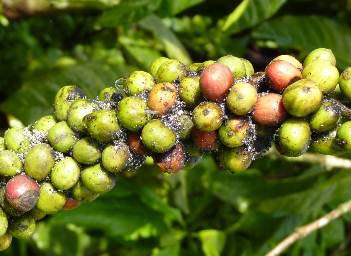
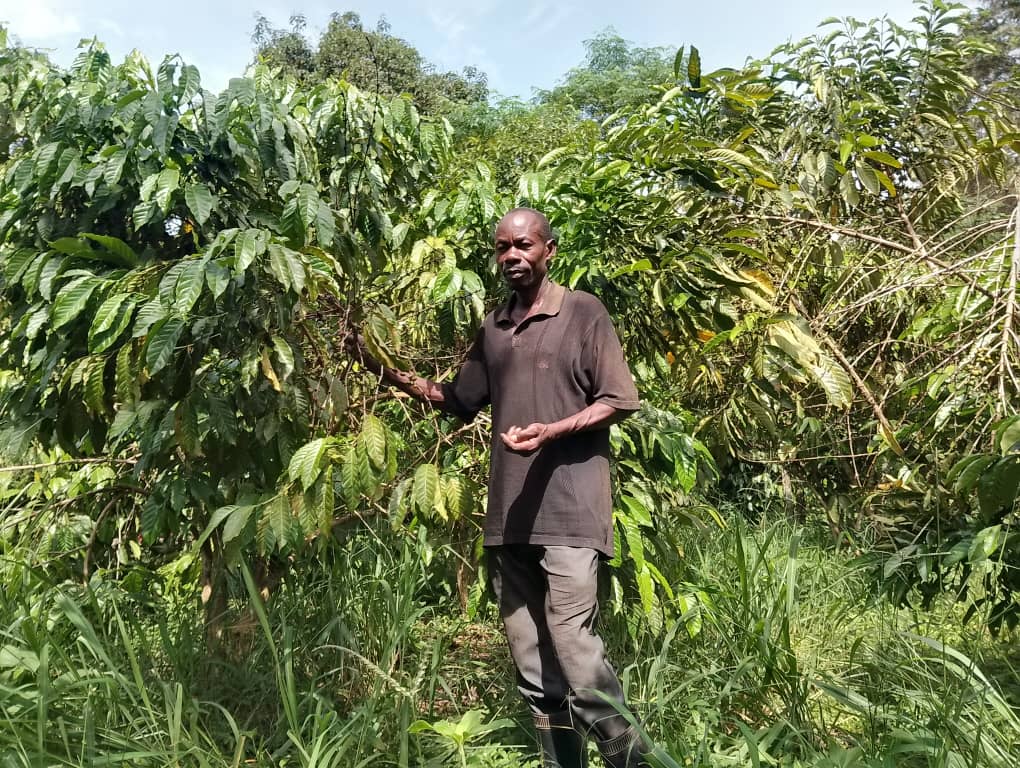
Coffee farmers in Apac District have called for urgent intervention from agricultural experts following an outbreak of disease and insect attacks that they say have severely damaged their coffee plants.
Speaking to Radio Apac, farmers with decades of experience in coffee growing said they had never encountered a problem of this scale. They reported damage to coffee plants at various stages of growth, including old and mature trees, raising concerns about their livelihoods and the future of coffee production in the area.
Peter Edam, a farmer who markets coffee on behalf of a cooperative in Apac, said the situation was worrying. He began growing coffee in 2000 and said he had never witnessed such widespread damage.
Edam called on agricultural experts to investigate the cause of the problem and provide farmers with guidance on how to control the disease and insects before the situation worsens.
He also encouraged coffee farmers across the district’s subcounties to share information about the attacks and alert others who may not yet be aware of the threat.
Edam further urged the government to provide coffee seeds and seedlings to farmers in good time, saying timely access to planting materials would help them prepare for changing weather conditions and adopt suitable farming practices.
The concerns come as climate change continues to affect agricultural production. Changes in rainfall patterns, prolonged dry spells, rising temperatures, heavy rainfall and flooding are creating additional challenges for coffee growers.
Prolonged dry spells can cause moisture stress, weakening plants and affecting growth, flowering and fruit development. Rising temperatures can also increase water demand and, when coupled with inadequate rainfall, reduce yields.
Excessive rainfall, meanwhile, can result in waterlogging, soil erosion and nutrient loss, while flooding may wash away fertile topsoil and damage coffee gardens. Unpredictable rainfall can also disrupt flowering and harvesting, making it harder for farmers to plan their activities.
Changes in temperature, humidity and rainfall can further influence the spread of pests and diseases, increasing the need for effective monitoring and control measures.
Another farmer, Opio Sam, who chairs coffee cooperatives in Apac, said his office had received several complaints from growers about insects attacking their plants.
Opio, who started growing coffee in 2003, said he had also never experienced attacks of this nature. He recalled that farmers previously did not need to spray their coffee gardens regularly, but said they now faced increasing pressure to control insects damaging their crops.
He advised farmers to consult agricultural experts before using pesticides so they can identify the appropriate products and apply them safely and effectively.
In a separate communication with Radio Apac, Beatrice Alela, who heads coffee farmers in Lango, said her office had not received information about the reported disease and insect attacks in Apac.
However, Paskweli Ocen, the head of coffee farmers in Apac, told our news desk that his office had received reports about the problem.
Although the government continues to provide coffee seedlings to farmers across the country, limited knowledge of proper coffee-growing practices remains a challenge in Lango.
Farmers need improved access to agricultural extension services, climate-smart farming information and timely advice on pest and disease management.
As weather patterns become increasingly unpredictable, strengthening farmers’ ability to respond to drought, excessive rainfall, flooding, soil degradation, rising temperatures, pests and diseases will be essential to protecting coffee production and the livelihoods of growers in Lango.