
 Radio Apac
Radio Apac
Radio Apac
16 September 2026, 8:03 pm
By Ogolo Ian Smith And Jacob Bakama Olara
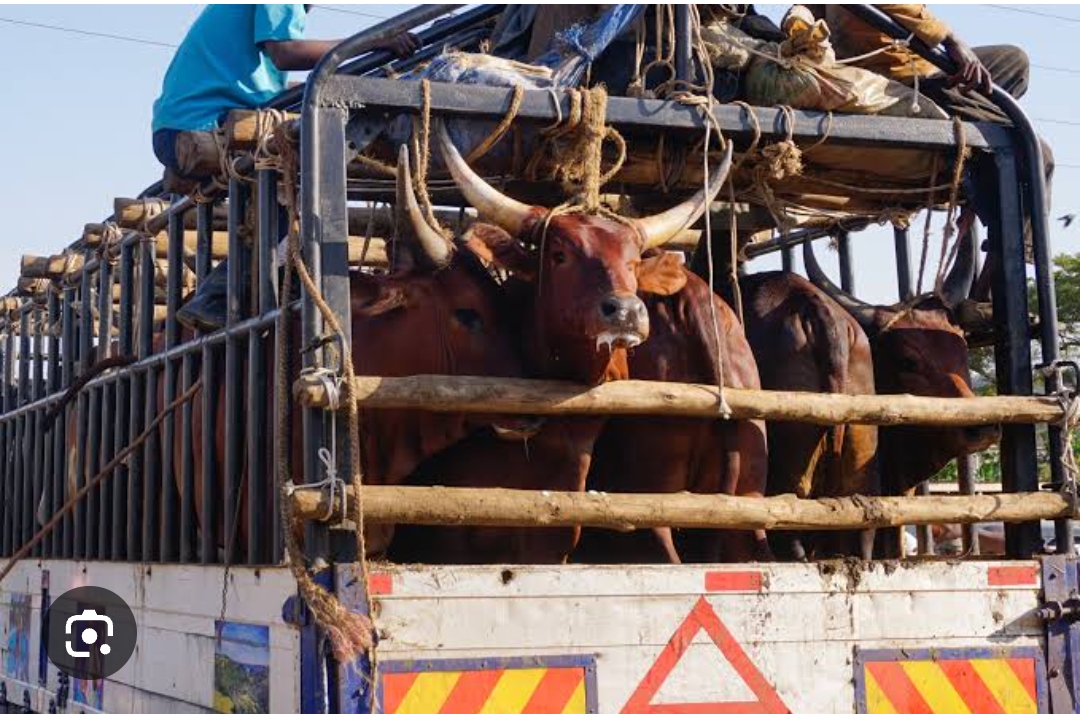
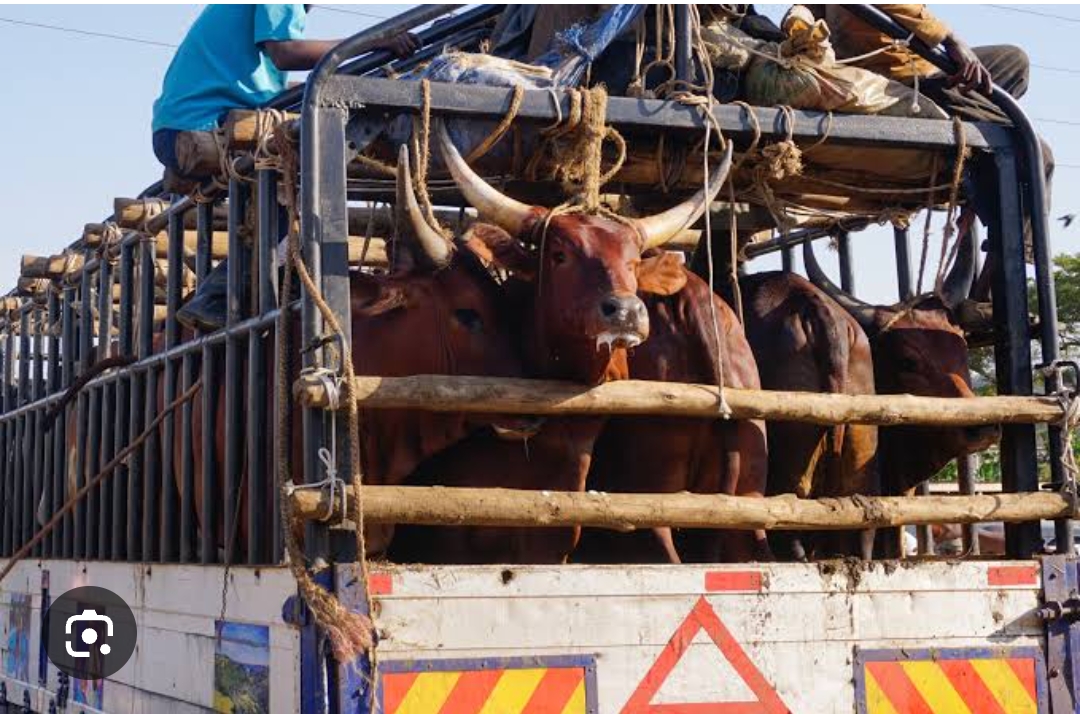
Apac District leaders have asked the government to relax restrictions on cattle movement from Northern Uganda, saying the measures are driving up livestock prices and making it difficult for beneficiaries of the government’s cattle restocking programme to buy animals within the funds allocated to them.
The appeal was made on Monday during a meeting between Apac district leaders and the Minister of State for Economic Monitoring, Santa Alum, at the Apac District Council Hall.
Apac LCV Chairperson Ambrose Agec Opio said cattle prices have risen sharply across the Lango sub-region, limiting beneficiaries’ ability to acquire quality animals.
He attributed part of the price increase to restrictions that have reduced access to cattle markets outside the region.
“Beneficiaries are struggling to find quality cattle at prices they can afford,” Opio said, urging the government to review the restrictions and allow traders from Lango to access markets in other parts of the country.
Responding to the concerns, Minister Alum said she would engage relevant government authorities on the possibility of easing the restrictions to allow cattle traders from Lango to access markets beyond Masindi Port Ferry.
She said improved access to livestock markets could give beneficiaries more options when purchasing cattle while also supporting traders and other people involved in the livestock value chain.
The movement restrictions are part of government efforts to control the spread of livestock diseases. District leaders, however, argue that disease-control measures should be implemented alongside measures that keep livestock markets accessible.
The meeting also raised concerns over alleged misuse and diversion of money allocated under the government’s cattle restocking programme.
Minister Alum directed security agencies to investigate allegations that some civil servants and political leaders diverted funds intended for beneficiaries to relatives, friends and in-laws.
Apac Woman Member of Parliament Betty Awor Engola called for the arrest and prosecution of anyone found to have misappropriated the funds.
She said beneficiaries should receive the assistance intended for them and that anyone found responsible for diverting public resources should face the law.
The concerns come as the government implements the 2025/26 cattle restocking programme, under which seven vulnerable households in each parish were allocated Shs5 million to support the purchase of cattle.
The programme is intended to help vulnerable households rebuild their livelihoods through livestock ownership, increase household income and strengthen their resilience.
However, district leaders say the amount allocated to each beneficiary may not be sufficient if cattle prices remain high.
They want the government to consider both the availability and cost of animals when assessing the implementation of the programme.
Local leaders say beneficiaries should be able to compare prices and access livestock from different markets rather than depend mainly on limited supplies within the region.
They argue that wider market access could increase competition among sellers and give beneficiaries a better chance of finding suitable animals within their budgets.
For now, the existing cattle movement restrictions remain in place. Minister Alum’s commitment to consult relevant authorities could, however, lead to discussions on possible adjustments to the measures.