
 Unity FM Lira
Unity FM Lira
Unity FM Lira
17 June 2026, 11:50 am
By Winnie Auma
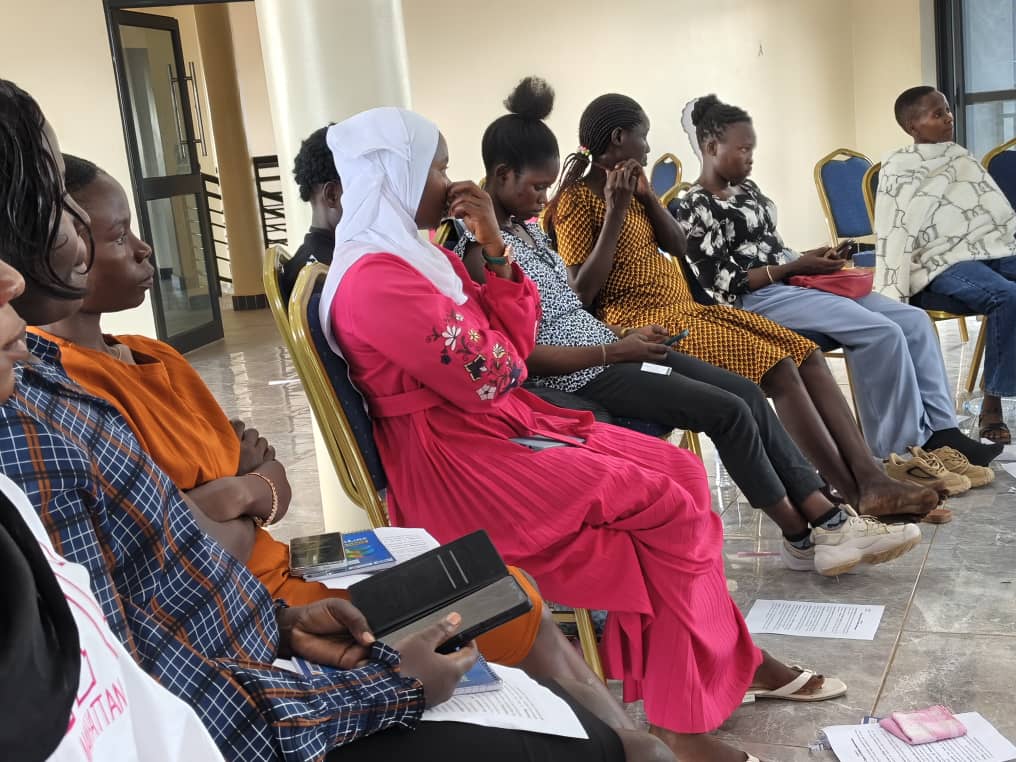
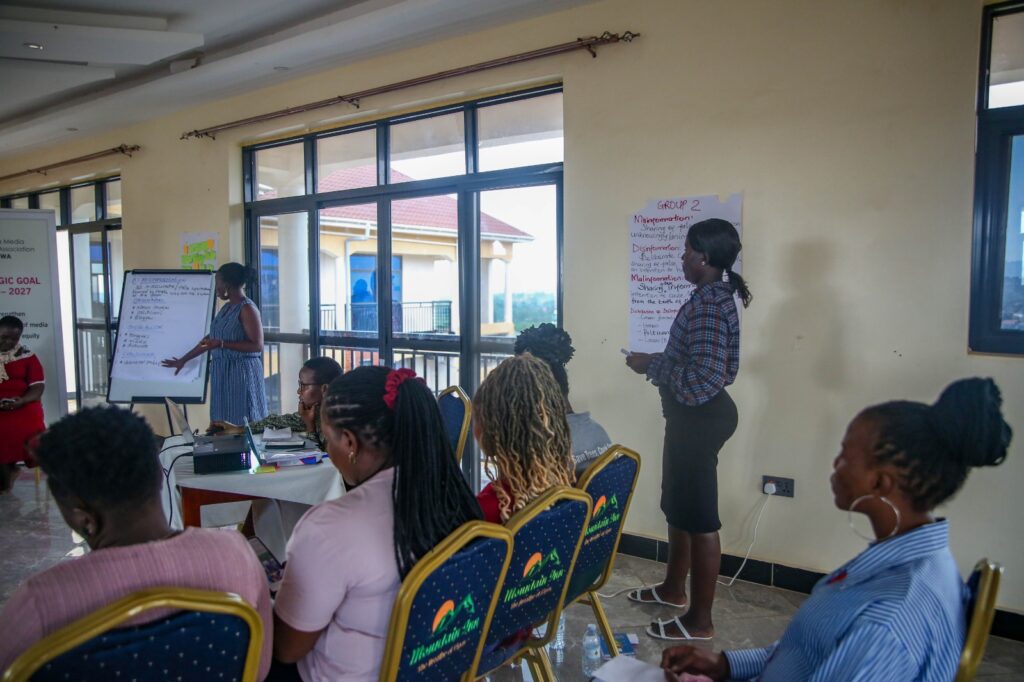
Female journalists from Northern and Eastern Uganda have received training on digital safety and security aimed at protecting them from online harassment and improving their digital journalism skills.
The two-day training, held in Mbale, was organized by the Uganda Media Women’s Association (UMWA) in partnership with the Finnish Foundation for Media Involvement under a four-year programme promoting media equality, rights, and inclusion.
According to Catherine Apalat, a representative of UMWA and Mama FM, the programme seeks to create a safer working environment for female journalists, improve the quality of journalism, and strengthen independent media in Uganda.Apalat said the training was informed by a 2023 study that revealed widespread online harassment and cyber abuse targeting female journalists.
The study found that many victims suffer in silence due to limited reporting mechanisms, while some perpetrators are colleagues and sources within the media industry.
She noted that many female journalists lacked basic digital security skills, including managing privacy settings, reporting online abuse, securing their identities online, and protecting their social media accounts with strong passwords and two-factor authentication.The training also addressed misinformation, disinformation, and the verification of online content, especially at a time when artificial intelligence-generated content and deepfakes are becoming increasingly common.
Apalat said preliminary feedback from participants indicates that many have gained valuable knowledge and are already committing to improve their digital security practices, including updating passwords and opening professional accounts on social media platform X.
She added that the training exposed significant knowledge gaps among journalists in Northern and Eastern Uganda, regions she said are often overlooked in capacity-building programmes.
Media trainer, Laila Ndagire said female journalists play a critical role in informing communities and therefore need the skills to navigate the digital space safely and responsibly.
Ndagire explained that the training equipped participants with practical skills to protect their personal data, verify information before publication, and respond to online harassment.She expressed optimism that the journalists will use the acquired knowledge to serve their communities better and increase their professional presence on digital platforms.
The organisers say they are considering additional trainings to help journalists maximize opportunities available on social media platforms, including professional networking and content monetization.
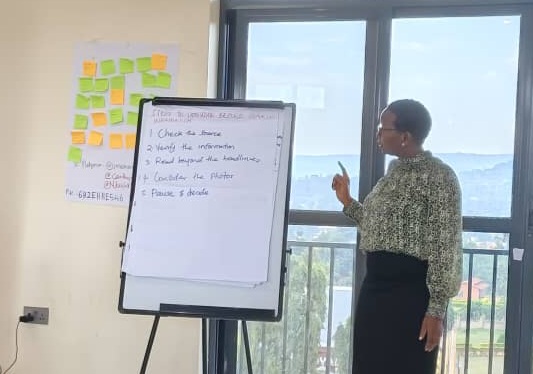
Speaking during the training, Alany Patricia Sedu a journalist with Voice of Lango in Lira City said female journalists frequently encounter challenges such as cyberbullying, online harassment, and other forms of digital abuse while carrying out their work. She noted that the training has provided practical knowledge on how to stay safe online and protect personal and professional information.
Meanwhile, Phoebe Masongole of Daily Monitor shared her experience of facing online harassment during the recent election period. Masongole said the attacks affected her emotionally and professionally, but the training has empowered her with skills to better manage and respond to such incidents.
Participants emphasized the need for continuous digital safety awareness and support systems to ensure journalists, particularly women, can work in a safe and secure environment both online and offline.