
 Unity FM Lira
Unity FM Lira
Unity FM Lira
31 July 2026, 10:19 am
By Winnie Auma
A prolonged dry spell, declining soil fertility, and limited adoption of modern farming practices are threatening crop production in Dokolo District, leaving many smallholder farmers worried about food security and household incomes.
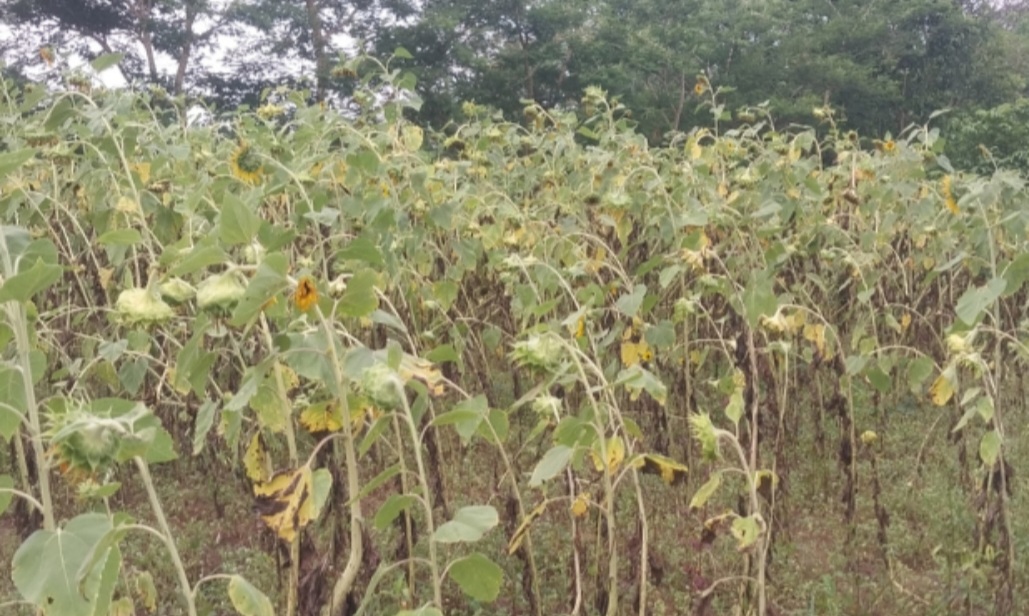
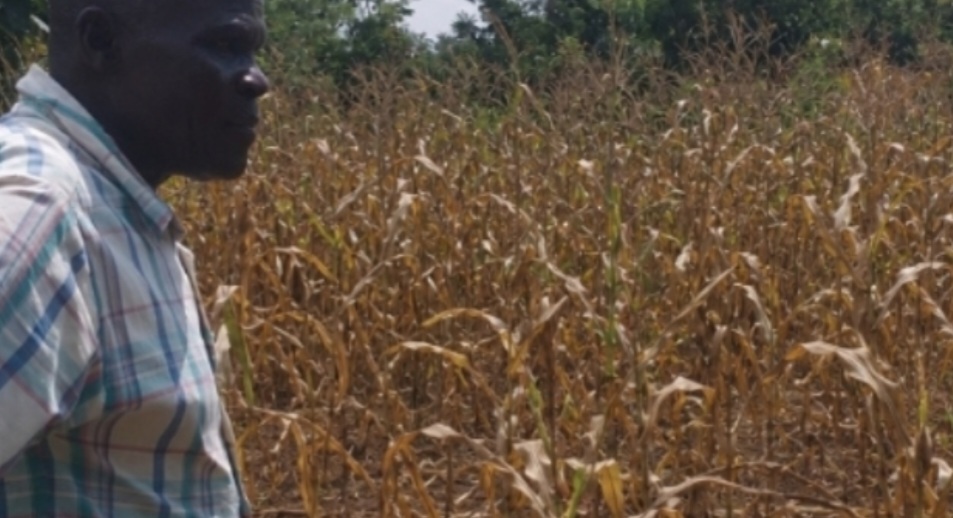
Farmers in Acangweno Village, Aburcero Parish, Amwoma Sub-county, say erratic rainfall and poor soil fertility have severely affected crops planted during the first rainy season. Ocen Isaac, a peasant farmer from the village, said he planted maize, cassava, groundnuts, and simsim on four acres of land three weeks after the start of the first rainy season.
However, most of the crops, particularly maize, groundnuts, and simsim, are performing poorly. Isaac attributed the poor yields to prolonged drought and nutrient-depleted soils that require fertiliser application.
He noted that the area last received substantial rainfall in mid-May. He said the expected harvest is likely to generate less than Shs300,000, compared with more than Shs2 million he used to earn in previous seasons.
According to Isaac, the anticipated losses will affect his ability to meet household expenses, including buying food, paying school fees, covering medical bills, and caring for his elderly parents and grandmother.
Another farmer, Beatrice Ajok, said her maize and sunflower crops have also wilted due to delayed planting and late land preparation.
Ajok explained that she lacked access to ox-ploughs to prepare her gardens on time, forcing her to plant after the onset of the rains. She said she plans to plant earlier during the second season and hire a tractor to avoid similar losses.
She also observed that the absence of farmer enterprise groups leaves many farmers vulnerable to exploitation. According to Ajok, farmers purchase maize seed at high prices but later sell their produce individually for as little as Shs800 per kilogramme, reducing their profit margins.
Alex Omara, the Agricultural Extension Worker for Amwoma Sub-county, said many farmers fail to utilise agricultural advisory services and often ignore scientific recommendations. He urged farmers to embrace climate-smart agriculture, including planting drought-tolerant crop varieties, practising crop rotation, improving soil fertility through manure and fertilisers, conserving beneficial soil organisms, and controlling pests through timely spraying.
Omara noted that climate change requires farmers to adopt modern farming methods if they are to maintain productivity and profitability. As farmers grapple with declining yields, agricultural stakeholders are increasingly promoting innovative solutions that connect farmers to markets, quality inputs, and technical support.
Ejang Cindrella, a commercial agent in Ocekikot Village, Angwenya Parish, Kangai Sub-county, said the WIIGOT ecosystem is helping farmers overcome some of the challenges affecting agricultural production and marketing.
She explained that the ecosystem connects farmers to certified agro-input dealers and produce off-takers through trained commercial agents. Under the system, registered farmers receive farmers’ cards that enable them to access agricultural services, order genuine farm inputs, and obtain information on proper input use.
Ejang said the ecosystem also helps farmers access reliable market information, reducing exploitation by brokers who often offer low prices and use unregulated weighing scales. She added that many farmers lose income because they lack information about where to purchase quality inputs and where to sell their produce profitably.
Beyond market access, the ecosystem also promotes climate-smart agricultural practices by linking farmers to advisory services and information that can improve productivity. The benefits of adopting modern farming technologies are already evident in parts of Northern Uganda.