
 Voice of Lango
Voice of Lango
Voice of Lango
14 August 2026, 7:58 pm
By Micheal Ojok
As climate change makes farming increasingly challenging for people living in Uganda’s Lango Sub-region, some affected farmers are turning to new agribusiness strategies that they consider more profitable and resilient to changing weather patterns.
One such enterprise is commercial beekeeping, once regarded as a small-scale rural activity pursued as a hobby by a few farmers.
Today, hundreds of households have taken up beekeeping as a major source of employment, helping them cope with the impacts of climate change and improve their household incomes.
The main attraction for young people is the growing national and international demand for honey and other bee products, including beeswax, propolis and bee venom.
In Lira District, where many of these farmers are based, the district entomology office has informed the population engaged in beekeeping that insects such as bees are fundamental to the proper functioning of the land and freshwater ecosystems on which food production depends.
Responsible for crop pollination and seed dispersal, bees support ecological processes necessary for the production of medicines, fibres and nutritious food, while also generating income for households.
Protecting bees therefore encourages farmers to conserve trees and water resources and adopt sustainable farming practices that are considered resilient to climate change.
Dickens Obote, a resident of Abwong B Village in Adyaka Parish, Agali Sub-county, Lira District, opted to engage in beekeeping after seeing his neighbours transform their livelihoods through honey production.
“I began with just three traditional beehives, which I later expanded to 14 to increase my yields,” said Obote, a youth in his thirties.
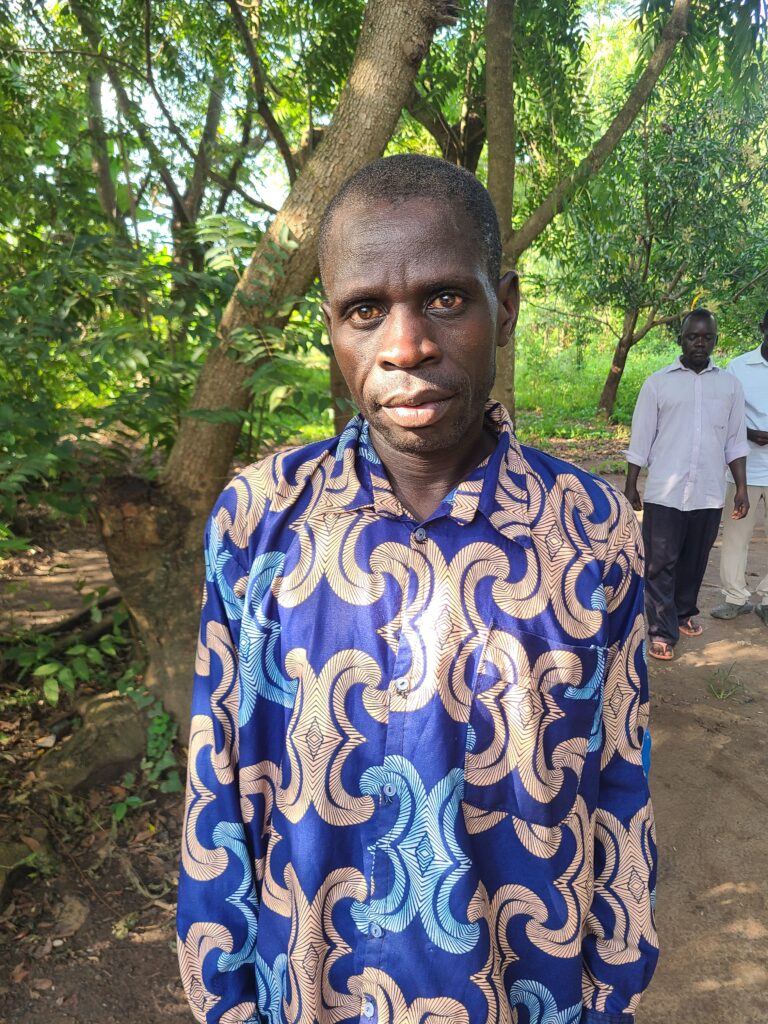
To improve his honey yields, Obote integrated agroforestry into his project site by planting flowering trees alongside food crops, with his beehives positioned beneath their canopies.
“The goal is for the bee colonies to travel short distances in search of pollen and nectar for honey production and survival,” the district entomology office told us during a community visit.
The village suffered massive tree loss due to the charcoal trade as residents began resettling in the area following the end of two decades of atrocities led by the Lord’s Resistance Army, which displaced an estimated 1.9 million people in the region by 2009.
The few remaining trees are now under protection, and Obote says they have significantly contributed to restoring soil fertility in the area, allowing food crops to perform better.
“The rainfall pattern in the area had suffered distortion,” he explained.
According to Obote, soil erosion had increased before the community introduced several fast-maturing tree species recommended by the entomology office for beekeeping.
Through local radio programmes and village meetings, the community’s cultural institution also advocated for the protection of indigenous tree varieties, some of which were traditionally harvested for herbal medicines.
Bees are important allies for farmers in maintaining food production amid a changing climate.
For farmers in the Lango Sub-region, adapting to climate change involves more than surviving extreme weather patterns manifested in prolonged dry spells, floods, declining soil fertility and erratic rainfall.
Their focus is therefore on building livelihoods and ecosystems that can better cope with environmental change while supporting their rain-fed agrifood systems.
Joan Akello, a resident of Abeli B Village in Gomi Parish, Agali Sub-county, was drawn to beekeeping because of its nutritional and medicinal value.
“I joined Oryemcan United Beekeepers’ Group hoping to kick poverty out of my household.
That year, crops failed due to an acute dry spell.
“Those who had beehives were the ultimate survivors,” she explained, pointing at her local hives.
In the Lango dialect, the word Oryemcan literally translates as ‘kicking poverty out of our communities’.
For many years, the farmers’ group operated as an informal set-up, making it difficult for members to access agribusiness loans or insurance.
Honey marketing was also informal, with many buyers questioning the quality and safety of the honey, particularly its exposure to environmental contaminants such as agrochemicals.
“It was not easy to transform from a small-scale, casual enterprise into a dependable source of income on which our families could rely for income and other basic needs,” Akello said.
Weather variability — particularly the dry spells that have affected the village annually since 2023 — has decimated the flowering vegetation on which bees depend for pollen.
The nearby streams from which bees collected water, a critical component of honey production, also dried up. Some colonies migrated, reducing the quantity of honey produced by the farmers’ group, particularly among farmers who could not provide alternative water sources for their bees.
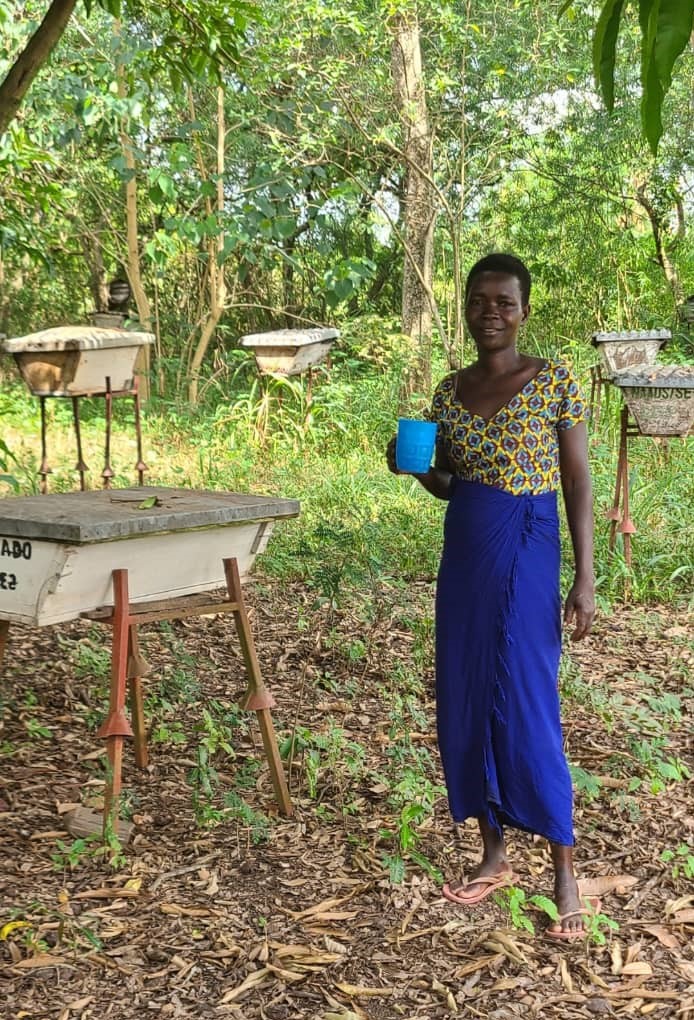
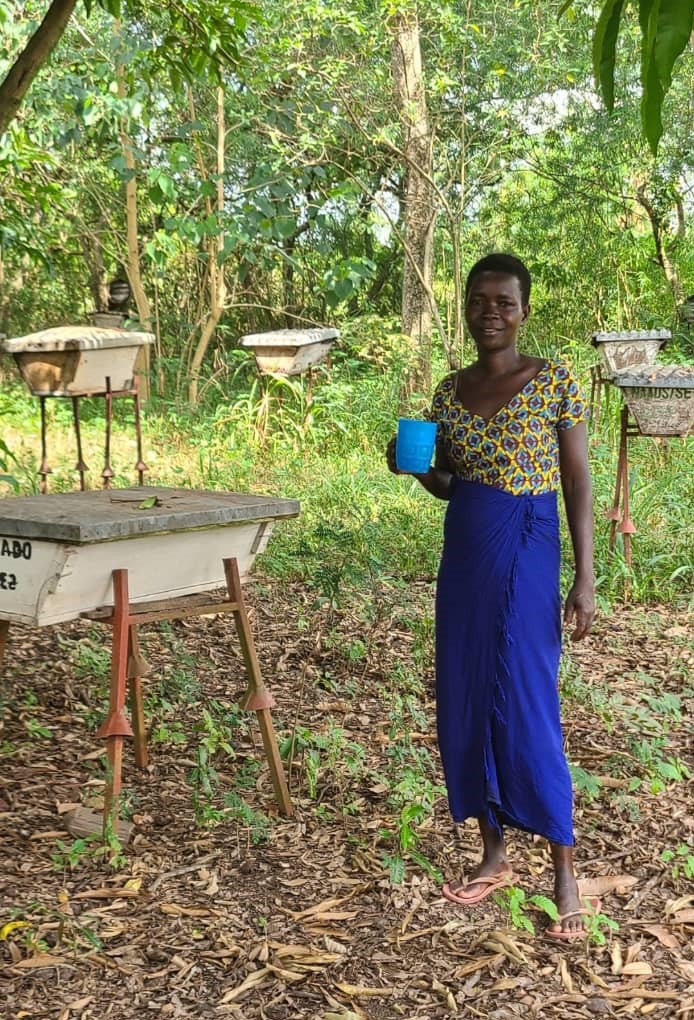
Within the farmers’ group, local beehives — most of them made from hollow sections of dry, round palm tree trunks — are hung between natural tree branches and are often scattered across large areas of land.
This makes supervision, maintenance and pest control more difficult than for farmers using modern Kenyan Top Bar hives.
To formalise the farmers’ group into a bankable project, Climate Smart Jobs, an agribusiness project seeking to transform small-scale agricultural initiatives in Northern Uganda into larger and more profitable ventures, partnered with experts known as commercial agents to support such groups.
The commercial agents train beekeeping groups in a range of areas, including conservation agriculture practices such as protecting bee colonies and the environment by avoiding the harmful use of agrochemicals near wetlands, beehives and water sources.
Another key element, Akello says, is protecting wetlands to regulate water flow, reduce flooding, support rainfall and sustain biodiversity.
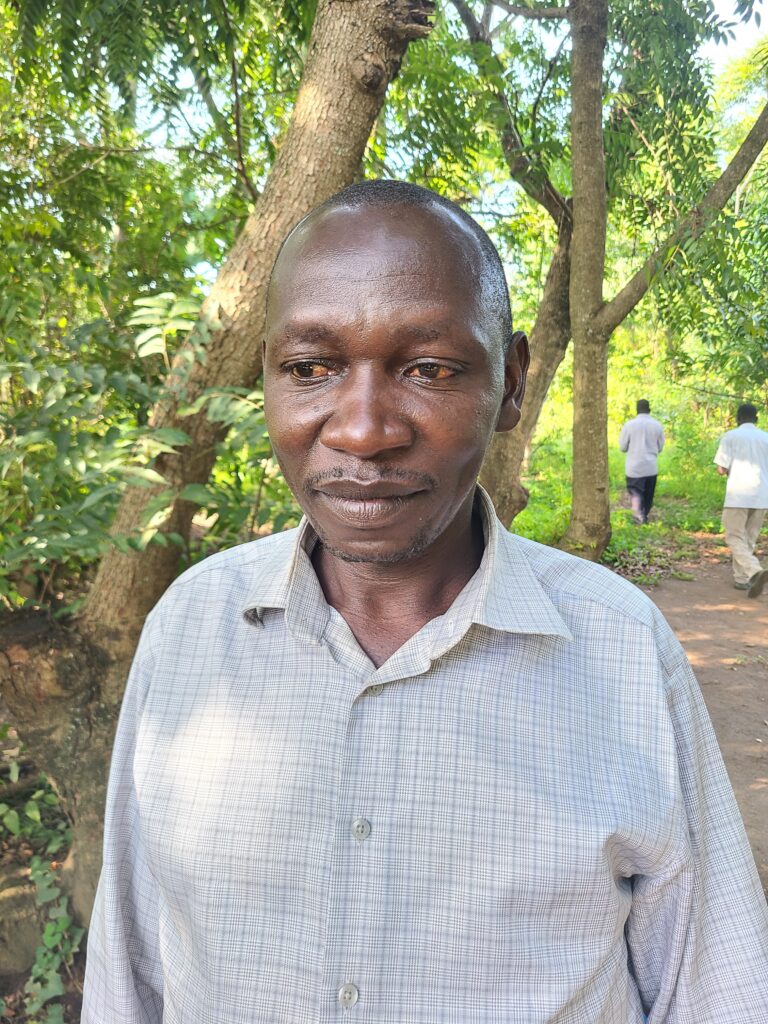
Alyao Dan, of Alikpot Village in Adyaka Parish, is another beekeeper who started with just two traditional beehives before gradually expanding the enterprise to five hives.
His annual production is about 20 kilogrammes of crude honey, earning him approximately Shs700,000.
Alyao was inspired to venture into beekeeping during a visit to the apiary of an experienced beekeeper, Gilbert Ebong, also in Lira District.
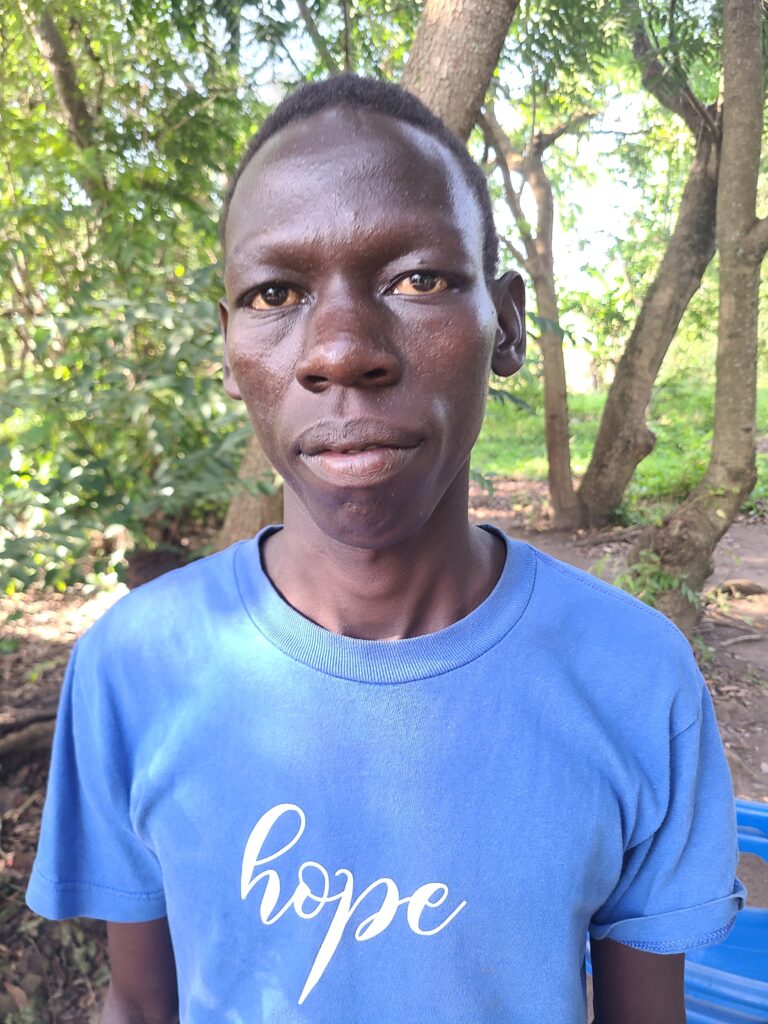
Using income earned from selling honey over the years, Alyao built a home for his family while acquiring additional technical skills in beekeeping.
Gilbert Ebong is now a prominent commercial agent under the Climate Smart Jobs Project, based in Erute South County, Lira District.
“The potential for beekeeping in this region is largely untapped. This is why we are training farmers to adopt modern beekeeping practices,” he says, adding: “We teach them how to access markets while providing technical support to improve productivity, product quality and incomes at the same time.”
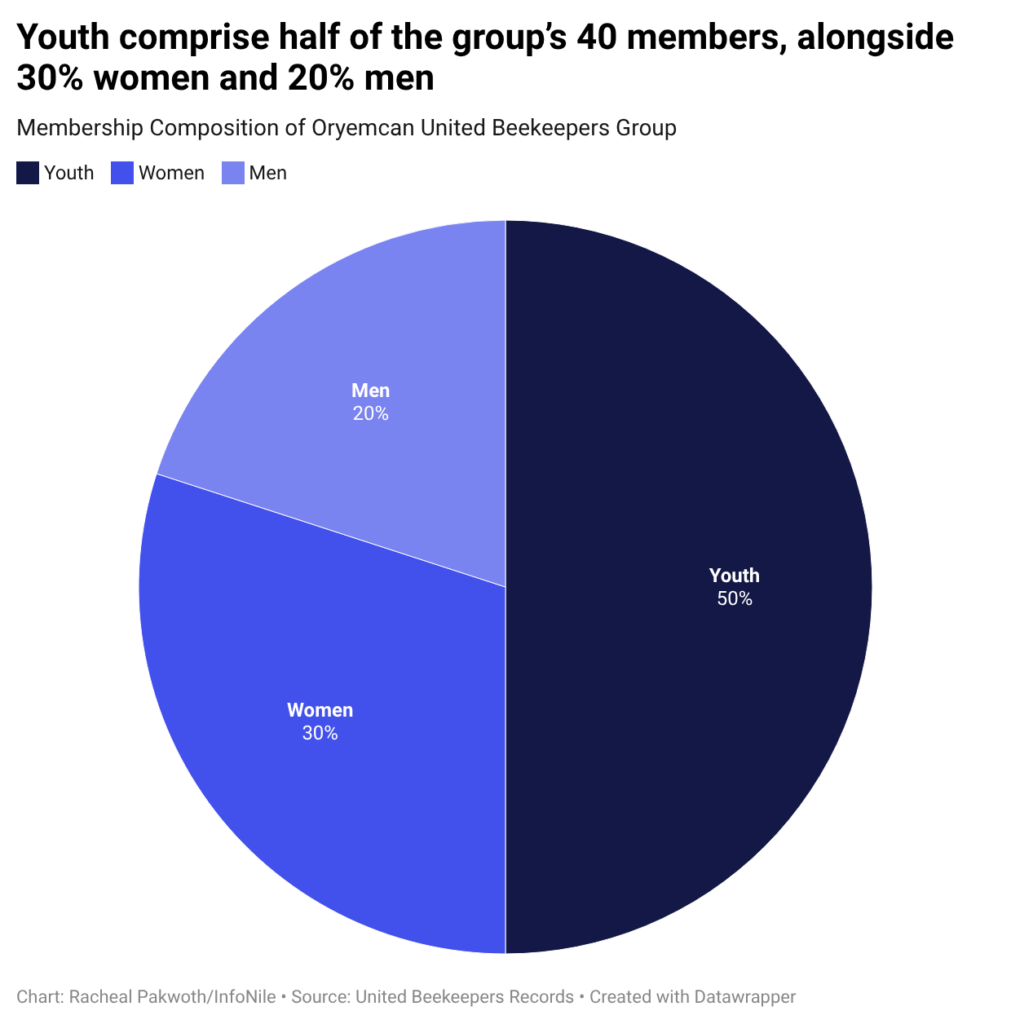
“Bees are guardians of nature,” Ebong told members of the Oryemcan United Beekeepers Group, which has 40 members.
Of the 40 members, 50 per cent are youth, 30 per cent are women and 20 per cent are men.
Ebong encouraged the group to recruit more young people into commercial beekeeping to improve household incomes while creating employment opportunities for Uganda’s growing youth population.
Youth unemployment in Uganda stands at about 68 per cent, according to a 2025 report by the Uganda Bureau of Statistics.
Robert Okodia, proprietor of Barkman Best-Bees Company Limited, says commercial beekeeping “goes beyond honey production, since it creates green jobs, restores ecosystems and strengthens climate resilience”.
According to Okodia, the company works with more than 10,000 farmers across the West Nile, Lango, Acholi, Teso and Karamoja sub-regions to develop a complete honey value chain covering production, aggregation, processing, value addition and export through its processing facility in Lira District.
Okodia said Uganda consumes about 12,000 metric tonnes of honey annually, but domestic production remains below demand, presenting significant opportunities for farmers.

The East African region, Okodia says, consumes approximately 120,000 metric tonnes of honey annually, while global demand exceeds two million metric tonnes.
“A single farmer managing 20 modern beehives can harvest about 200 kilogrammes of honey worth approximately Shs2 million at farm-gate prices,” Okodia said with a smile.
Additional products such as beeswax, propolis and bee venom provide further sources of income, making beekeeping one of the most profitable nature-based enterprises.
Through the Climate Smart Jobs Project, modern beekeeping skills are becoming available and accessible even to rural farmers through a smartphone-enabled platform known as WIIGOT.
Although still under development, the digital technology is already providing extension services, training, and information on equipment suppliers and markets to smallholder farmers with access to the platform during the testing phase.
“The initiative purposely targets women and youth,” according to Ebong. The platform will be equipped with information translated into the Lango dialect.
Under the initiative, more than 2,000 women have been enrolled in the Female Apiary Managers Programme, while more than 4,000 young people are working as out-growers and field agents, accounting for nearly half of the company’s production network.
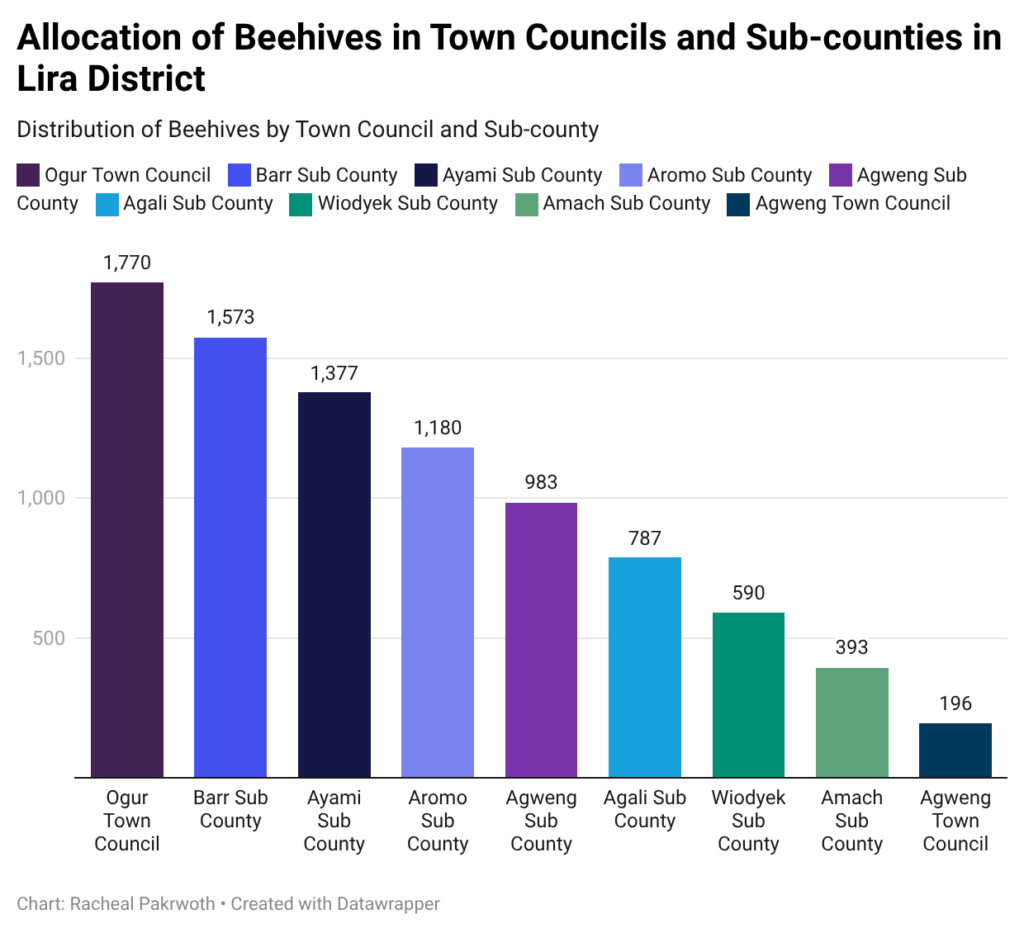
The Lira District Entomology Officer, John Bosco Okello, says the district has 822 registered beekeepers organised into 102 farmers’ groups managing 8,849 beehives.
Okello says the sector is growing thanks to continued investment by the Government and development partners through the distribution of modern Kenyan Top Bar hives, harvesting equipment, processing facilities and farmer training.
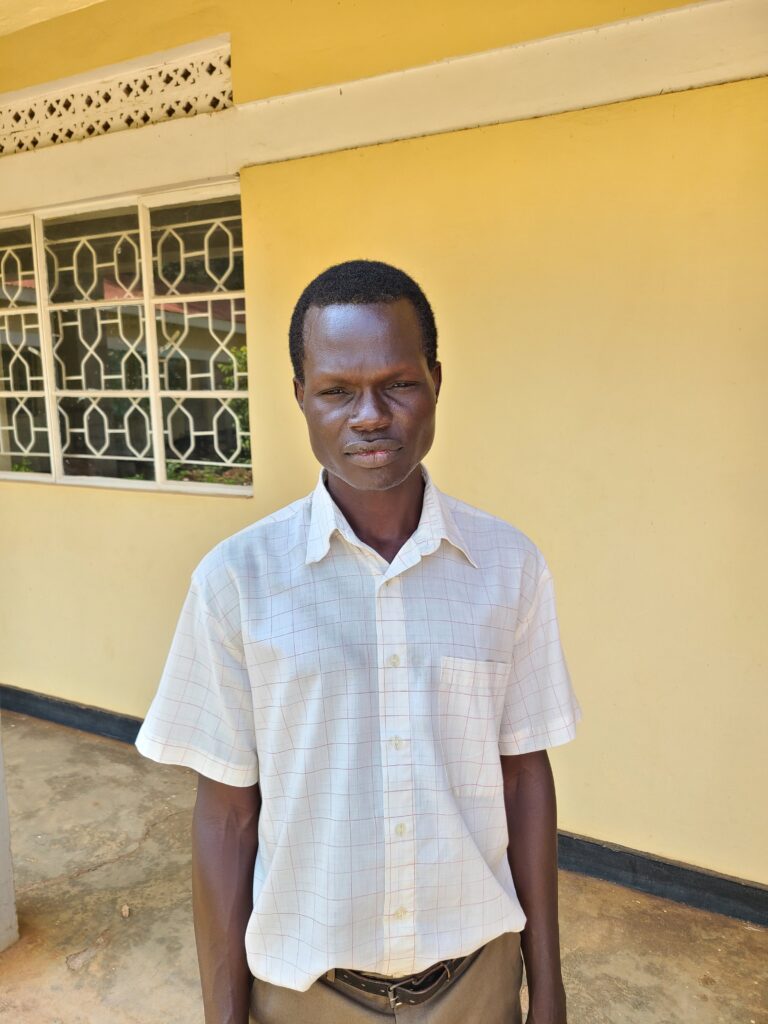
According to Okello, “beekeeping is increasingly attracting young people because it requires relatively low start-up capital while providing attractive returns.”
He notes that bees play a critical role in pollinating crops, boosting agricultural productivity and strengthening food security.
Despite this progress, he says the industry continues to face challenges, including the misuse of pesticides by crop farmers, which destroys bee colonies, as well as the effects of climate change on honey production.
These challenges are being addressed by agricultural extension workers who promote organic pest management and encourage farmers to plant flowering tree species such as Calliandra near their beekeeping sites.
They also advise beekeepers to establish apiaries away from schools, hospitals and busy roads to provide a safe environment for their bees.
According to data from the Uganda Investment Authority, the country produces between 100,000 and 200,000 metric tonnes of honey annually.
In Lango, the honeybee may be small, but its contribution to the environment and food production is significant.
From encouraging tree conservation to creating alternative sources of livelihoods, beekeeping is helping farmers build greater resilience to climate change.
This story was produced with support from InfoNile and edited by Maddison Erdall, Carbon Science Team Lead at Centigrade.