
 Voice of Lango
Voice of Lango
Voice of Lango
18 September 2026, 11:02 am
By Emmanuel Oyugi
Alebtong communities are rethinking some of the indigenous knowledge they have long relied on to understand weather and environmental changes, as shifting climate patterns make traditional indicators less reliable.
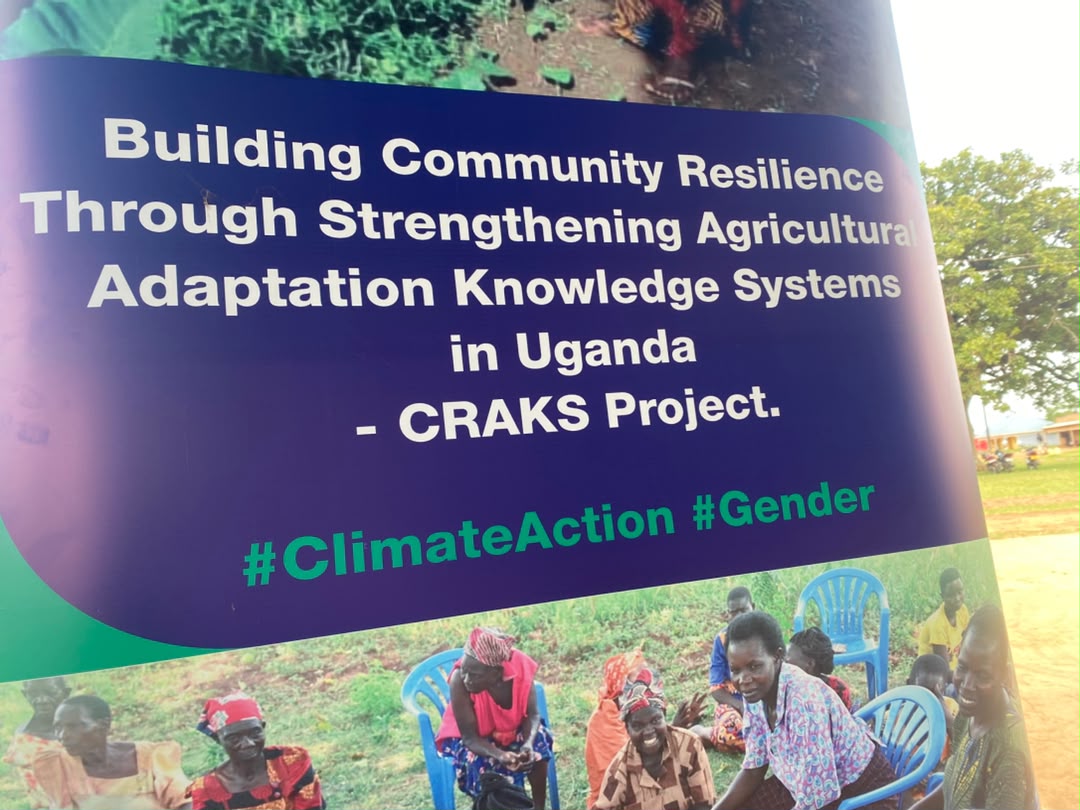
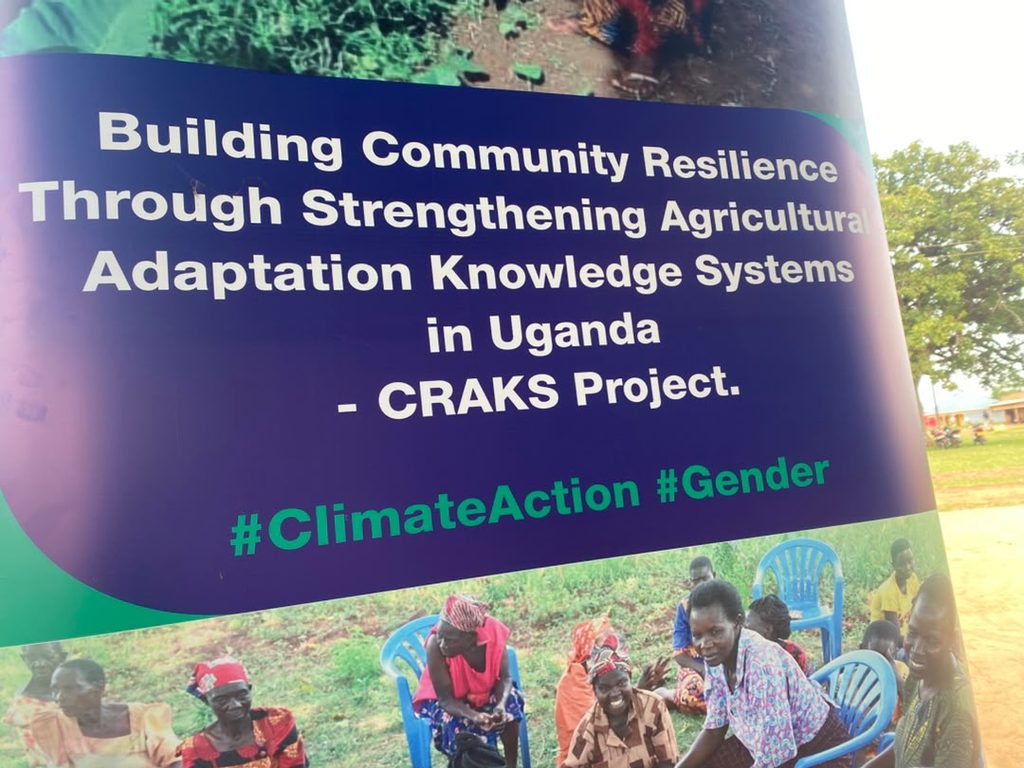
The issue emerged during the closure of the three-year Building Community Resilience through Strengthening Agricultural Adaptation Knowledge Systems in Uganda (CRACKS) project, implemented by the African Center for Trade and Development (ACTADE) in partnership with the Noble Youth Foundation.
The project trained community members in climate change mitigation and adaptation, with beneficiaries saying the knowledge and skills acquired have strengthened their ability to cope with changing climatic conditions and improve agricultural production.
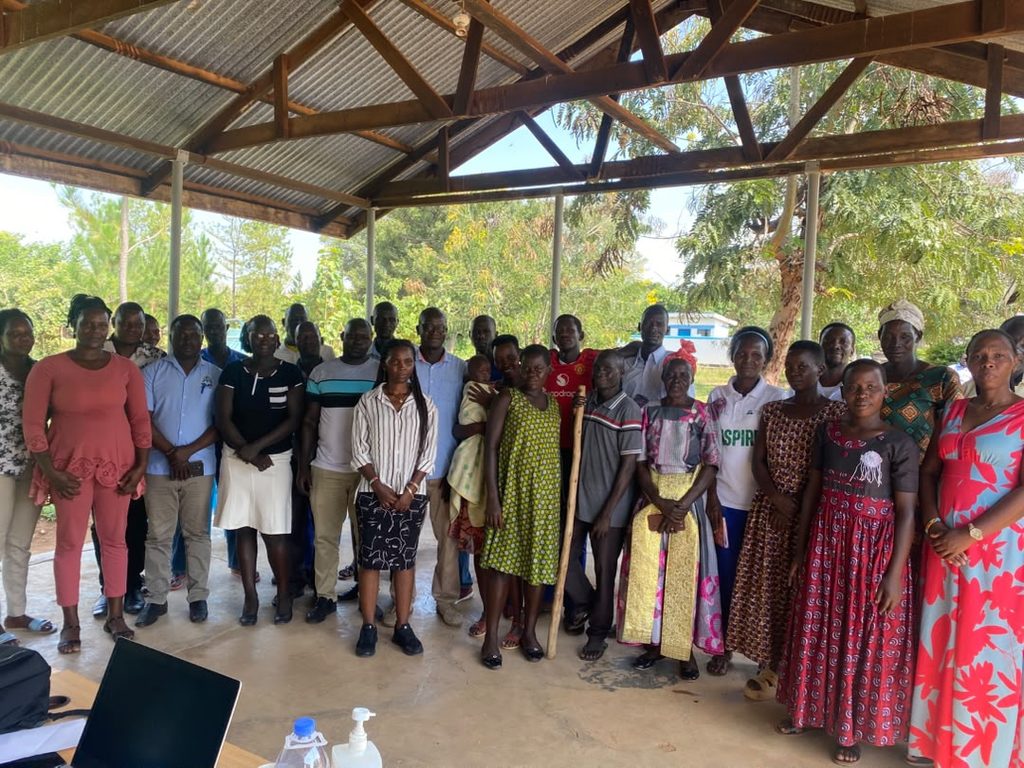
One of the residents who underwent climate adaptation and mitigation undertaken by ACTADE, Abeja Esther said communities traditionally relied on environmental signs such as changes in bird sounds and the dropping of leaves to anticipate changes in weather.
However, she said some of these indicators are becoming less reliable as environmental degradation, including wetland cultivation and indiscriminate tree cutting, continues to affect ecosystems.
Another resident, Moses Okello said increasingly unpredictable rainfall patterns are also making it difficult for farmers to plan their agricultural activities.
He recalled how some farmers planted crops after receiving information from the National Meteorological Authority that heavy rainfall was expected during part of August, only for the anticipated rains not to come.
On the other hand, Omony Ogaba Nelson said many residents still lack adequate knowledge about climate change and called on district authorities to continue providing adaptation and mitigation training to communities and farmer groups.
Owani Peter, a person with a disability, said people living with disabilities often have limited access to climate change information because they are left out of community training and development programmes.
The Acting Executive Director of ACTADE, Viola Musiimenta, said the organisation had worked with different community groups to understand how they were responding to climate change.
She said some adaptation practices that communities previously relied on are no longer as effective because climatic conditions have changed.
Musiimenta called for greater collaboration among stakeholders to ensure communities have access to information and support needed to adapt to climate change.
Assistant Veterinary Officer of Alebtong district, Dr. Odero Silvano, who represented the District Production Officer, said changing climatic conditions have made it increasingly difficult for farmers to predict agricultural seasons.
He encouraged farmers to adopt climate-smart agricultural practices, including soil and water conservation, improved livestock management, resilient crop varieties and irrigation to reduce dependence on rainfall.
The CRACKS project, which started in 2023, has now come to an end.