
 Voice of Lango
Voice of Lango
Voice of Lango
28 August 2026, 12:00 pm
By Walter Okello
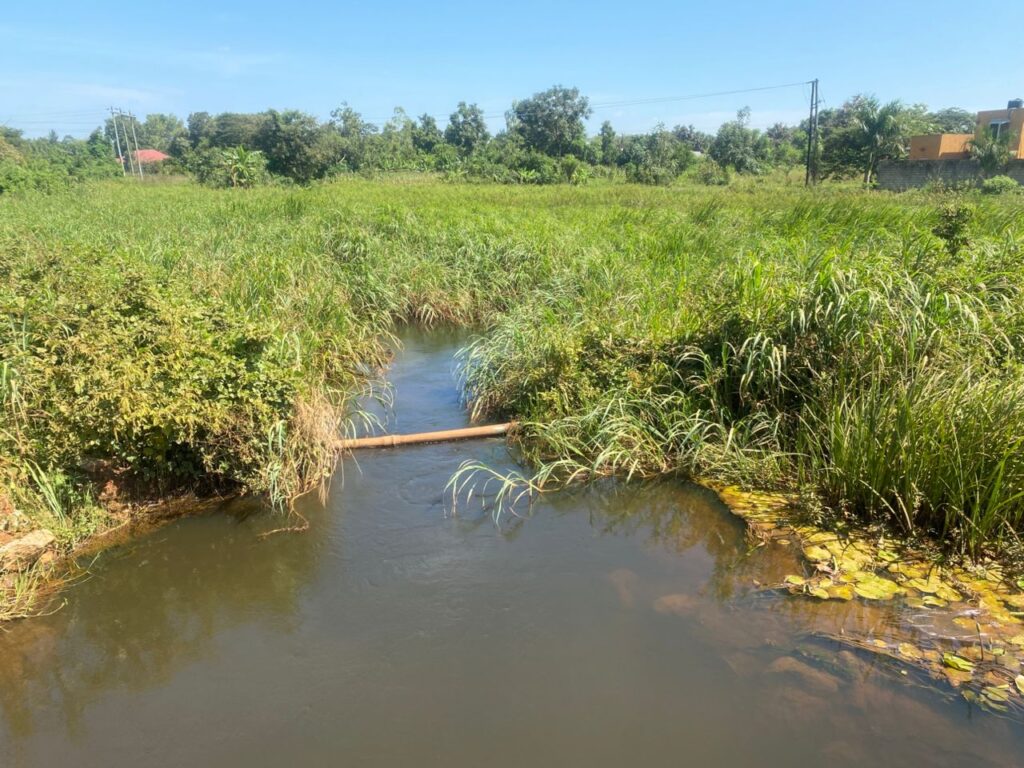
At least eight people have been jailed and 11 others are facing trial over their alleged involvement in wetland degradation in Lira District, as authorities intensify efforts to protect ecosystems that play a critical role in climate resilience.
Lira District Environment Officer Walter Ocen said his office has, over the past three years, stepped up enforcement against people who violate wetland protection laws, including implementing presidential directives aimed at safeguarding wetlands from further degradation.
Ocen said eight people have been arrested and jailed during the period, while 11 others are currently facing court proceedings.
Lira District has about 60.6 square miles of wetlands, of which approximately 35 per cent has been degraded, according to Ocen.
He said restoration efforts have so far recovered about 13.6 per cent of the degraded areas.
Wetlands are important natural buffers against climate-related risks, helping regulate water flows, reduce flooding, store carbon and support livelihoods. However, continued degradation can weaken communities’ ability to cope with increasingly variable weather and other climate-related stresses.
Ocen clarified that the Government does not prohibit all activities in wetlands but said only activities permitted under the law are allowed.
He cited fishing and beekeeping as examples of activities that can be undertaken, provided they comply with environmental regulations and do not damage wetland ecosystems.
The environment officer said his office is working with the Ministry of Water and Environment and several non-governmental organisations, including FAFOD, Joint for Water and Code Aid, among others, to strengthen wetland conservation and restoration in Lira District.
Ocen also warned residents against removing boundary markers placed along wetland buffer zones, saying the markers are intended to prevent encroachment and protect sensitive ecosystems.
He expressed concern over continued degradation in some parts of the district, including illegal activities that contravene environmental regulations.
He warned that people found engaging in such activities, including barbers who dump hair cuttings from salons in wetlands, could face prosecution, fines and other penalties provided for under the law. He said fines can reach up to Shs6 million in some cases.
In Lira District, wetland degradation is particularly high in Erute South Constituency, especially in Amach, Awiodyek, Amach Town Council and Agali Sub-county, compared with parts of Erute North, according to Ocen.
Patrick Olobo, the LC3 Chairperson of Amach Town Council, said illegal cultivation in wetlands remains a major challenge.
Olobo said some farmers and other wetland users are economically vulnerable and depend on wetlands for their livelihoods, particularly amid crop failures and other pressures affecting agricultural production.
Alex Okello, the LC3 Chairperson of Agali, said enforcement of laws against wetland cultivation, coupled with a local by-law and support from FAFAD, has helped local leaders identify and address illegal activities in wetlands.