
 Etoil A Karamoja
Etoil A Karamoja
Etoil A Karamoja
12 August 2026, 10:41 am
By Moses Lokeris
Karamoja — The government’s move to regulate drinking hours has sparked debate in Kotido Municipality, with some residents welcoming it as a bold attempt to restore productivity and discipline, while others have questioned the legal basis for imposing specific operating hours on licensed businesses.
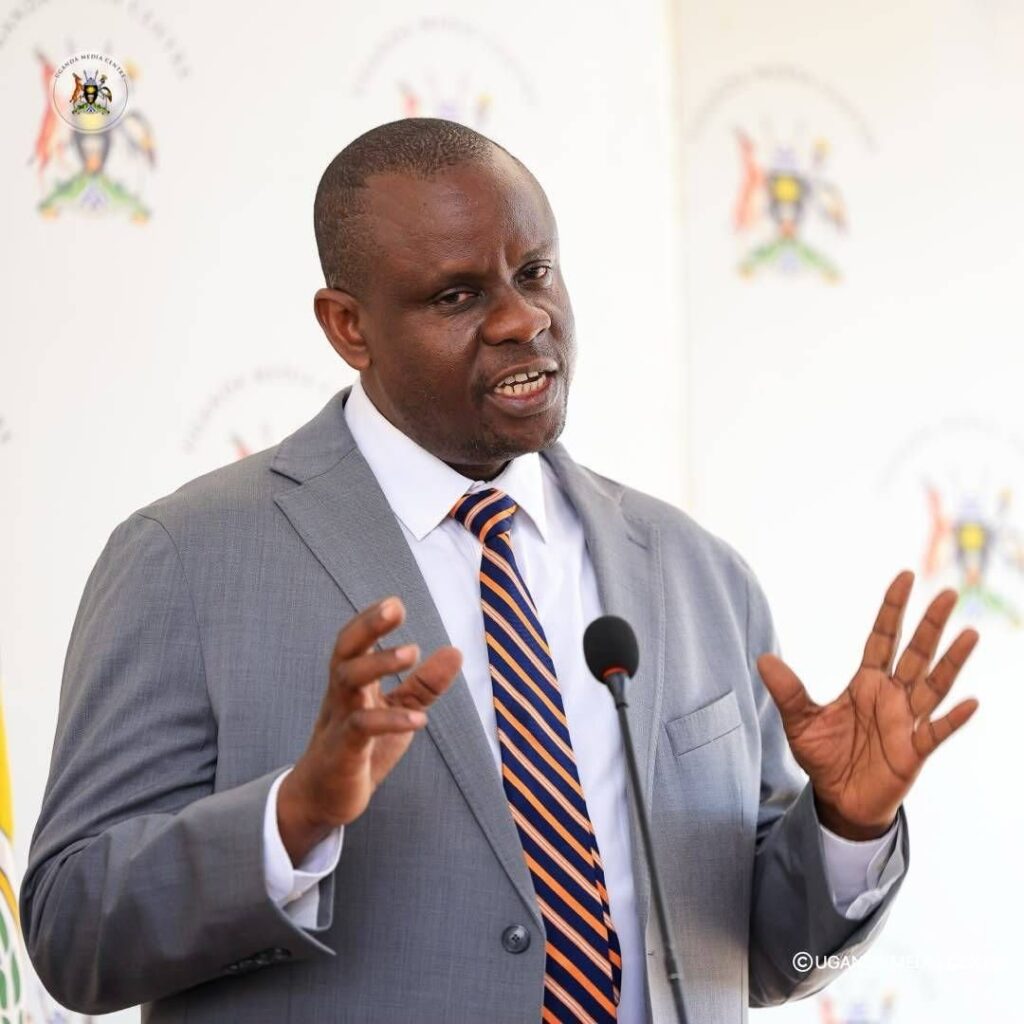
Balaam Barugahara Ateenyi, the Minister of Local Government, on Tuesday, 11 August 2026, issued a nationwide directive ordering bars, malwa joints and alcohol outlets to remain closed until 3:00 pm on working days.
In his letter addressed to all district chairpersons, city mayors and council speakers, Barugahara said the directive aims to protect children, encourage productivity and restore discipline in communities.
He directed that bars and alcohol outlets that repeatedly defy lawful operating-hour directives should be closed and appropriate enforcement action taken against persistent offenders in accordance with the law.
While the government says the measures are intended to boost productivity and curb crime, some residents and business owners in Kotido Municipality have questioned the powers available to local governments to impose specific operating hours.
Francis Elungat, the proprietor of Lucky’s Pub, popularly known as Kidangidangi, described the directive as a direct attack on people who depend on bars and malwa businesses for their livelihoods.
He noted that his business largely depends on morning sales to support his family and that the restrictions could affect his daily income.
Elungat also questioned the legal basis for restricting the operating hours of bars, pointing out that businesses have licences and tax obligations.
“The intention is good, particularly in terms of transparency, accountability and protecting young people from alcohol and betting,” he said.
However, Elungat added that Ugandans also need to know what existing laws allow local governments to do when imposing specific operating hours.
“Good governance necessitates both sound policies and respect for the law and due process,” he argued.
Stella Akurut, the LC1 chairperson of Police Cell in Central Ward and an Ebutia brewer, said the malwa business in Kotido and the wider Karamoja region thrives during the day, generating good returns, and that restricting operating hours could cripple many businesses.
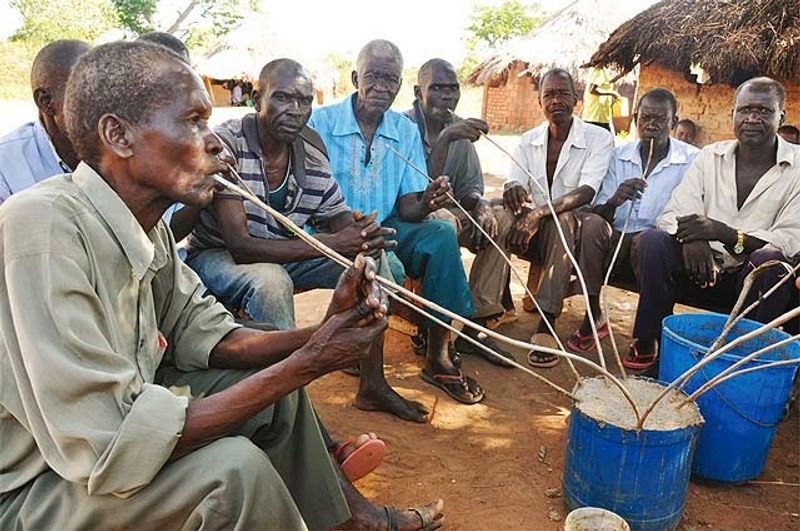
Ebutia is a traditional, low-alcohol fermented beverage made by the Karamojong people. It is primarily brewed from staple grains such as sorghum, millet or maize and plays an important cultural role in social gatherings, celebrations and daily community life.
Akurut said she was worried about how she would repay the Parish Development Model (PDM) loan she borrowed to start her malwa business if the directive comes into force.
Jeosophat Muganza, an alcohol consumer, urged the government to stop copying laws from other countries, warning that such measures could cripple the country’s economy and increase alcohol consumption among locals because of the limited time available to drink.
Moses Lincon Sagal, the Speaker of Kotido Central Division, welcomed the intention behind the directive but urged the government to ensure that its implementation follows the law.
He also urged the government to first sensitise the local population about the contentious new directive before enforcing it.
Sagal said government ministries often introduce controversial policies without adequately involving local leaders and the public, making their implementation difficult.
Meanwhile, Calvin Moding, the LCIII chairperson of Kapeta Sub-county, said the announcement was something he had expected from the government.
He said young people were increasingly becoming involved in alcohol consumption without engaging in gainful employment.
Moding said that, for bar owners, the practical question was whether the 3:00 pm requirement would be enforced uniformly across the country or whether individual local governments would adopt different approaches based on their circumstances and legal powers.
“For the government, the challenge will be ensuring that the directive does not become another regulation that exists on paper but is poorly enforced,” Moding said.
According to data from the World Health Organization (WHO), Uganda ranks first in alcohol consumption in Africa.
On average, each person in Uganda consumes 12.21 litres of pure alcohol per year, nearly double the African regional average of 6.3 litres and the global average of 6.18 litres.