
 Etoil A Karamoja
Etoil A Karamoja
Etoil A Karamoja
10 August 2026, 2:39 pm
By Joe Wacha and Moses Lokeris
For many years, the Jie community in Kotido District has been known for two things: livestock keeping and armed raids. Today, however, a new story is emerging.
For many young men, carrying a gun once seemed like the only path to survival, respect and wealth. But that path came at a heavy cost.
Families lost loved ones, communities lived in fear, and many young lives were cut short.
Today, in North Division, formerly known as Losilang, a few kilometres north of Kotido town, a fresh story is taking root.
Where gunshots once echoed across the plains, the sound of tractors and hoes is beginning to replace them.
Former cattle raiders are now clearing land, planting crops and encouraging others to choose peace over violence.
The change began after the Government’s disarmament exercise and the presidential amnesty, which encouraged people to voluntarily surrender illegal firearms.
For many former raiders, however, laying down their guns raised a difficult question: how would they survive?
The answer came through a rare partnership with the Justice and Peace Department of Kotido Catholic Diocese, which has been helping former raiders rebuild their lives through farming, savings groups and peace-building activities.
One of the beneficiaries is Logachiya Etogogongo Ekisil, a group formed in 2023 by former raiders determined to leave their violent past behind.
The group’s chairperson, Peter Lochap, says they started with a simple dream: to promote peace while creating a better future through farming.
Today, the group has grown to 40 members. Together, they cultivate sorghum, millet, simsim and vegetables, while also operating a savings scheme that allows members to borrow money for small businesses and household needs.
“We realised that peace brings more benefits than cattle raiding,” Lochap says. “Instead of fighting, we now spend our time farming and encouraging others to abandon violence.”
The group’s peace campaigns have already convinced five people to voluntarily hand over illegal guns to the Government.
For Moding Peter Apa Nyakuring, 29, the turning point came after losing too many friends during cattle raids.
“We sat together as young people and remembered all those friends we lost during the many raids,” he recalls. “That is when we agreed to become peace ambassadors.”
Today, Apa Nyakuring travels with fellow group members to former conflict hotspots, encouraging those still hiding illegal firearms to take advantage of the Government’s amnesty.
He says the biggest change is not only in what he does, but also in how he thinks.
“In the past, whenever I needed money, my mind immediately went to raiding cattle. Today, if I have a problem at home, I simply borrow from our savings group and repay later. Life is much better.”
Another former raider, Namuya Apalonyang, describes cattle raiding as “a death trap”.
“We lost friends almost every time we went out to raid,” he says. “I realised it wasn’t worth it.”
Today, he proudly talks about farming instead of fighting.
“My children now go to school because of what I earn from farming,” he says. “Even when the harvest is poor, I have no desire to return to cattle raiding.”
His message to those still hiding in the bush is clear:
“Surrender your guns while the Government is still offering amnesty. Farming has challenges, but it is far better than dying during a cattle raid or living in fear of being hunted down by the military.”
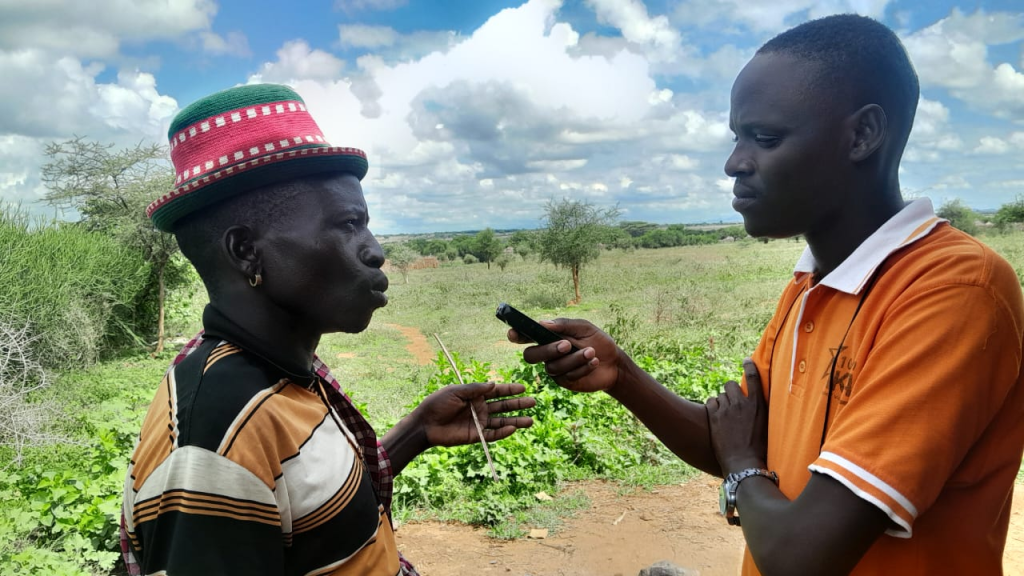
The change has not only involved former raiders. Women have also become active participants.
Twenty-five-year-old Nakong Lucia joined the group last year after witnessing its commitment to peace.
She says the savings group has helped many families cope with emergencies by providing small loans at affordable interest rates.
“Whenever I have urgent needs at home, I borrow from the group and repay later,” she says. “It has improved our lives.”
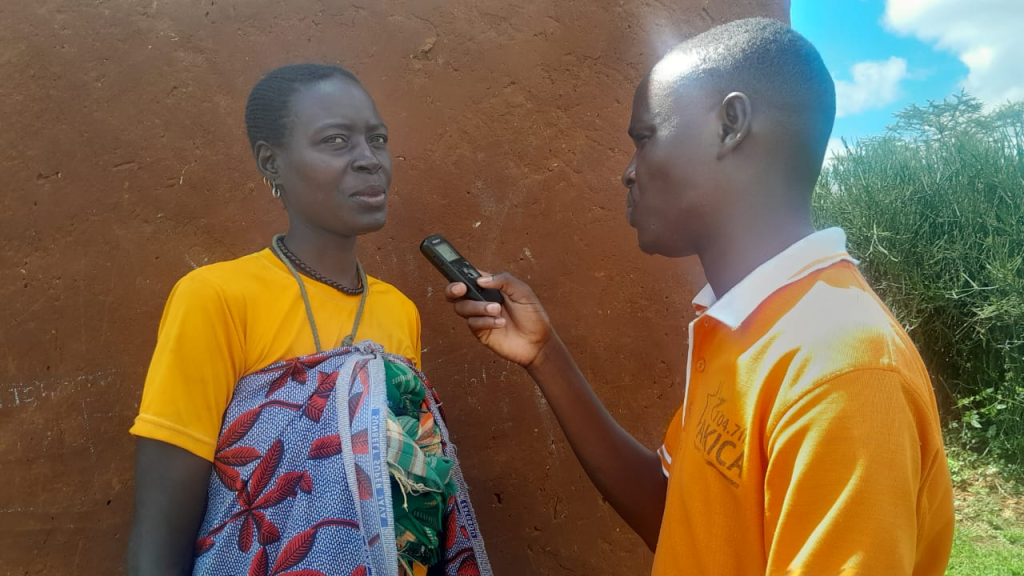
Besides growing cereals such as sorghum, millet and simsim, members also cultivate vegetables, which they sell in Kotido town to earn extra income.
Yet despite their determination, the former raiders now face another battle in the form of climate change.
Erratic rainfall, prolonged drought and pests continue to destroy crops, leaving many farmers with poor harvests despite cultivating large areas of land.
For the Justice and Peace Department of Kotido Catholic Diocese, supporting young people to embrace farming was never just about agriculture.
According to the department’s head, Nicola Carradori, the idea came directly from the former raiders themselves.
During peace dialogues organised by the Diocese, many young men said they wanted to surrender their guns but did not know how they would survive afterwards.
“They kept asking us, ‘If we leave the bush, what will we do?’” Nicola explains. “Unfortunately, many promises had been made to them before by different people, including some politicians and NGOs, but very little support actually reached them.”
Determined not to repeat those mistakes, the Justice and Peace Department of Kotido Diocese began helping the groups prepare their land using the Diocese’s lone tractor, with additional support from the German organisation Mondo Aperto Onlus.
Last year alone, the programme ploughed more than 200 acres for former raiders.
This year, 21 groups are being supported with tractor ploughing services to cultivate about 210 acres, while another 37 groups in Kotido and Kaabong are receiving support through oxen hired with funding from partners, including the Italian Catholic Bishops’ Conference (CEI), Mondo Aperto Onlus, Zivik and Agiamondo.
Some groups have harvested as many as 30 bags of sorghum in a season.
Others have invested their profits in savings groups and small businesses, while some have even purchased milling machines worth more than four million shillings without external support.
But perhaps the greatest success has been less visible.
“The biggest change has been psychological,” Nicola says. “These young people now believe they have a future. They work together, they support one another and they are far less likely to think about returning to the bush to participate in raiding.”
The demand for support continues to grow as more former raiders seek to join the programme.
Unpredictable weather has become a major threat, while the Diocese has only one tractor to serve dozens of groups.
Nicola also points to another deep-rooted challenge: the dependency mindset that has developed over many years of humanitarian assistance in the Karamoja region.
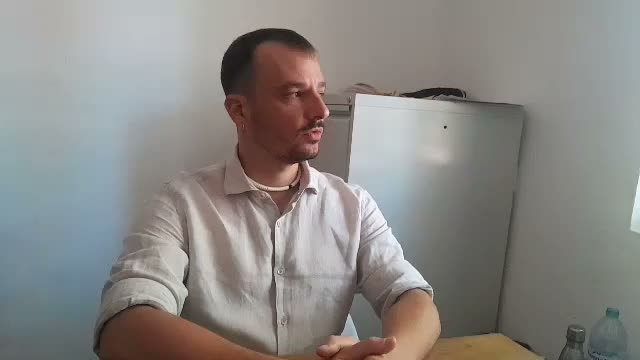
He believes long-term success will depend on helping communities become self-reliant rather than dependent on aid.
“Our goal is not to support these groups forever,” he says. “We want them to become independent so they can sustain themselves using their own resources.”
Looking across the fields of Losilang today, that vision no longer seems impossible.
The men who once carried guns now proudly carry hoes, with confident smiles on their faces. The hands that once raided cattle now plant seeds.
Instead of planning attacks, they speak about harvests, savings and school fees.
Their journey is far from over, and climate change continues to test their determination. But one thing is already clear.
The strongest foundation for lasting peace in Karamoja may not be found in military operations alone.
It may well lie in fertile fields, shared harvests and the determination of former warriors who have chosen to build their future by cultivating the land rather than through the barrel of a gun.