
 Etoil A Karamoja
26 October 2026, 12:32 pm
By Lazaro Apunyo
KARAMOJA: President Yoweri Kaguta Museveni has cautioned young people in Karamoja against returning to cattle rustling, urging them to embrace current prevailing peace, productive work and wealth creation.
Museveni’s message was delivered on Sunday, October 25, 2026, by John Baptist Lokii, the Minister for Karamoja Affairs and NRM Vice Chairperson for Karamoja, who represented the President as Guest of Honour at celebrations marking 50 years of Karamoja Diocese in Moroto.
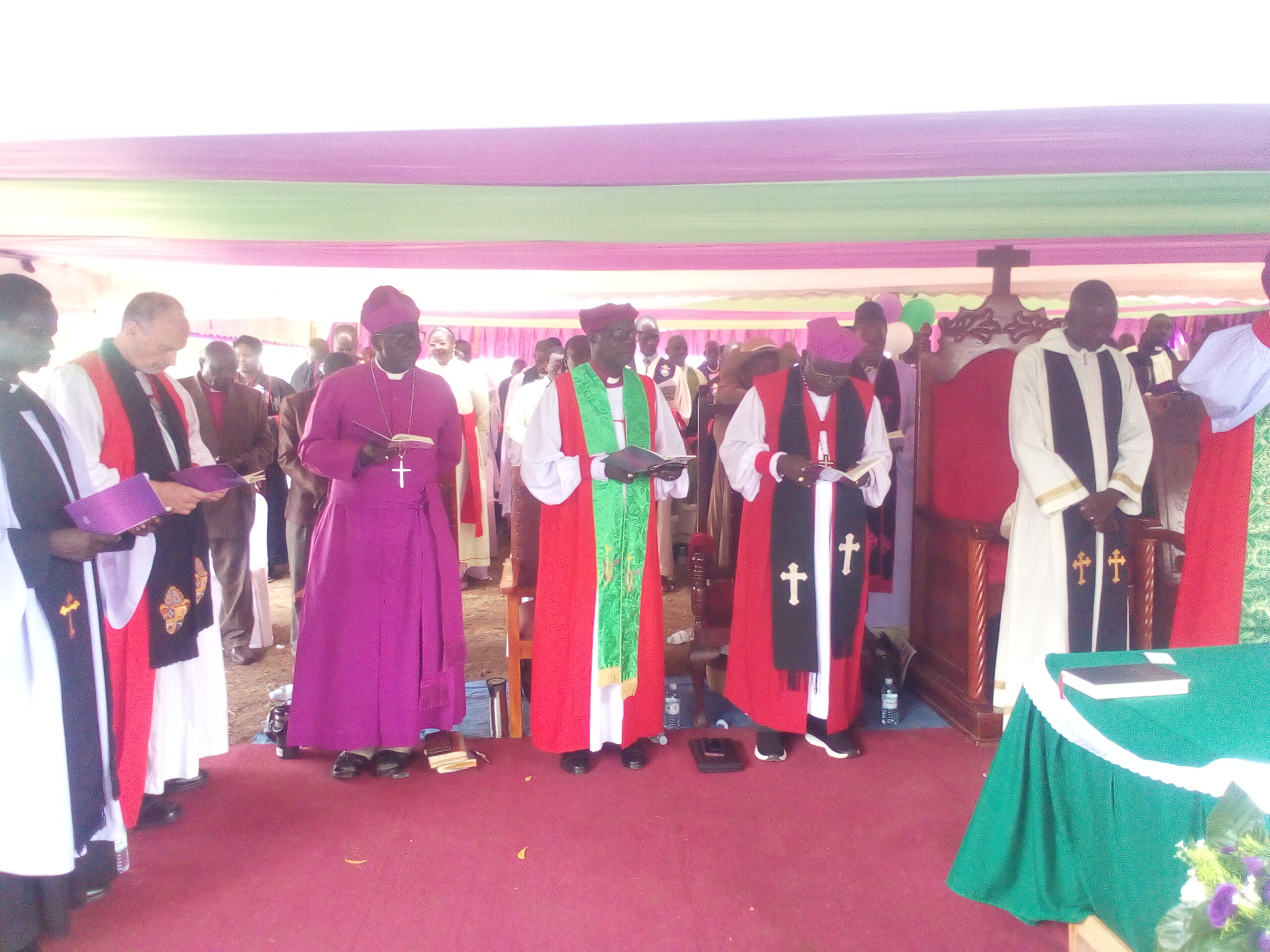
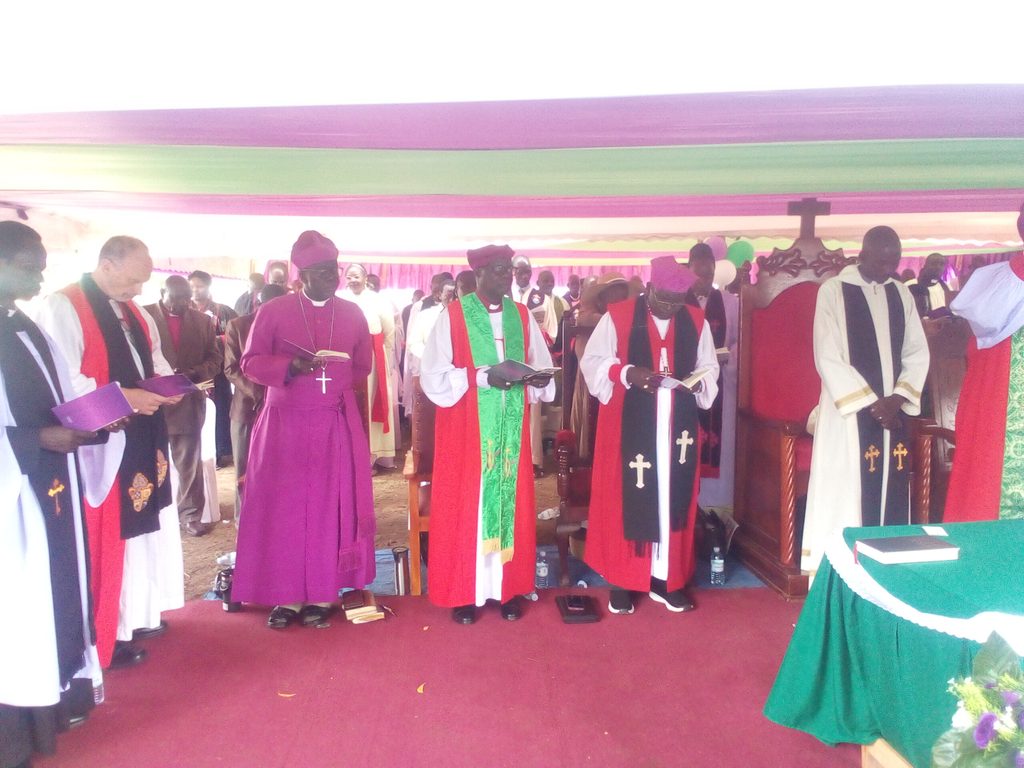
The Golden Jubilee celebrations, was held at St Philip’s Cathedral in Moroto under the theme “Thus Far the Lord Has Brought Us,” mark an important milestone for the Church and the communities it serves.
It featured a fundraising drive for the construction of the diocesan Bishop’s House and attracted political leaders from the Karamoja sub-region, religious leaders, Christians and members of the Pokot community from neighbouring Kenya.
In his message, Museveni challenged the belief that carrying guns and stealing livestock are signs of bravery, warning that cattle rustling undermines the region’s development by exposing communities to violence, destroying livelihoods and disrupting access to education, healthcare and other public services.
“Many of our people had been misinformed about what is important. Some thought that carrying a gun and stealing cows was bravery, but I had to show them that true strength is building a future,” Museveni said.
He argued that genuine progress comes from peaceful livelihoods and productive economic activities.
“When it comes to you people of Karamoja, we need to stop insecurity so that we now start planning, we can’t create wealth when there’s chaos. Stop the cattle raiding,” Museveni cautioned.
President Museveni acknowledged that Karamoja continues to grapple with poverty, hunger and underdevelopment but said residents could improve their livelihoods by taking advantage of government programmes, particularly Emyooga.
He said insecurity had for years hindered development in the region but noted that the government’s disarmament efforts had helped restore peace, creating an opportunity for residents to focus on economic activities.
The President’s message aligns with the diocese’s long-standing efforts to promote peace, education and community transformation in Karamoja, where cattle remain central to the livelihoods, identity and cultural practices of many households.
Canon Joshua Agan, the Chairperson of the Karamoja Diocese Development Committee, welcomed the President’s message but said the region continued to lag partly because some residents remained focused on cattle rustling instead of engaging in government programmes and other productive economic activities.
Agan said the diocese had previously lobbied the President for a vehicle for the Bishop, but the house currently accommodating the Bishop was old and too small, prompting the fundraising drive.
Diocese’s Growth
In his remarks, Bishop Rt. Rev. Michael Chorey said the milestone reflected the dedication of missionaries, clergy and local Christians who laid the foundation for the growth of Christianity in the sub-region.
Chore said Karamoja Diocese was established on March 11, 1976, after being carved out of Soroti Diocese as a missionary diocese, with Rt. Rev. Brian Hart becoming its first bishop.
However, Hart’s ministry was interrupted in 1977 when he was deported by the government of former President Idi Amin.
A major milestone in the diocese’s history came on March 8, 1987, when Rt. Rev. Peter Lomongin became the first African and native Karimojong to lead the diocese as bishop.
Chore traced the introduction of the Church Missionary Society’s work in Karamoja to 1929, when Lotome became the first mission station. The gospel later spread to Kiru in 1931, Kotido in 1948, Moroto in 1959 and Namalu in 1961.
At the time the diocese was established in 1976, it had one archdeaconry and six parishes of Lotome, Moroto, Kotido, Kaabong, Ladwor and Namalu, served by only four clergy.
The bishop said the church continued to expand in the following years, with the number of parishes exceeding ten and the clergy increasing to eleven by 1982.
“Today we celebrate having more than 36 clergy. We have every reason to say, ‘Thus far the Lord has brought us,’” Bishop Chorey said, referring to the theme of the Golden Jubilee celebrations.
He paid tribute to missionaries, clergy, teachers, health workers and faithful Christians whose contribution over the decades helped establish and sustain the church’s presence in Karamoja.
The bishop said their efforts had contributed to the growth of Christian ministry and the development of church institutions across the sub-region.
Bishop Chorey, who is the fifth bishop of Karamoja Diocese, was enthroned on August 24, 2024.
The Golden Jubilee marks 50 years since the establishment of the diocese in 1976 and provides an opportunity to reflect on its historical journey, acknowledge the contribution of its founders and assess its mission in the years ahead.