
 Etoil A Karamoja
Etoil A Karamoja
Etoil A Karamoja
10 August 2026, 2:26 pm
By Alexander Mackey Okori
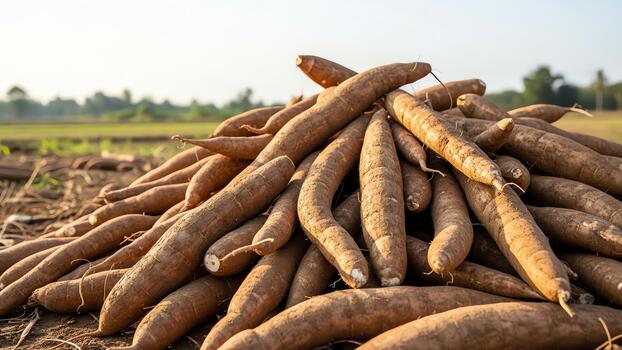
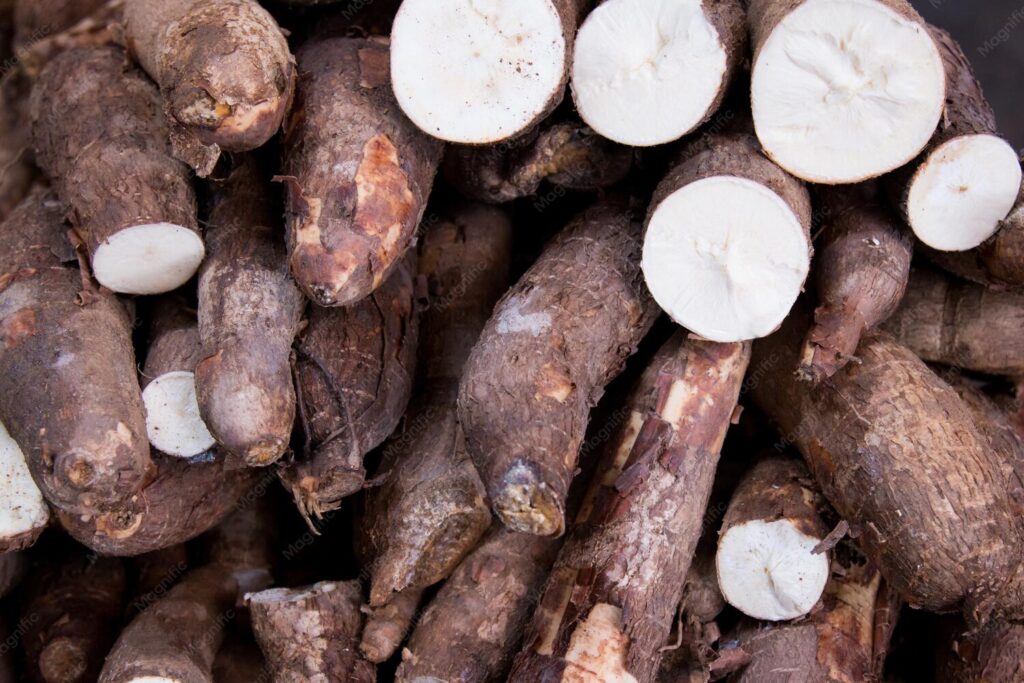
The leadership of Karenga District is considering enacting an ordinance on mandatory cassava growing to promote food security and address the severe hunger affecting the area as a result of prolonged drought.
The move comes at a time when nearly half a million people in the Karamoja Sub-region are facing acute hunger after successive climate shocks, poor harvests and rising food prices eroded livelihoods, according to the latest Integrated Food Security Phase Classification (IPC) analysis cited by Oxfam Uganda.
The assessment, conducted between April and July this year, indicates that about 473,000 people, nearly one in three of those assessed in the region, are facing crisis levels of acute food insecurity.
The IPC estimates that about 122,100 children under the age of five will require treatment for acute malnutrition between March 2026 and February 2027, including 30,600 cases of severe acute malnutrition.
All nine districts in Karamoja are classified in IPC Phase 3, with the most severe conditions observed in Kaabong, Kotido, Karenga, Moroto and Nabilatuk, where up to five per cent of the population is in emergency conditions and as many as 45 per cent face crisis-level outcomes or worse (IPC Phase 3 or above).
Compared with the same period last year, the situation has moderately deteriorated, with a two per cent increase in the population facing IPC Phase 3 or above. The deterioration has been driven by climatic shocks, below-average food and livestock production, pest and disease outbreaks, and high food prices.
The food security situation is projected to improve seasonally between August 2026 and February 2027, with the population in IPC Phase 3 or above expected to decrease to 352,000 people, representing 24 per cent of the analysed population. No populations are projected to be in IPC Phase 4 during this period.
However, food insecurity is expected to remain structurally persistent, particularly in Kaabong, Kotido, Karenga and Moroto, where between 25 and 35 per cent of households are still expected to face crisis-level outcomes.
As part of the long-term interventions, Paul Lopeyok, the Karenga District LCV Chairperson, said his office is currently drafting a proposed ordinance on mandatory cassava production.
“Once the draft ordinance is complete, the district will hold consultative meetings with various stakeholders on the proposed ordinance before it is presented to council for approval,” Lopeyok said.
Under the proposed ordinance, Lopeyok said every household would be required to grow at least two acres of cassava each year.
He believes the initiative will strengthen food security and address the persistent famine in the area caused by climate shocks.
Lopeyok noted that some families in the district who planted cassava have not been severely affected by the current hunger crisis in the Karamoja Sub-region, which has been worsened by prolonged drought and widespread crop failures.
“Most of the families that have been hit hard by famine in Karenga are the ones that do not grow cassava. We want to come up with this ordinance to enable this district to become a cassava-growing hub in the Karamoja Sub-region and eradicate poverty,” he told this publication in a phone interview.
Denis Ilukol Lokuda, the LCIII Chairperson of Lobalangit Sub-county, has welcomed the move to enact a district ordinance on compulsory cassava growing.
He said growing cassava would not only help fight famine but also improve the livelihoods of local residents.
“We have the capacity to produce beyond demand because we have the land and the manpower. All we need is to rally the Government to support our people with improved cassava varieties and cuttings,” Ilukol Lokuda said.
He said the effects of climate change were worsening the situation and warned that more people could be at risk of starvation.
“With the current relative peace in the area, many people are willing to engage in agriculture as livestock numbers continue to decline. Many are now turning to farming, although they are often affected by climate shocks,” Lokuda said.