
 Radio Wa
Radio Wa
Radio Wa
26 June 2026, 10:20 am
By Agness Agilo
“Our land is tired, but it can heal. One farmer in Agweng proved it. By changing his crops, he repaired the soil, water and air. This is crop rotation.”
In Agweng Sub-county, Lira District, farmer Richard Opyene says his soil was exhausted. Years of continuous maize cultivation left the land bare, while rainfall increasingly washed away the topsoil.
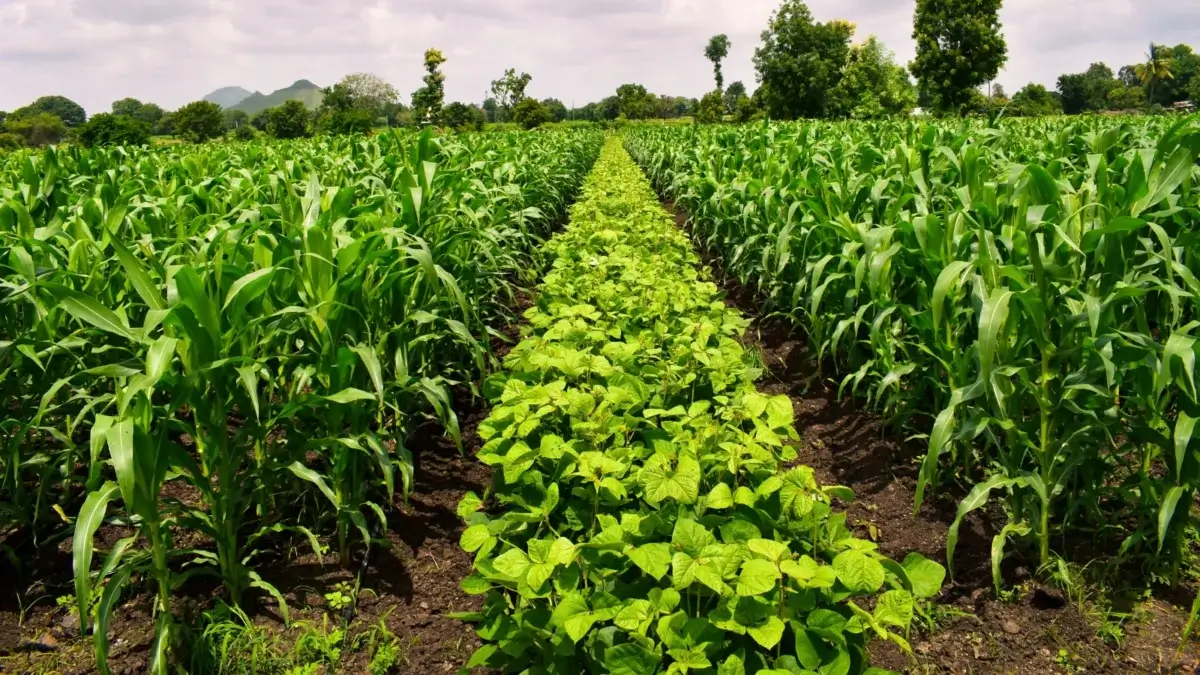
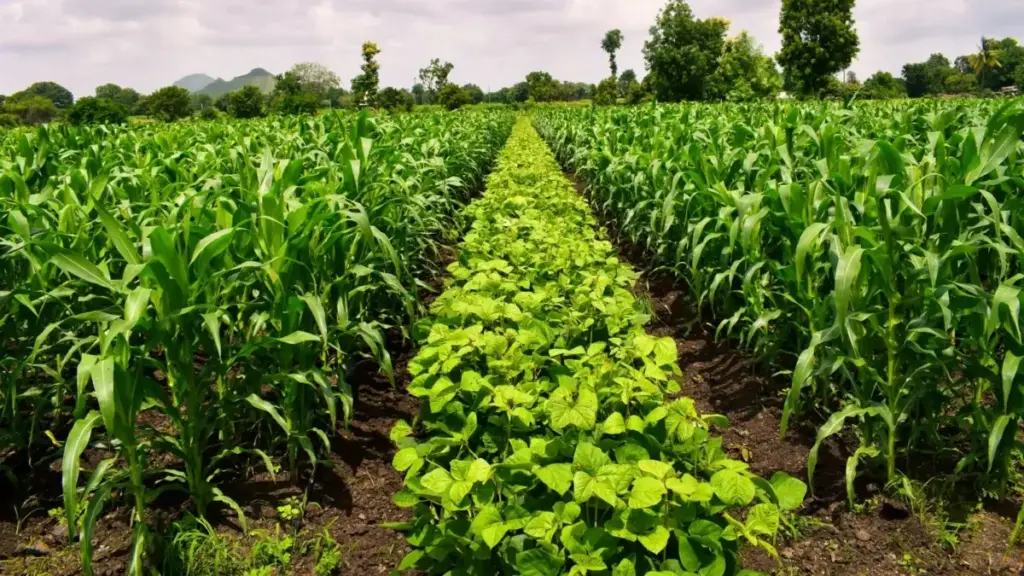
He then adopted crop rotation, planting maize, beans, cassava and pigeon peas before returning to maize.
Mr Opyene explained that his maize is now greener, noting that beans help restore nitrogen in the soil, which has reduced his reliance on fertiliser. He added that stalk borers have disappeared because pests struggle to survive when maize is not continuously grown on the same land.
He further noted that the deep roots of pigeon peas help break up compacted soil, while crop residues protect the ground, allowing rainwater to infiltrate instead of causing erosion on his shamba. He said that after three years, the soil has become darker, softer, richer in earthworms, and better able to retain moisture during dry spells, while also storing carbon in the ground.
Mr Walter Ocen, the Lira District Environment Officer, said crop rotation helps restore the environment by protecting soil, water, biodiversity and the climate. He noted that although the practice is technical in concept, it is practical and remains one of the simplest and most cost-effective ways to restore degraded land.
Mr Ocen explained that crop rotation offers several direct benefits to farmers, including preventing soil depletion, breaking pest cycles, improving soil structure and reducing erosion. He added that it also builds organic matter and helps restore carbon in the soil.
The environment officer urged farmers to adopt the practice and avoid continuous cultivation of a single crop, in order to improve yields and conserve the environment.
He concluded that crop rotation restores degraded land instead of forcing it to absorb the damage caused by continuous monocropping.