
 Radio Wa
Radio Wa
Radio Wa
31 July 2026, 9:12 am
By Agness Agilo
Across Uganda, the effects of climate change are no longer a distant warning; they are being felt in gardens, homes, and markets. In Alito Sub-county, Kole District, farmers who depend on rain-fed agriculture are now trapped in a cycle of extremes, enduring months of prolonged dry spells followed by destructive downpours. The latest disaster has left entire communities counting their losses and facing the threat of hunger.
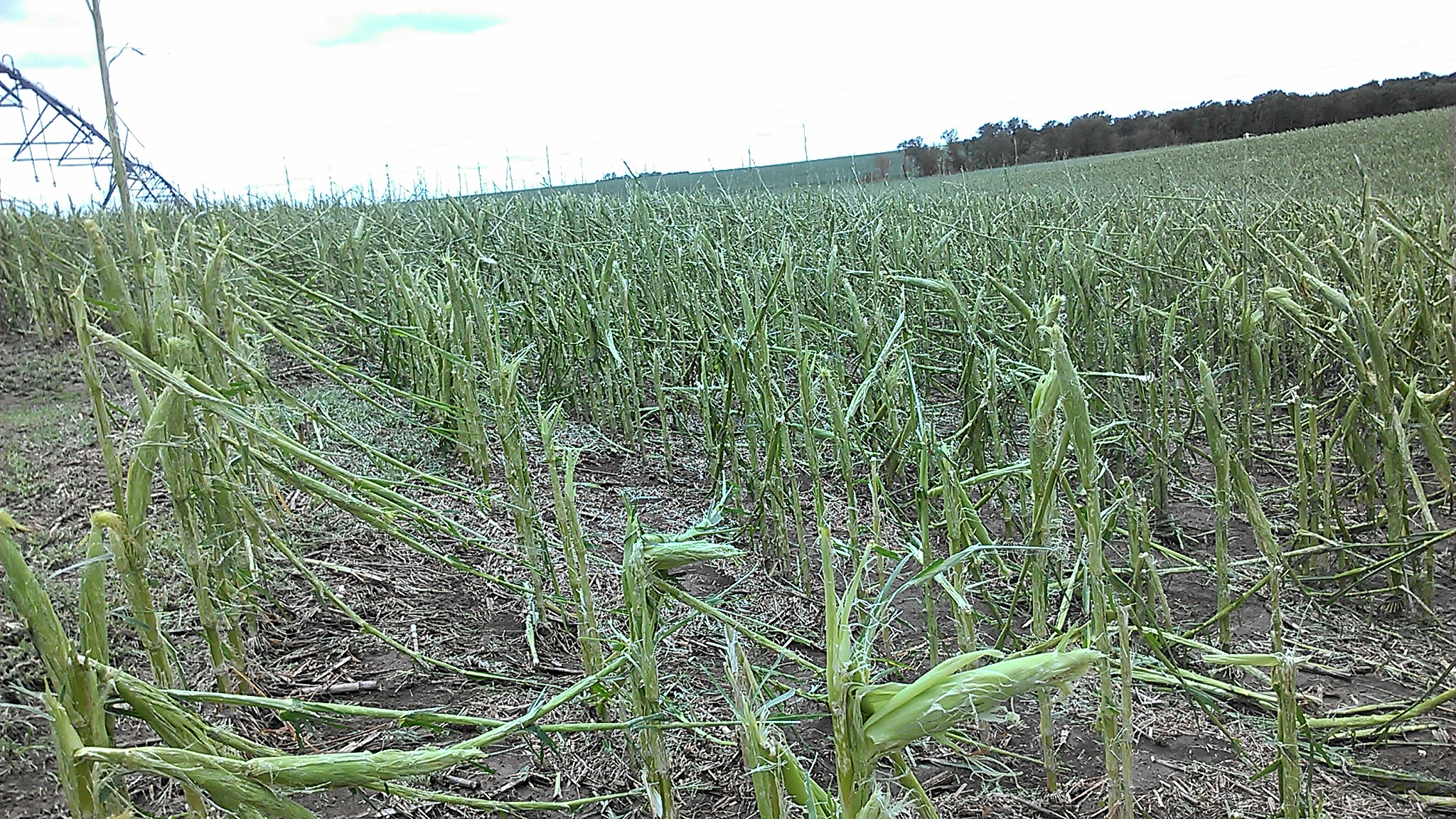
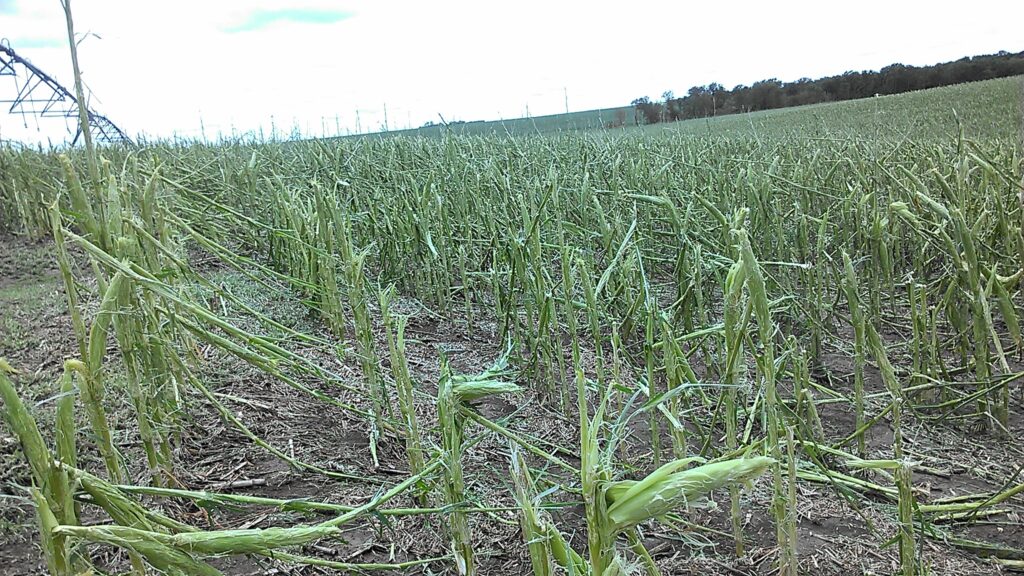
On 28 July 2026, heavy rainfall accompanied by a hailstorm swept through several parishes in Alito Sub-county, destroying crops and flooding homes. The incident comes just months after a prolonged drought during the first planting season devastated gardens across the sub-county.
Benard Tom Olet, the Alito Sub-county LC III Chairperson, told Radio Wa that the hailstorm affected more than five villages in Agoma Parish, eight villages in Ayala Oyaa Parish, seven villages in Amuge Parish, as well as parts of Alito and Barongin parishes.
According to Olet, the worst-affected crops are maize, cassava, and beans planted during the second rainy season.
“The crops our people planted with hope have been completely destroyed. First, we experienced drought, and now we are dealing with hailstorms and flooding. We are concerned about food security in the coming months,” he said.
Olet expressed concern that such weather-related disasters were rare in the past. He attributed the changing weather patterns to the degradation of ecosystems that once helped sustain predictable and stable rainfall.
The Kole District Environment Officer, Geoffrey Oleny, echoed these concerns, noting that the weather across much of the Lango Sub-region is increasingly characterised by prolonged droughts followed by intense rainfall and hailstorms.
“We are witnessing the consequences of human activities on the environment. When people cut down trees, destroy wetlands, and burn vegetation indiscriminately, the climate responds with more frequent disasters. Communities must adopt more sustainable environmental practices,” he said.
The successive impacts of drought and hailstorms in Alito illustrate the growing threat climate change poses to food security and rural livelihoods in Uganda. With staple crops destroyed, many households now face the prospect of food shortages, loss of income, and increased vulnerability.
Environmental experts warn that without urgent measures—such as tree planting, wetland conservation, climate-smart agriculture, and greater community awareness—the frequency and intensity of extreme weather events are likely to increase. For many farmers in Alito, adapting to climate change is no longer a choice but a necessity for survival.