
 Radio Wa
Radio Wa
Radio Wa
7 September 2026, 7:28 pm
By Baker Okello
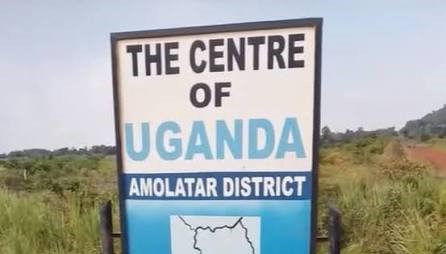
The Association of LC3 Chairpersons in Amolatar District has issued a two-day ultimatum to district leaders to address delays in the payment of their allowances, highlighting growing tensions over financing at the local government level.
Speaking to our reporter, Denis Rembo Ongu, head of the umbrella association of LC3 chairpersons in Amolatar District and LC3 Chairperson of Namasale Sub-county, said delays in quarterly allocations, ex-gratia allowances and the 25 per cent share of locally generated revenue had created serious operational challenges for lower local government leaders.
Ongu said the affected chairpersons had struggled to perform their duties due to a lack of funds to facilitate their day-to-day operations.
He warned that if the two-day ultimatum expires without a response from the district leadership, the LC3 chairpersons will formally submit a joint petition demanding the release of their long-overdue ex-gratia allowances.
Meanwhile, in Otuke District, local leaders have started receiving some of their delayed allowances, according to Simon Obong Opio, the LC3 Chairperson of Adwari Sub-county.
Obong, who also serves as Dean of the Lango LC3 Chairpersons’ Association, said the payments demonstrate the effectiveness of collective action by lower local government leaders.
However, he expressed concern that the leaders were receiving only partial payments, with some receiving half of their delayed ex-gratia allowances and operational funds.
The local leaders say the allowances are essential for covering fuel, transport and other administrative costs required to monitor Government programmes and supervise development projects within their respective sub-counties.
They argue that without the timely disbursement of these funds, their ability to travel across their jurisdictions, monitor Government projects and effectively represent their communities is severely compromised.