
 Radio Wa
Radio Wa
Radio Wa
5 September 2026, 7:52 pm
By Baker Okello
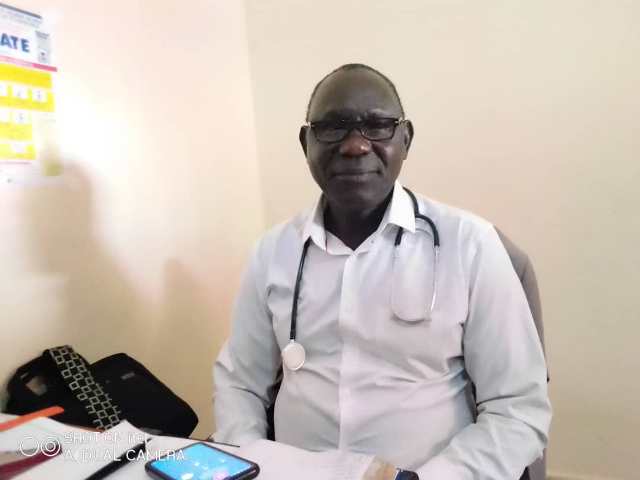
The Clan Head, or Awitong, of the Okii Amat clan, Prof. Dr Richard Nam, has urged parents to have their school-going daughters tested for pregnancy and HIV/AIDS before the beginning of the third school term.
Speaking to our reporter, Dr Nam said early testing would help parents avoid unnecessary financial losses, including paying non-refundable school fees, purchasing school requirements and meeting transport costs for learners who may be sent home shortly after reporting to school.
He expressed concern about the increasing number of new HIV infections among young people, particularly teenagers and adolescents aged between 19 and 24.
Dr Nam identified Lira City as one of the areas facing a significant burden of HIV infections and called for increased awareness and early testing among young people.
Dr Nam, an obstetrician and gynaecologist at Highway Medical Centre, emphasised that HIV testing enables young people who test positive to receive timely counselling and begin antiretroviral therapy before returning to the school environment.
He also attributed some new HIV infections among adolescent girls and young women to economic vulnerabilities, which he said can push some into transactional and intergenerational relationships with older partners in exchange for money and other material support.
Dr Nam warned that such relationships can increase young women’s vulnerability to HIV and other health risks, particularly where economic hardship limits their ability to make independent choices.
He therefore encouraged parents to combine regular health checks with open communication and guidance for their children, especially before the start of a new school term.
As schools prepare to reopen for the third term, Dr Nam’s call highlights the importance of early health screening, parental guidance and access to appropriate healthcare in protecting young people and ensuring they return to school healthy and ready to learn.