
 Radio Wa
Radio Wa
Radio Wa
2 October 2026, 6:38 pm
By Baker Okello
The Senior Executive Consultant and Director of Lira Regional Referral Hospital, Dr. Andrew Odur, has called on regional sickle cell clinics to begin registering and mapping patients according to their clans in an effort to trace ancestral lines associated with the prevalence of sickle cell disease in the Lango sub-region.
Dr. Odur said the initiative could help health workers better understand the origins and patterns of sickle cell disease within communities, particularly among ancestral lines identified as Arak, Atek and Okarowok.
The hospital director made the remarks while revealing that Lira Regional Referral Hospital currently has at least 1,500 children and young adults enrolled at its sickle cell clinic.
He attributed the high prevalence of the condition in Lango, in part, to marriages between couples from the same clans, which he said could contribute to the transmission of the inherited sickle cell trait.
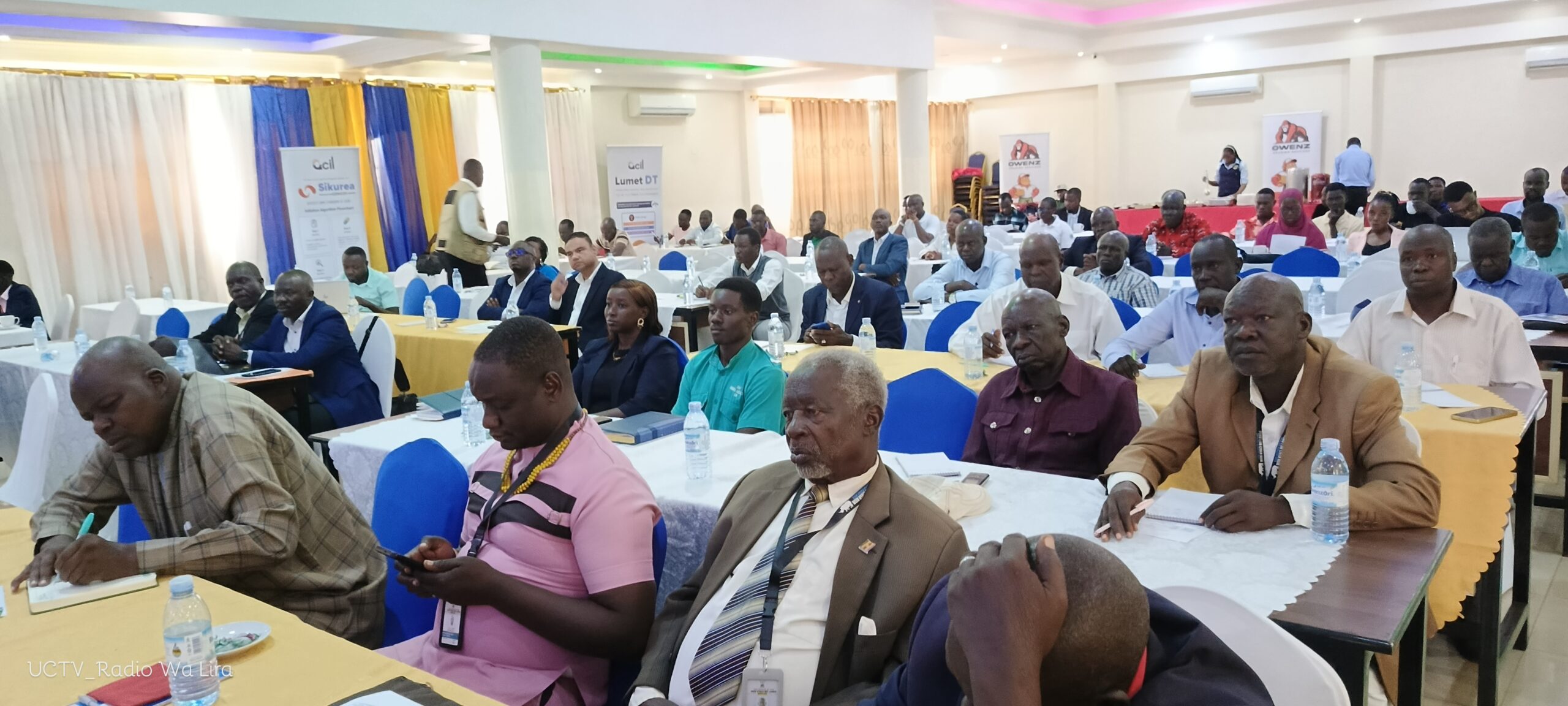
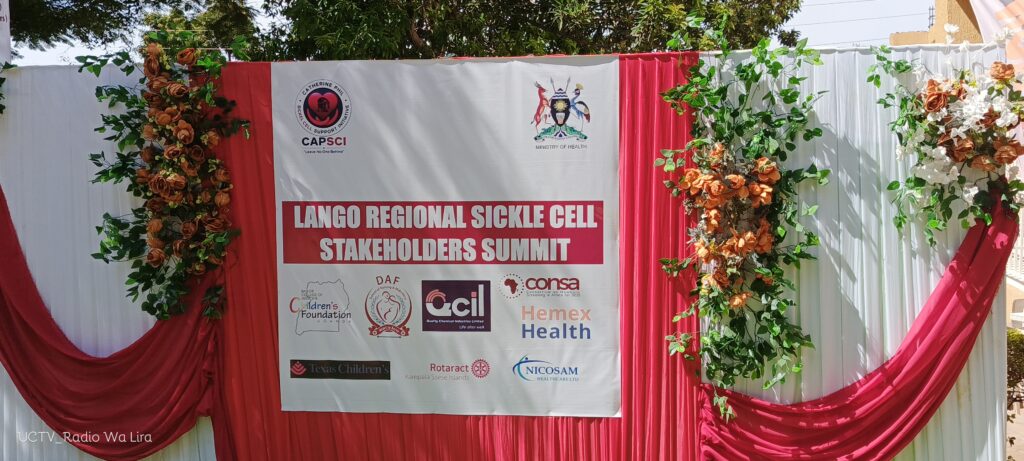
Dr. Odur was speaking today during the Lango Regional Sickle Cell Stakeholders Summit organised by the Catherine Phil Sickle Cell Support Initiative (CAPSCI) in partnership with Lira Regional Referral Hospital at Magarita Palace Hotel in Lira City.
The summit brought together local government leaders, cultural leaders and health stakeholders to discuss the growing burden of sickle cell disease in the Lango sub-region and explore measures to reduce its transmission and impact.
In his opening remarks, Lira District LCV Chairperson Richard Cox Okello Orik called on local councils to strengthen efforts to promote cultural values, responsible social conduct and community development.
Okello also urged communities to observe customary rules governing marriage and kinship, saying this could help prevent incest and preserve clear ancestral and clan lineages.
Meanwhile, Daniel Roy Odur, Executive Director of CAPSCI, appealed to young people and couples intending to marry to undergo sickle cell screening so they can establish their status before entering marriage.
Roy stressed the importance of knowing one’s sickle cell status as a key step in making informed reproductive decisions and reducing the risk of passing the condition to future generations.
Prof. Dr. Alex Ario Otema, Board Chairperson of CAPSCI and Awitong (Clan Leader) of the Apac Okwero Ngec Ayita clan, supported the campaign for sickle cell testing and professional counselling before marriage.
Ario Otema said screening should be accompanied by professional genetic counselling to help intending couples understand their results, particularly where both partners are found to carry the sickle cell trait.
Dr. Miriam Ajambo, the National Coordinator for Sickle Cell Disease at the Ministry of Health, said more than 20,000 children are born with sickle cell disease in Uganda every year.
She further cited Alebtong District as having a reported sickle cell prevalence of 23.8 percent, compared with a national average of approximately 13.3 percent.
Dr. Ajambo said the Ministry of Health, working with cultural leaders and other stakeholders, is pursuing interventions including expanding newborn screening and increasing targeted sickle cell awareness campaigns in schools and universities.
Meanwhile Dr. Angella Mirembe, the Project Coordinator at Baylor foundation Uganda advocated for the rapid scaling of sickle cell interventions, emphasizing that early screening and immediate enrollment into care save lives
Dr. Mirembe confirmed that expanding access to newborn screening kits and services in the greater Lango region is a foundational pillar of Uganda’s massive shift toward early infant care.
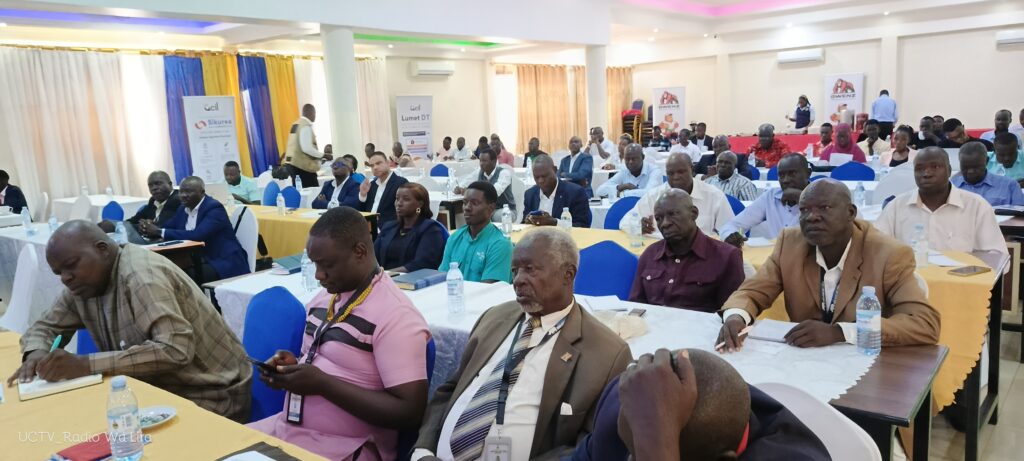
The stakeholders’ summit has therefore renewed calls for early screening, genetic counselling and stronger community awareness, alongside culturally informed approaches, to address the burden of sickle cell disease in Lango.