
 Radio Wa
Radio Wa
Radio Wa
15 October 2026, 10:52 am
By Baker Okello
Viable Uganda, a non-profit organization, has reaffirmed its commitment to partnerships aimed at expanding vocational skilling opportunities for vulnerable and out-of-school youth in the Lango sub-region, where school dropout remains a concern.
The organization’s National Coordinator, Davis Mukiza, made the remarks while speaking to our reporter during follow-up visits to assess the progress of the skilling initiative.
Mukiza said the programme specifically targets young people from marginalised communities who have dropped out of school and lack access to conventional pathways to economic empowerment.
He explained that the initiative seeks to bridge employment gaps by equipping youth with practical technical skills that can help them secure employment or establish their own businesses within their communities.
According to Mukiza, the training focuses on hairdressing, tailoring and electronics repair, which he described as practical skills with the potential to improve livelihoods and promote self-reliance among young people in the region.
He added that the programme also seeks to address the challenges graduates face in transitioning from vocational training to employment, particularly the shortage of start-up capital and equipment.
Meanwhile, Humphrey Ojok, Manager of Te-Dam Cooperative Society, revealed that the organization fully funded a six-month vocational training programme for 96 young people, covering operational expenses, training facilities and learners’ daily welfare.
Ojok said Viable Uganda complemented the initiative by financing specialized vocational trainers, securing training venues and materials, and providing daily meals to ensure participants received practical instruction from experienced professionals.
He noted that the programme offered training in hairdressing, tailoring and tailoring repair to prepare the beneficiaries for opportunities in the local economy.
However, some beneficiaries have identified challenges that could hinder their ability to turn the acquired skills into sustainable businesses.
Orac Innocent and Omara Issa, who underwent training in electronics repair, commended Viable Uganda for giving them an opportunity to acquire practical skills.
They nevertheless cited a shortage of essential machines and working tools as a major obstacle to establishing repair businesses and serving customers in their communities.
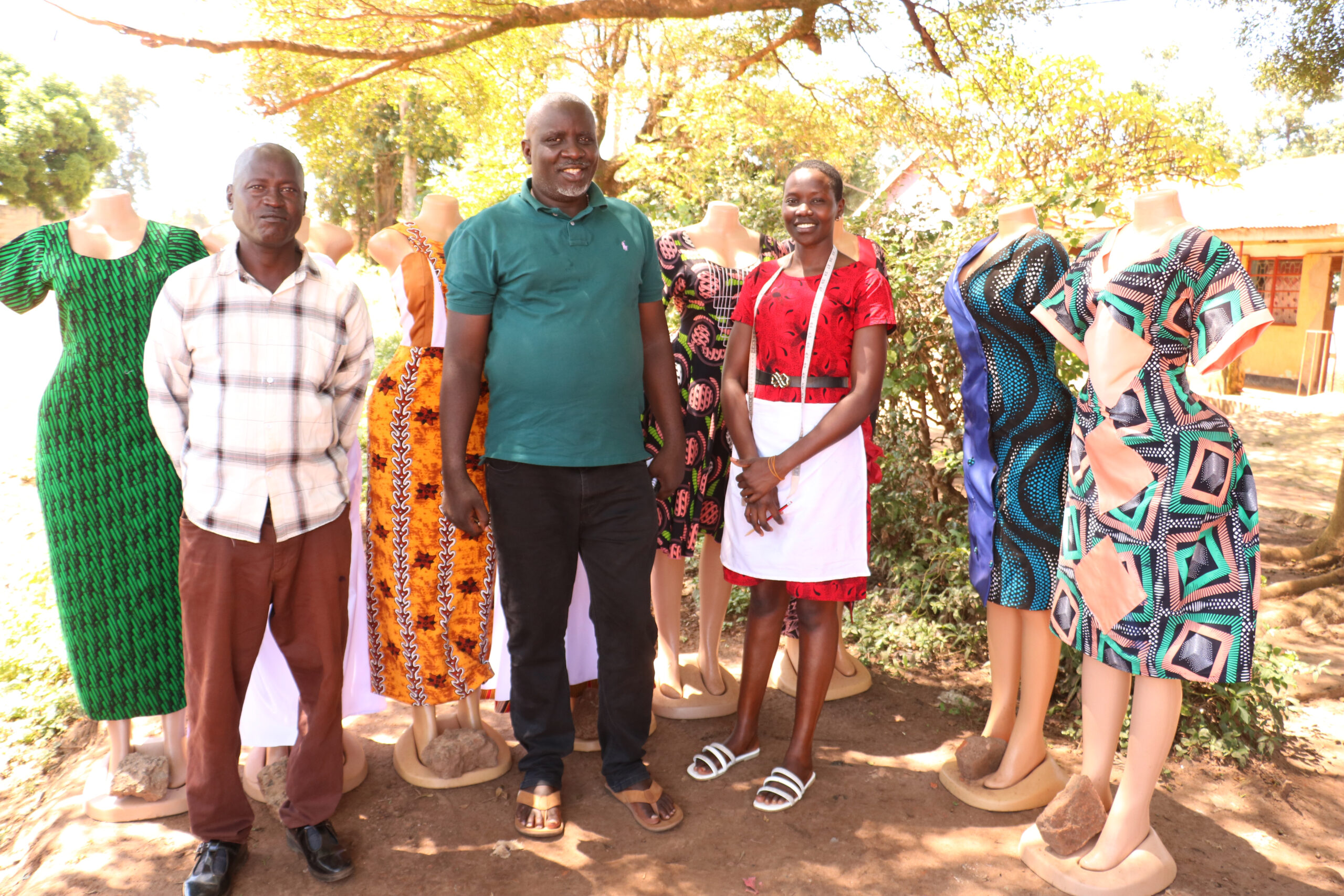
Similarly, Apio Recho Tabitha, a tailoring trainee, and Akiro Miriam, who trained in fashion design, identified a limited customer base and seasonal demand as major challenges facing young people entering the fashion industry.
They said these constraints could affect their ability to generate consistent income despite acquiring the necessary skills.
The initiative highlights the importance of linking vocational training with access to equipment, start-up support and reliable markets to help young people translate their skills into sustainable livelihoods.
Viable Uganda and its partners are seeking to strengthen opportunities for vulnerable youth in the Lango sub-region by promoting practical skills, entrepreneurship and greater economic independence.