

 QFM
QFM
QFM
QFM
18 July 2026, 12:06 pm
By Isaac Erick odongo
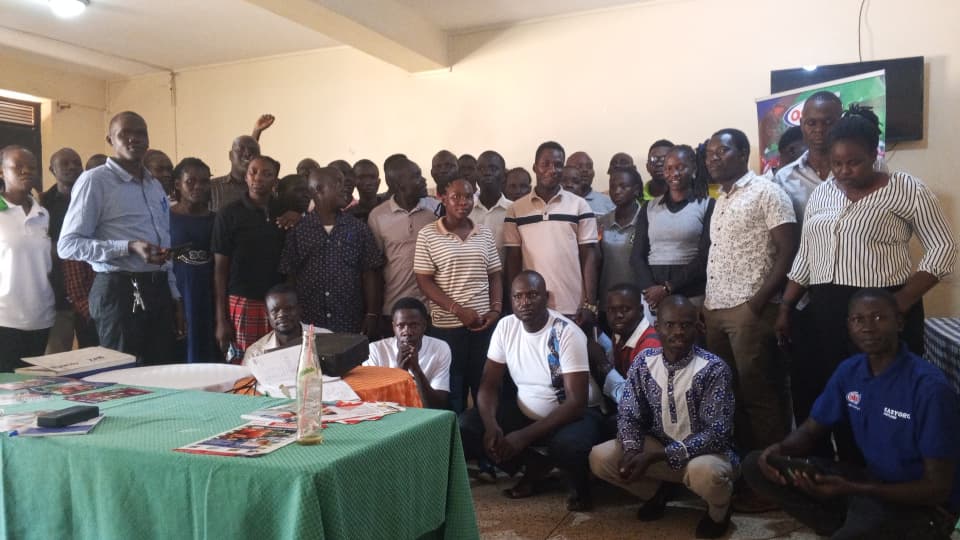
Lira, Uganda – July 17, 2026: Osho Chemical Industry has unveiled new improved seed varieties aimed at helping farmers combat crop diseases and adapt to the effects of climate change while increasing agricultural productivity.
Among the varieties introduced are Terminator F1 tomatoes, Red Pinnony onions, and Jabali F1 cabbage. According to the company, the seeds have been tested and are designed to produce high yields when farmers follow recommended agronomic practices.
Speaking during agro suppliers engagement held at Hotel Good News in Lira on Friday, Sharon Maya, a territorial field executive Officer at Osho Chemical Industry, said the Terminator F1 tomato variety is a high-performing hybrid that can be harvested for three to four months constantly when supported with proper fertilizer application and good crop management.
Maya said the improved varieties are more resilient to common crop diseases and are intended to help farmers achieve better harvests despite changing weather conditions.
She also urged farmers to buy certified seeds and crop protection products from authorized agro-dealers to avoid counterfeit agricultural inputs, emphasizing that quality inputs and proper farming practices are key to maximizing yields.
Local agro-input dealers welcomed the initiative, saying it will improve farmers’ access to genuine agricultural products.
Martin Owani of Pacu en Pacu Farmers Home in Lira said Osho Chemical should ensure they provide these seed verities nearer to the buyers in Lira here to avoid delays even though they will be bringing instantly
Isaac Otim of Lira Farmers Supply House praised the company for not only providing improved seeds but also training agro-dealers and farmers on their proper use. He said the knowledge-sharing initiative is helping farmers make informed decisions that can improve productivity and increase household incomes.
The awareness campaign forms part of Osho Chemical Industry’s efforts to promote the adoption of improved agricultural technologies and strengthen food production among farming communities in northern Uganda.