
 QFM
QFM
QFM
QFM
26 June 2026, 4:37 pm
By Frank Oyugi
LIRA, UGANDA — For decades, the narrative surrounding wealth creation in Northern Uganda has largely centred on traditional, large-scale farming systems. However, at the heart of Lira City, a quiet revolution is taking place on just four acres of land.
City Gate Mixed Farm has become a beacon of hope, demonstrating that a small piece of land, when intensively and strategically utilised, can deliver significant economic transformation.
During a specialised educational field visit hosted at the model farm, young women contesting in the Miss Tourism Northern Uganda pageant were exposed to the realities of agro-tourism and sustainable, climate-smart agriculture.
The visit sought to challenge the perception that agriculture is a low-return venture, instead positioning it as a dynamic backbone of the region’s socio-economic future.
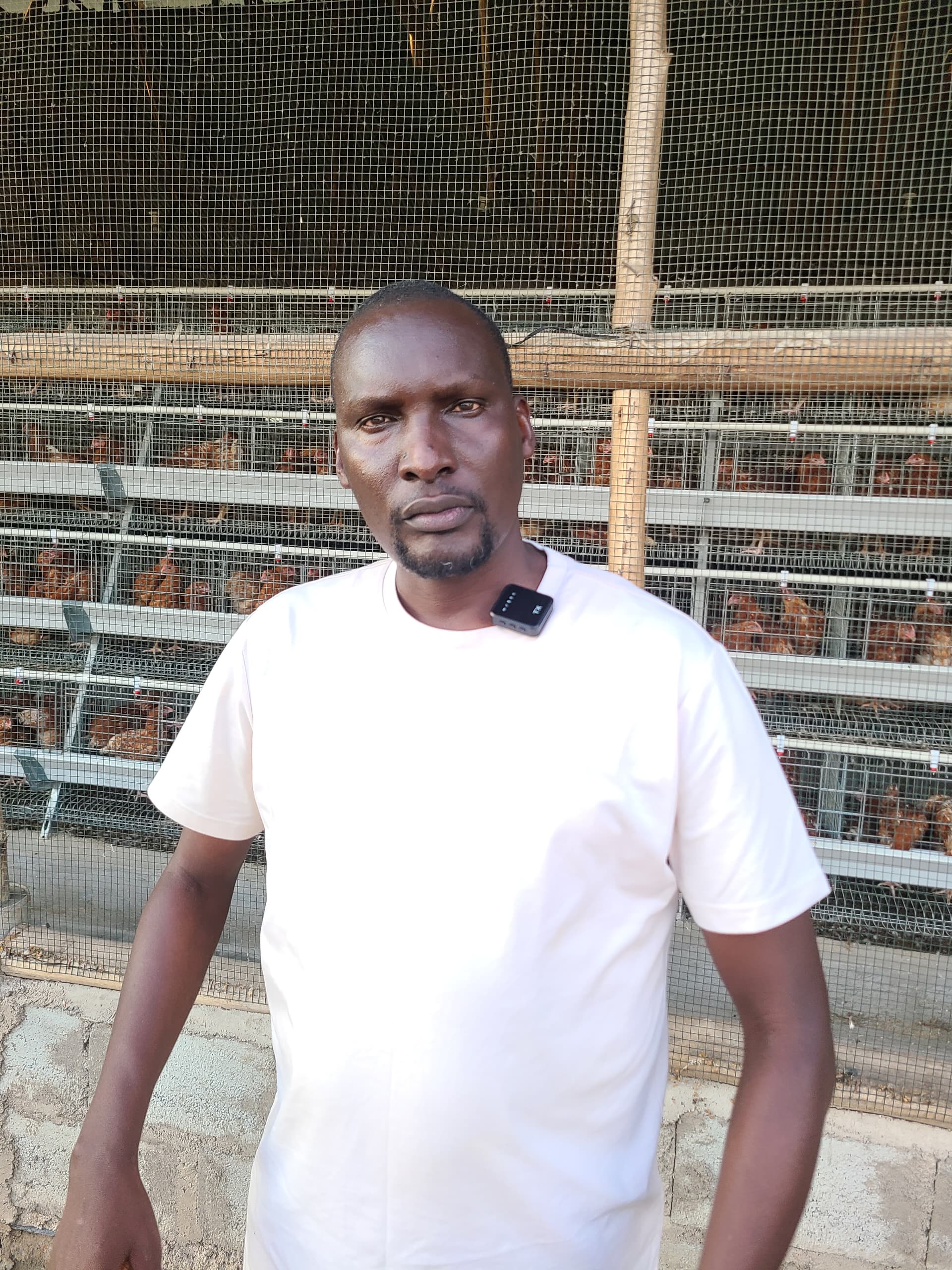
Mr Pius Olam, the Chief Executive Officer of City Gate Mixed Farm, stands among his livestock. Driven by a strong passion for animal husbandry and sustainable farming, Mr Olam has structured his enterprise around a highly efficient, integrated four-acre model.
“First of all, you see, farming to me is a passion,” Mr Olam said, smiling as he spoke about his cattle and poultry. “The love for animals always drives me. Secondly, as we always say, agriculture is the backbone of this country, and that is very true. Once you have something that brings you money on a daily basis, to me, it is a great business.”
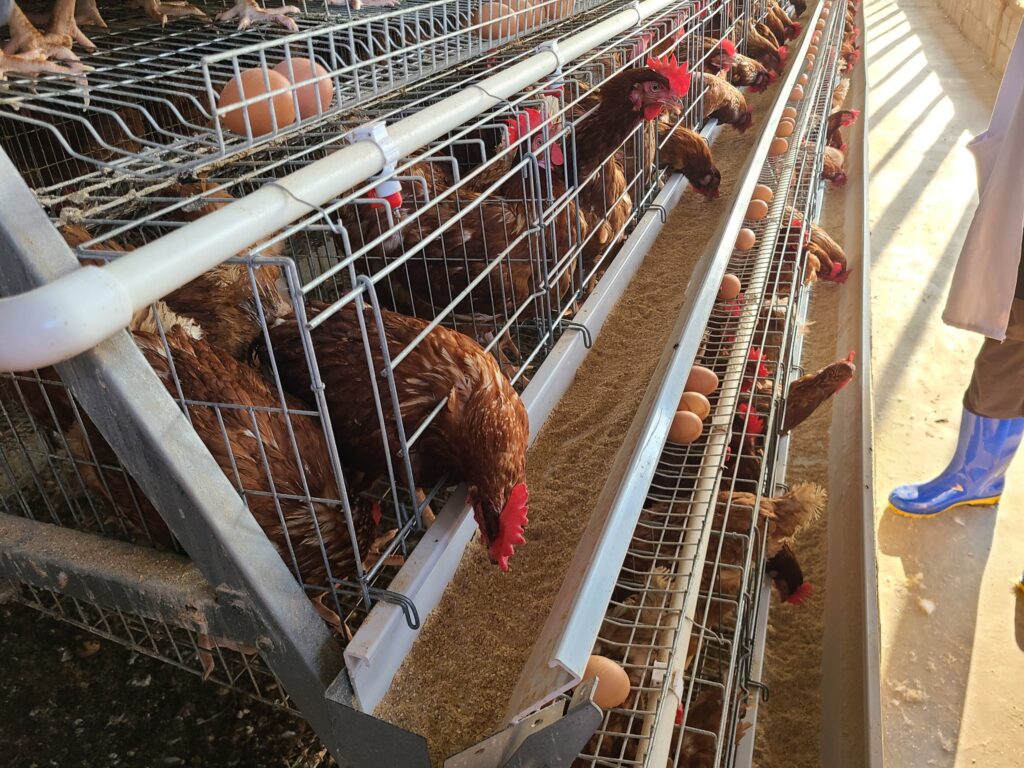
Mr Olam’s model is meticulously diversified to ensure consistent daily cash flow. Each morning, the farm generates income from two main steady streams: thousands of eggs collected from the poultry unit and fresh milk from high-yield Friesian dairy cattle.
To put the figures into perspective, City Gate Mixed Farm’s Operations Manager, Mr Nek Edwin Ian, revealed that the farm currently keeps about 25,000 layer birds alongside approximately 10,000 dual-purpose Kroiler chickens reared primarily for meat.
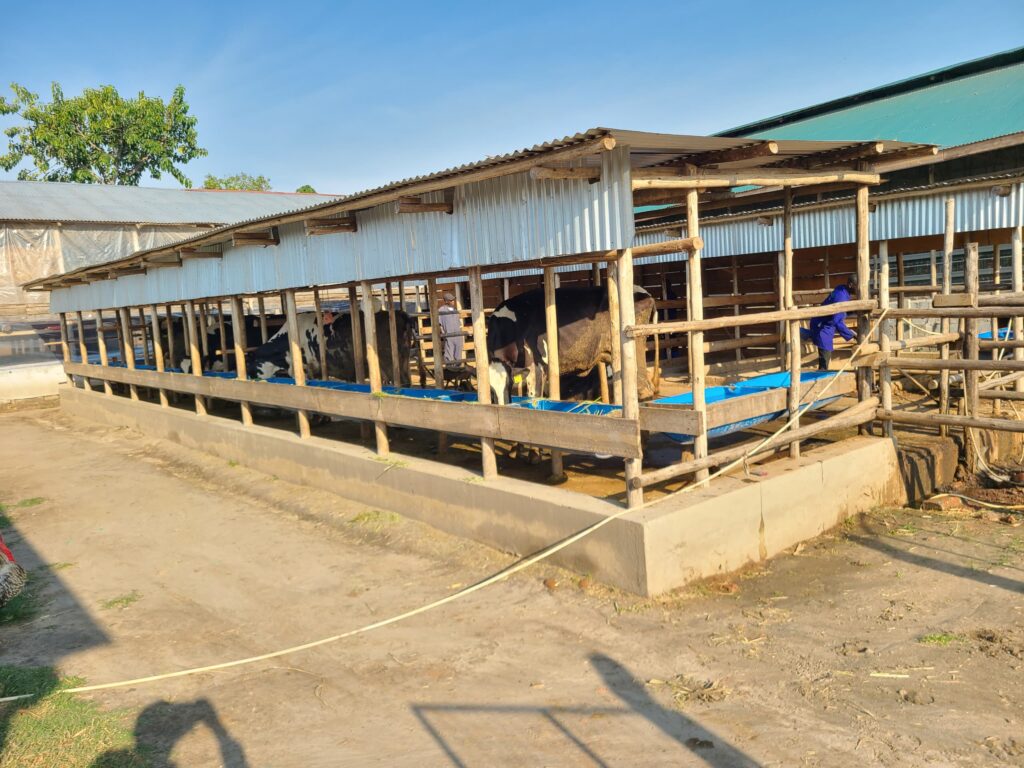
The cattle section operates as a precision-managed unit comprising one breeding bull, ten dairy cows, and four calves, while an expansive ranching arm accommodates nearly 200 free-range cattle.
In addition, the farm processes animal waste into premium organic manure, which is sold to local crop farmers to promote healthy soil ecosystems.
The financial returns from this high-intensity integration are significant. “Approximately in a day, the farm is making roughly 10 million Ugandan shillings,” Mr Ian noted, highlighting the strong economic potential embedded in disciplined agricultural practices.
Managing an enterprise of this scale in Northern Uganda presents distinct challenges. Reliance on high-yield exotic breeds requires strict attention to detail and robust biosecurity measures.
“You’re dealing with something that has blood, just like a human being,” Mr Olam said. “They can wake up sick, and that means they must be given full attention.”
Climate variability also poses a significant challenge. City Gate imports premium South African goat breeds, including Boer, Savannah, and Red Kalahari goats, known for their superior meat quality. However, adapting these animals from Southern Africa to the equatorial climate of Northern Uganda requires rigorous care and management.
Beyond livestock production, Mr Olam’s farm features a thriving demonstration plot of ‘Elite’ clonal coffee, demonstrating that the cash crop can flourish in Northern Uganda’s changing climate while generating additional seasonal income.
For contestants of Miss Tourism Northern Uganda, the visit offered an eye-opening shift in perspective. Accompanied by Olal Jimmy Winter, the Operations Manager for Miss Tourism Uganda Northern Region, the young women experienced first-hand how culture, tourism, and agriculture intersect—a concept known as agro-tourism.
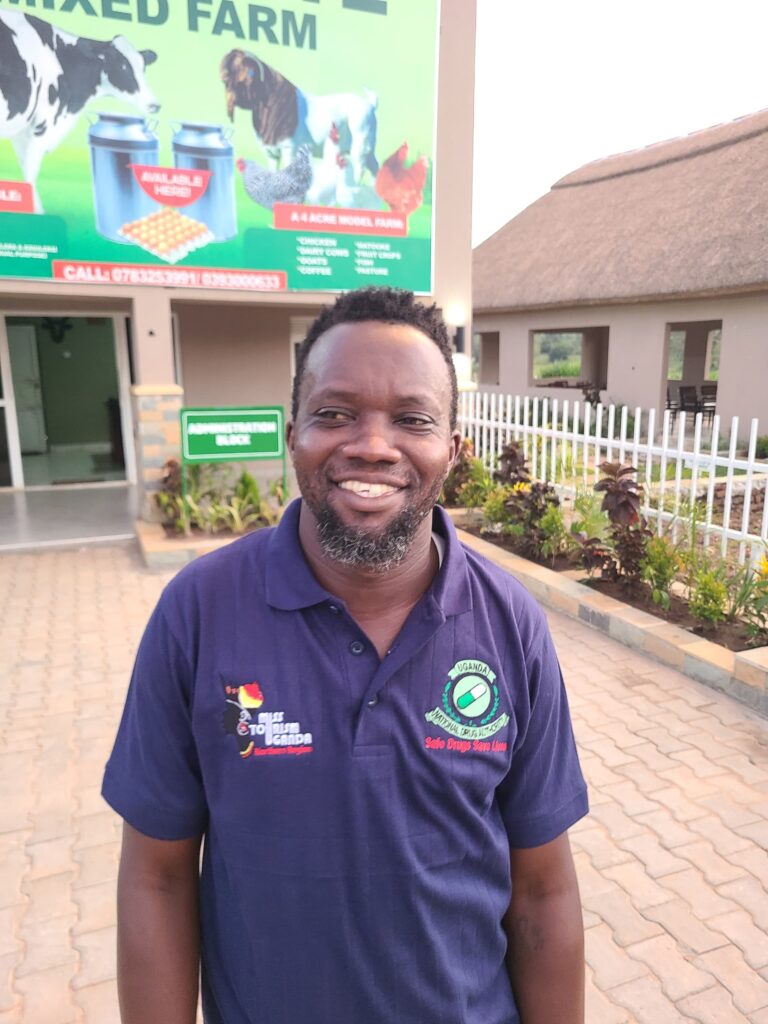
“Some people look at pageantry as something that spoils young girls,” Mr Olal Jimmy Winter reflected. “But with Miss Tourism Uganda, we are here to empower the girl child by pushing them to learn ‘ground jobs’ and sustainable development beyond the runway.”
The contestants, moved by the farm’s high level of productivity, observed that agricultural self-reliance is a critical pathway to regional resilience. One of the contestants, Melissa, shared her reflections from the experience:
“What I learned from our visit is that we can eradicate poverty in Northern Uganda and among our people through farming as our backbone,” she said confidently. “A major takeaway is that you do not need to start big. One chicken at home is enough to begin farming and earning income.”
Inspired by City Gate’s integrated model, she announced plans to expand her own goat-rearing project, committing to construct eco-friendly housing structures and adopt sustainable agricultural practices to protect the environment.
As the day concluded, the overarching message from hosts, organisers, and youth ambassadors was clear: Northern Uganda must transition from subsistence farming to commercial, smart agribusiness.
For years, regions such as Lango Sub-region have imported poultry and dairy products from other parts of the country, despite having fertile land capable of supplying national demand.
Mr Pius Olam left aspiring farmers with a key message on success in agriculture: patience and consistent presence.
“A successful farmer should never be in a rush; a farm is never built in one day,” Mr Olam said. “The animals you keep must be happy. And how do you make them happy? You make them happy by putting your own footprints on that farm. You must step into that farm almost every single day,” he noted.
With youth stepping forward to champion agriculture and visionaries like Mr Olam leading by example, Northern Uganda’s four-acre model may offer a pathway towards poverty reduction and greater regional self-reliance.