
 QFM
QFM
QFM
QFM
28 July 2026, 5:53 pm
Voting was slow at several polling stations, partly due to the late arrival of voters, which forced election officials to repeatedly read out the voters’ register to identify eligible voters.
Some residents also mistakenly believed that living in a village or possessing a National Identification Card automatically qualified them to vote. However, only individuals who registered during the Electoral Commission’s village register compilation exercise conducted between 6 and 10 July 2026 were eligible.
Although the Electoral Commission’s voter education efforts for the election were commendable, more emphasis should be placed on public awareness about the compilation of village election registers in future.
Some polling stations reported missing or unavailable voters’ registers, which prevented eligible citizens from participating in the elections.
Where voters’ registers are missing, tampered with or unavailable, the Electoral Commission should promptly organise fresh polling to protect citizens’ right to vote and maintain confidence in the electoral process.
Kaheru noted that some candidates relied on vigilante groups, commonly known as egaali, to mobilise supporters. In some areas, the groups reportedly intimidated voters and created an atmosphere of fear.
Candidates should avoid involving vigilante groups in electoral activities. Security agencies should take firm action against intimidation to ensure voters participate freely and without fear.
Kaheru said voting by lining up remains a transparent method for community-level elections, as voters can directly witness the outcome, reducing disputes over counting.
He noted that the system eliminates challenges such as ballot stuffing, missing ballot papers, spoiled votes and lengthy tallying processes. It is also cost-effective, requiring fewer election materials while promoting openness and public confidence.
While there have been calls to reform the lining-up voting method, Kaheru said it remains suitable for village-level elections because it is simple, transparent, affordable and easily understood by communities.
He added that any future reforms should maintain these strengths while introducing safeguards to protect voter choice and minimise the risk of intimidation.
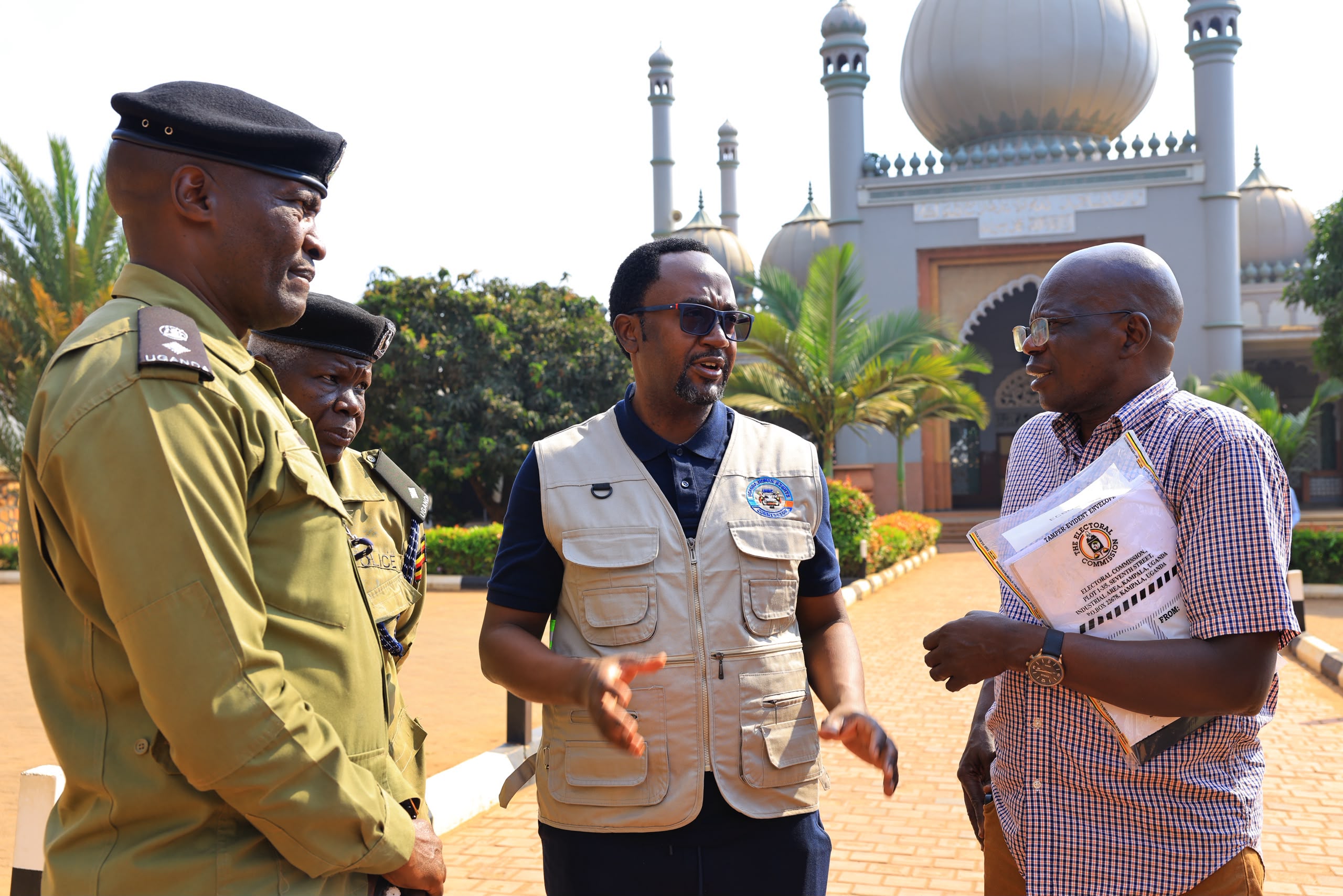
Crispin Kaheru
Uganda Human Rights Commission (UHRC)