
 QFM
QFM
QFM
QFM
9 September 2026, 10:26 am
By Frank Oyugi
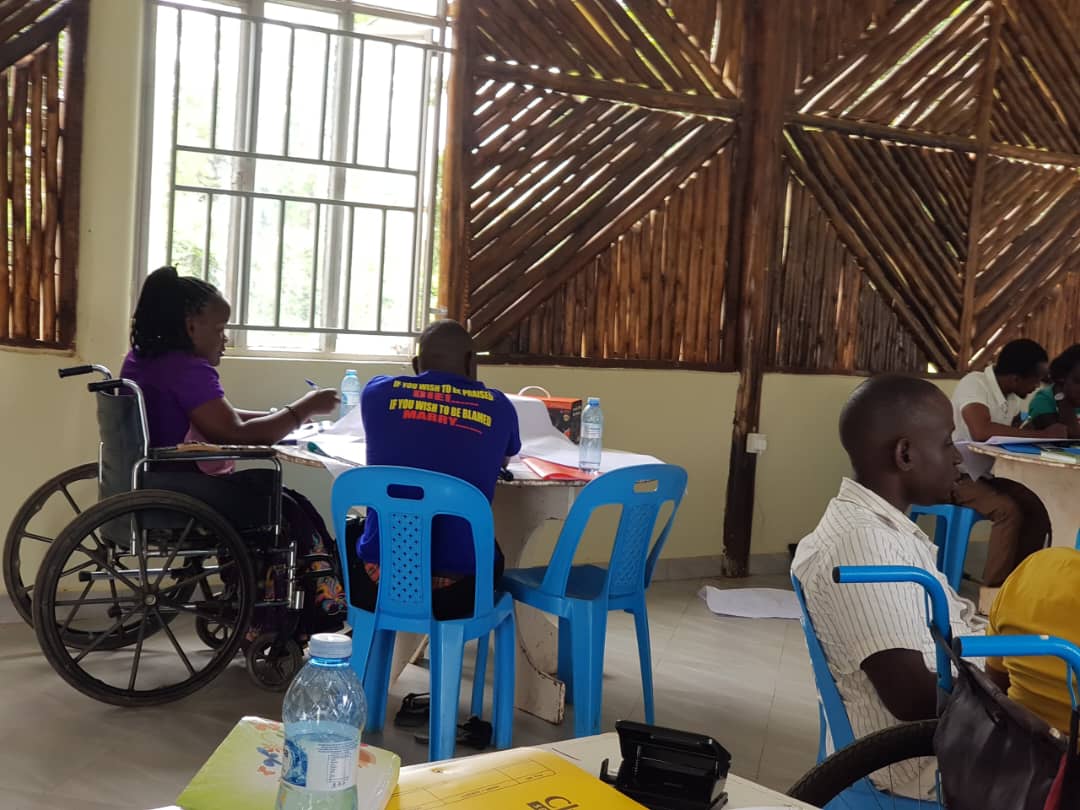
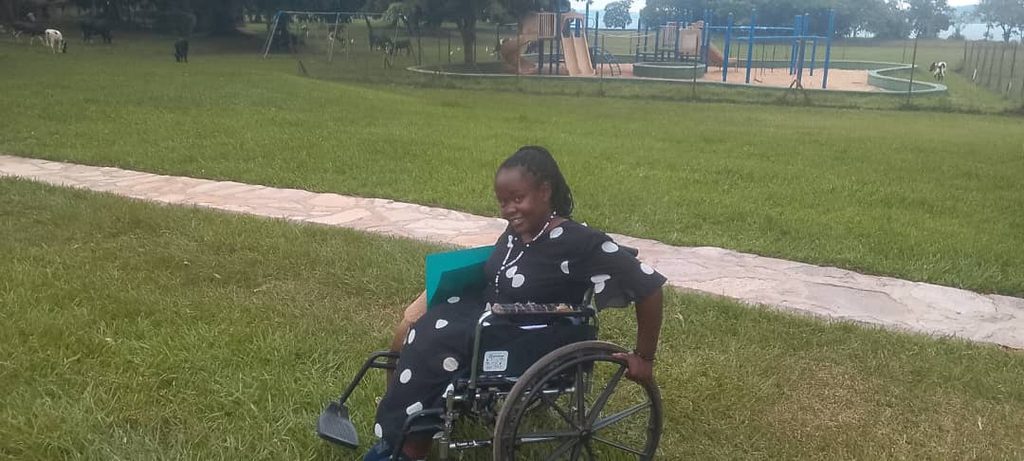
Born with spina bifida, Anna Abonyo from Lira City in northern Uganda has refused to let physical limitations dictate the scope of her life or leadership. As the National Chairperson of the Youth Advisory Committee for Youth with Spina Bifida and Hydrocephalus, Abonyo represents a growing movement of young leaders driving systemic change across the region.
Spina bifida and hydrocephalus are congenital conditions affecting the development of the neural tube and structures of the spine and brain. They often require corrective surgery, long-term medical management and lifelong physical adaptations. However, as Abonyo points out, the medical conditions themselves are only part of the story.
While physical obstacles such as inaccessible infrastructure and ongoing medical needs present daily challenges, the most severe barriers are often societal. Negative attitudes, pity and discrimination can present greater obstacles than physical impairments. Persistent social stigma and isolation can erode self-esteem, creating psychological wounds that may outlast physical discomfort.
Furthermore, while early corrective surgery and specialised medical support remain critical for infants born with neural tube conditions, access to these services remains uneven across communities.
Abonyo’s message to young people living with disabilities is clear: disability is a stepping stone, not a barrier. Physical differences do not diminish leadership capacity, intellectual contribution or the fundamental right to full social inclusion.
To dismantle these barriers, collective advocacy must address both practical healthcare needs and broader societal attitudes. Expanding access to early corrective surgery and rehabilitation services for children born with spina bifida and hydrocephalus is essential.
Equally critical is challenging misconceptions about congenital conditions to foster inclusive and supportive environments, while supporting leadership platforms that enable young people with disabilities to advocate for their rights. Change requires well-wishers, community leaders and advocates to step forward—not out of pity, but out of a shared commitment to dignity, equity and human rights.