
 QFM
QFM
22 October 2026, 7:24 am
By Regina Lalam Olal
Kampala, Uganda — The Ministry of Water and Environment has revealed significant staffing and funding challenges that are undermining its capacity to protect Uganda’s wetlands, riverbanks, lakeshores and central forest reserves — ecosystems critical to the fight against climate change.
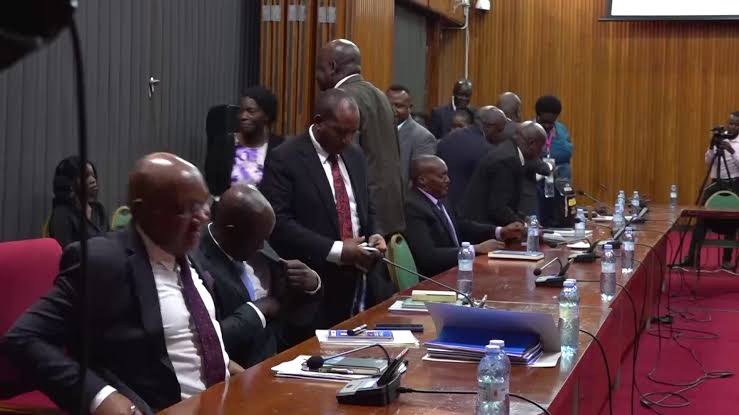
The concerns emerged on Wednesday, 21 October 2026, when ministry officials appeared before Parliament’s Public Accounts Committee (Central Government) to respond to questions about the ministry’s operations and performance.
The ministry’s Permanent Secretary, Dr Alfred Okot Okidi, told the committee that Uganda needs more than 1,500 environmental rangers to strengthen the protection of natural resources and improve enforcement against environmental degradation.
Currently, the ministry relies on only 238 police officers to conduct patrols, leaving a significant enforcement gap that allows encroachment, deforestation and wetland degradation to continue.
Okidi disclosed that the crisis extends to other critical departments directly involved in climate action.
The climate change department is operating at less than 30 per cent capacity, while the forestry department has staffing levels estimated at between 35 and 40 per cent.
The revelation raises concerns because the climate change department plays a central role in implementing Uganda’s climate adaptation and mitigation strategies, including meeting commitments under the Paris Agreement and the country’s Nationally Determined Contributions (NDCs).
The Permanent Secretary also identified inadequate funding as a major obstacle. He explained that the ministry receives no more than 40 per cent of the resources required to implement its strategic plan, the Fourth National Development Plan (NDP IV) and the government manifesto.
The funding shortfall is directly affecting the implementation of planned programmes, including environmental protection, forest management and climate change interventions such as wetland restoration, afforestation and community resilience projects.
He further cited difficulties in acquiring land and the growing impacts of climate change itself as additional challenges.
Wetlands, forests, riverbanks and lakeshores serve as natural climate buffers in Uganda. They act as carbon sinks, regulate rainfall, control flooding, filter water, support biodiversity and sustain the livelihoods of millions of people who depend on agriculture.
When these ecosystems are degraded because of weak enforcement and inadequate staffing:
With only 238 officers conducting patrols across the country and the climate change department operating at less than 30 per cent capacity, the ministry’s ability to enforce environmental laws and implement climate adaptation measures is severely constrained.
The meeting was chaired by Hon. Patrick Oshabe, who led the committee’s engagement with ministry officials.
The committee’s scrutiny comes amid growing national concern about environmental degradation, rising temperatures, unpredictable rainfall patterns and increased encroachment on fragile ecosystems.
The ministry’s appearance before the committee forms part of Parliament’s oversight role in examining public sector performance and ensuring that government resources are used effectively to deliver services and meet national development priorities.
As Uganda faces escalating climate change impacts, the shortage of environmental personnel and inadequate funding highlight the urgent need for increased staffing, higher budget allocations and stronger enforcement mechanisms to safeguard the country’s natural resources and climate future.