
 QFM
QFM
QFM
QFM
8 October 2026, 3:25 pm

By Frank Oyugi
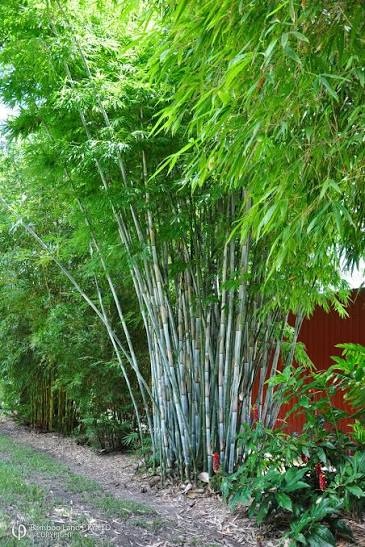
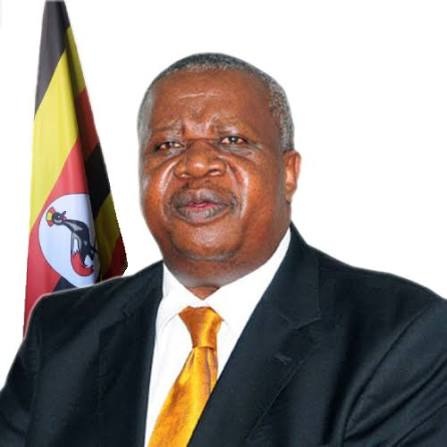
KAMPALA, UGANDA — The Minister for Water and Environment, Maj. Gen. Kahinda Otafiire, has announced plans for an aggressive bamboo-planting initiative across Karamoja to combat severe soil erosion, drought, and recurrent famine in the semi-arid sub-region. Speaking on the floor of Parliament, Otafiire criticized past government interventions for lacking long-term commitment and proactive execution, calling for a fundamental shift in national water and environmental policy.
Otafiire revealed that the ministry intends to plant bamboo horizontally along the steep hillsides of Karamoja to form natural terraces—mirroring the soil conservation model of the Kigezi highlands. The strategy leverages bamboo’s extensive root systems to anchor topsoil, stabilize riverbanks, trap surface runoff, and slow the heavy silting of downstream water channels. Beyond ecological protection, the minister disclosed that the government is exploring the production of biodegradable plastics from bamboo fibers as an eco-friendly alternative to synthetic petroleum-based plastics.
The proposed re-greening campaign comes alongside a broader push to overhaul the country’s water infrastructure, which Otafiire argued relies too heavily on unsustainable short-term fixes. He specifically targeted the practice of desilting old valley dams, describing it as wasteful and ineffective.
“Desilting dams is twice as expensive as building new ones,” Otafiire told lawmakers, explaining that heavy machinery routinely sinks into the wet silt and that structural water losses persist even during severe dry spells.
Instead, the minister advocated for constructing new, modern valley dams combined with large-scale bulk water transfer systems. He highlighted the stark irony of widespread hunger and water scarcity in Karamoja despite its proximity to major freshwater bodies like Lake Kyoga, Lake Bisina, and the River Nile. Under the ministry’s proposed long-term vision, water would be pumped directly from these abundant catchment areas and piped into dry, drought-prone zones across Karamoja, Lango, Acholi, Teso, and the broader cattle corridor extending down to Southwestern Uganda.
By pairing modern irrigation and bulk water transport with horizontal bamboo terracing, the ministry aims to establish a permanent defense against climate shocks and safeguard agricultural livelihoods across Uganda’s driest regions.
For more context on environmental and climate action discussions in Uganda, you can watch Otafiire Challenges Africa to Take Lead in Climate Action, which highlights Minister Kahinda Otafiire addressing broader climate resilience and resource management strategies.