
 QFM
QFM
QFM
QFM
22 September 2026, 12:15 pm
By Frank Oyugi
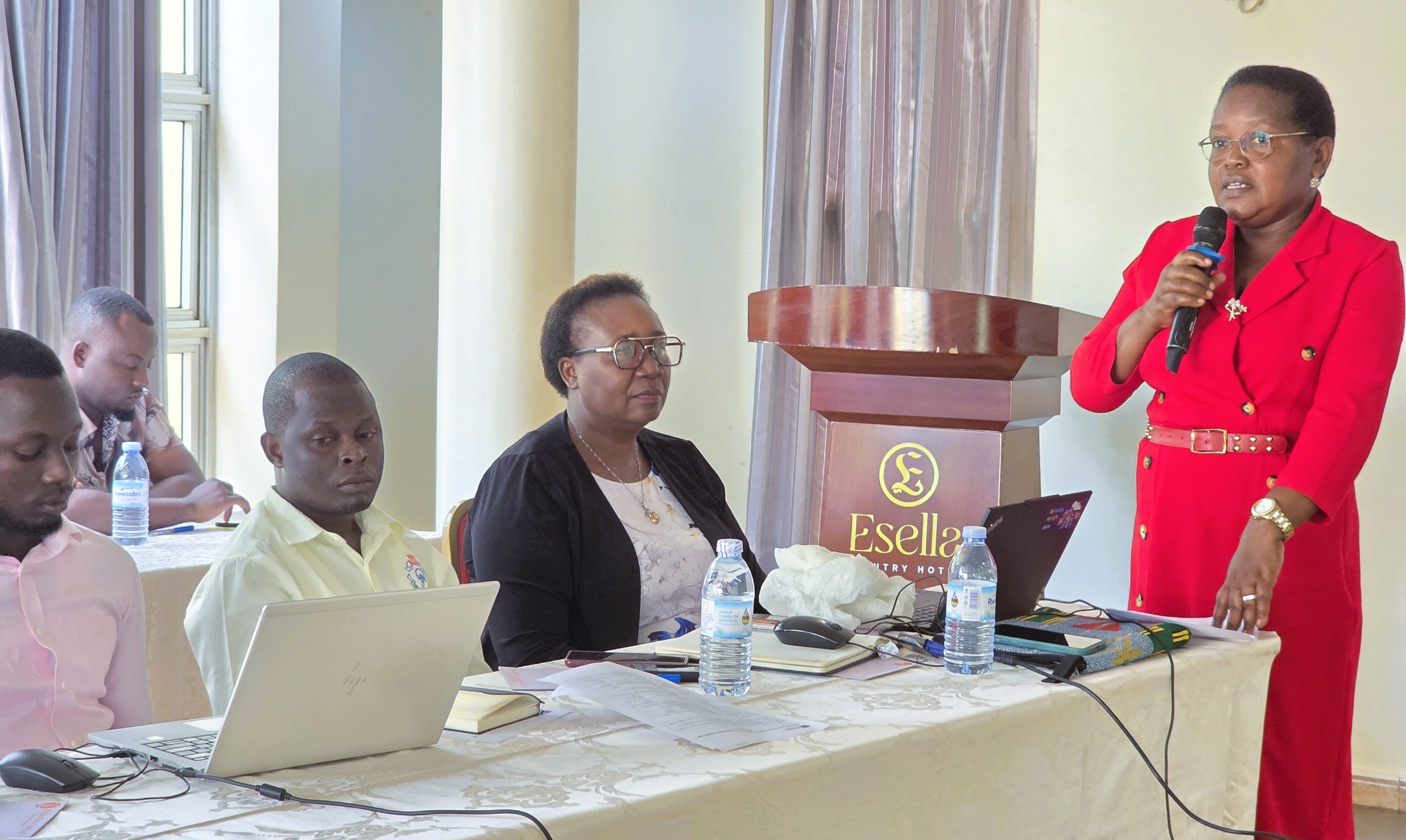
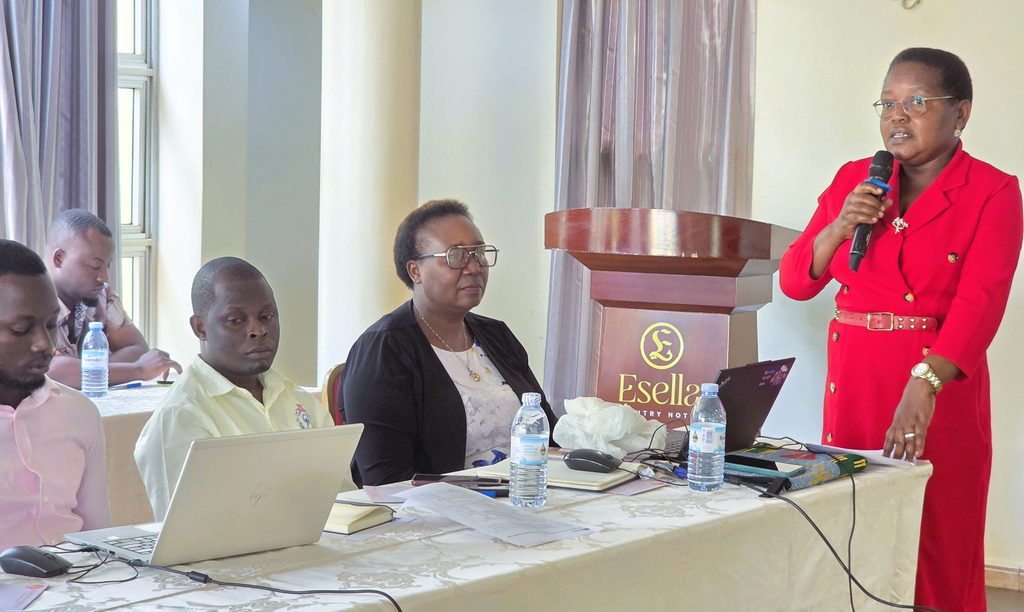
Kampala: To bridge persistent information gaps in rural and underserved areas, the Ministry of Education and Sports, in collaboration with UNESCO and the Ministry of Health, has convened a three-day capacity-building workshop at Esella Country Hotel in Kampala.
The intervention brings together broadcast journalists, station managers and youth leaders to equip selected community radio stations across Uganda with the tools to produce and broadcast accurate, age-appropriate content on health and life skills for young people.
Speaking at the opening of the workshop, Sarah Bugosi Chiboli, Commissioner for Education Technical Support Services at the Ministry of Education and Sports, highlighted the crucial role community media plays in reaching adolescents who are often left behind by digital and mainstream platforms.
Out of 21 applicant stations, 10 community radio stations were selected to participate in the intensive training initiative. The programme brings together station managers, producers, journalists, presenters, UNESCO representatives and youth leaders.
“Adolescents and young people, particularly those in rural and underserved areas, continue to face barriers in accessing accurate, age-appropriate and culturally relevant information on health and well-being,” Chiboli said. “Out-of-school youth and persons with disabilities are often excluded from mainstream education and digital platforms.”
Chiboli expressed concern over the rising influence of unverified content on social media platforms such as TikTok, where misleading information spreads rapidly among young audiences.
She urged media practitioners to use their platforms to demystify complex health issues and present constructive, accurate messaging to guide young people towards informed decisions.
Addressing the journalists in attendance, Chiboli encouraged a shift towards balanced and solution-oriented reporting.
“We need to begin with the constructive developments, explain them thoroughly and provide a complete picture,” she added, emphasising that accurate reporting builds public trust and supports national development, given Uganda’s predominantly young population.
David Twebaze, representing the Uganda National Commission for UNESCO (UNATCOM), outlined the vital link between government bodies and international agencies in driving these local initiatives.
He noted that UNATCOM, established in 1963, serves as a permanent bridge between the Ugandan Government and UNESCO.
“We are a bridge — we link UNESCO to the government and the government to UNESCO,” Twebaze said.
He emphasised that UNESCO is the lead global agency driving Sustainable Development Goal 4 (SDG 4) under the Education 2030 Agenda to achieve quality education.
By building the capacity of local radio stations, the initiative aims to ensure that grassroots communities receive accurate, well-structured information to navigate both personal health and overall well-being.