
 QFM
QFM
QFM
QFM
7 August 2026, 3:28 pm
By Frank Oyugi
Hoima/Buliisa — Chief Justice Dr Flavian Zeija has called on Ugandan judicial officers to adopt a “development-oriented mindset” when adjudicating disputes in the country’s strategic infrastructure and energy sectors, warning that indiscriminate court injunctions could stall multi-billion-dollar national investments.
Speaking to senior judges and legal officers during a five-day judicial field tour of oil developments in the Albertine Graben, Dr Zeija emphasised that judicial officers must thoroughly understand the practical and technical realities of the petroleum industry to deliver fair and effective justice.
“How do you adjudicate a dispute when you don’t even know what ‘first oil’ means or where an oil well is?” Chief Justice Zeija asked. “You cannot be a judiciary that thinks it is going to prevent development. Sitting on your desk and issuing an injunction against a project of this magnitude is equivalent to treason. We are training judges to ensure we have a development mind — can the judiciary be an aid to development rather than stifling it?”
To streamline the resolution of complex legal disputes without disrupting national development timelines, the Chief Justice announced plans to establish a dedicated Environment and Infrastructure Division within the High Court. He added that specialised capacity-building programmes for judges would continue in partnership with key industry stakeholders as Uganda moves closer to its first oil production.
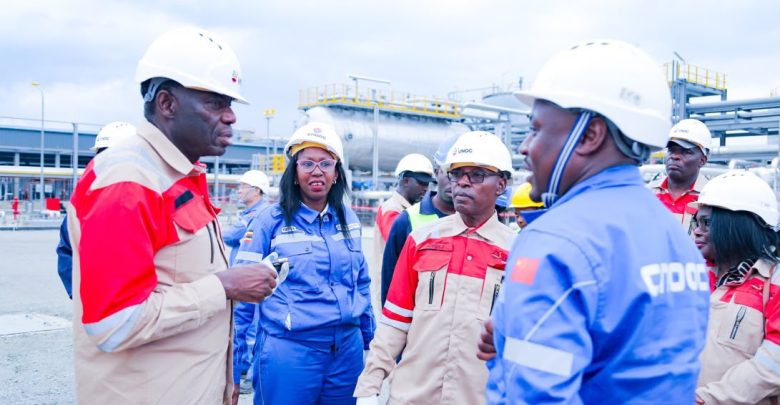
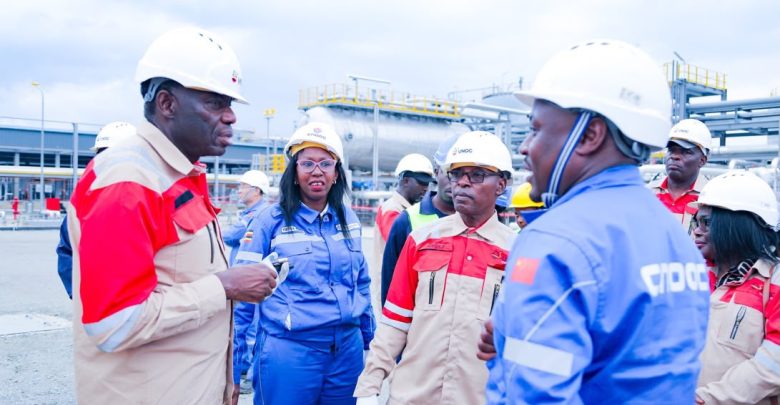
During the tour of TotalEnergies’ Tilenga project area in Buliisa District, the judicial delegation inspected resettlement housing built for Project Affected Persons (PAPs).
According to project field representatives, 235 custom-built replacement homes, ranging from two to four bedrooms depending on family size and the previous housing structures, have been provided to local residents. The fully titled properties include solar power systems, water-harvesting tanks and improved sanitation facilities.
The high-level tour, jointly organised by the Judicial Training Institute (JTI), Petroleum Authority of Uganda (PAU), Uganda Revenue Authority (URA) and Uganda National Oil Company (UNOC), offered judges firsthand exposure to well pads, Central Processing Facilities (CPFs), waste management sites and environmental management programmes across the Albertine region.
Meanwhile, the Governor of the Bank of Uganda, Dr Michael Atingi-Ego, said the visit was pivotal, adding that the oil sector is crucial to Uganda’s macroeconomic stability.
“Beyond creating local jobs and strengthening our balance of payments through foreign exchange inflows, the oil sector is projected to contribute UGX 1.4 trillion to this financial year’s national budget alone,” Atingi-Ego said.